Loading…
Back to Compound Explorer
Quercetin
Clinical trialMechanism of Action
Broad anti-inflammatory flavonoid; inhibits mast cell degranulation and supports mucosal healing
Antioxidant with anti-inflammatory and antispasmodic bronchial effects; inhibits mast cell histamine release; provides mild bronchodilatory activity relevant to antitussive use.
Inhibits phosphodiesterase (PDE) and 5-lipoxygenase, stabilizes mast cells to reduce histamine release, and inhibits xanthine oxidase — the enzyme responsible for uric acid production. Modulates MAPK and PI3K/Akt signaling cascades to reduce inflammatory cytokine transcription.
Anti-inflammatory and antioxidant flavonoid supporting anti-inflammatory clinical activity; adds mild diuretic properties
α-Glucosidase inhibition (IC50 ~8.5 μg/mL) contributing to postprandial glucose reduction; PPAR-γ agonism improving insulin sensitivity and adiponectin secretion; HMG-CoA reductase inhibition contributing to cholesterol-lowering; eNOS upregulation producing antihypertensive effect; antioxidant protection of pancreatic β-cells from oxidative damage in hyperglycemic conditions.
Antioxidant and anti-inflammatory; cardiovascular protective through endothelial function improvement
Antioxidant and antihistamine flavonol contributing to mucosal anti-inflammatory and UVB-protective activity
Antioxidant and anti-inflammatory; inhibits pro-inflammatory mediators relevant to urinary tract inflammation
Broad anti-inflammatory activity through inhibition of NF-κB and cyclooxygenase pathways
Quercetin inhibits ACE (angiotensin-converting enzyme) activity, reducing conversion of angiotensin I to the vasoconstrictive angiotensin II, contributing to linden's mild antihypertensive effects. It suppresses NF-κB-mediated inflammatory cytokine production, modulates mast cell degranulation, and inhibits both COX and LOX enzymes. In neuronal tissue, quercetin inhibits monoamine oxidase and modulates GABA receptor activity, contributing to the overall anxiolytic profile of linden flower.
Inhibits COX-1/COX-2 and 5-LOX enzymes; suppresses histamine release from mast cells; acts as a direct free radical scavenger; modulates GLUT4 translocation in skeletal muscle cells, enhancing insulin-independent glucose uptake.
Anti-inflammatory flavonoid with antioxidant and capillary-stabilising properties; inhibits NF-κB signalling
Inhibits NF-kB signaling and COX-2 expression, reducing prostaglandin E2 synthesis. Scavenges reactive oxygen species and chelates transition metal ions. Inhibits mast cell degranulation and histamine release.
Anti-inflammatory and antioxidant flavonoid
Inhibits histamine release from mast cells, downregulates COX-2 and LOX inflammatory enzymes, and scavenges reactive oxygen species; bioavailability is enhanced by co-consumption with vitamin C-rich foods.
Anti-inflammatory and antispasmodic flavonol; contributes to the antispasmodic action on smooth muscle relevant to PMS use
Broad-spectrum antioxidant and anti-inflammatory compound contributing to respiratory and cardiovascular protective effects; inhibits COX-2 and NF-κB pathways
Broad-spectrum anti-inflammatory, antioxidant, and antidiabetic flavonoid contributing to hepatoprotective activity
Research Notes
AmaranthWestern
Extensively studied flavonoid with strong evidence for anti-inflammatory and antihistaminic activity.
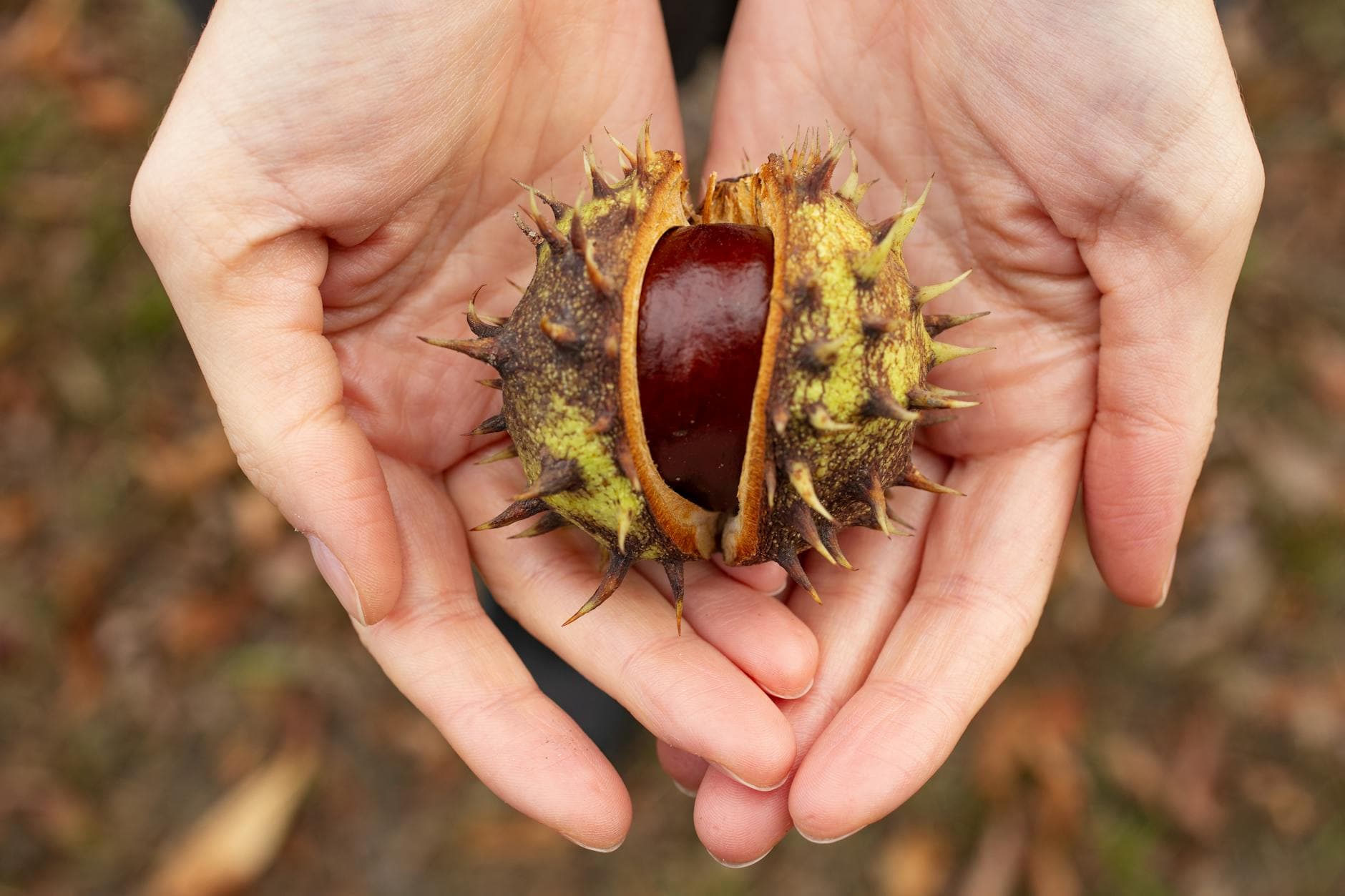
American ChestnutWestern
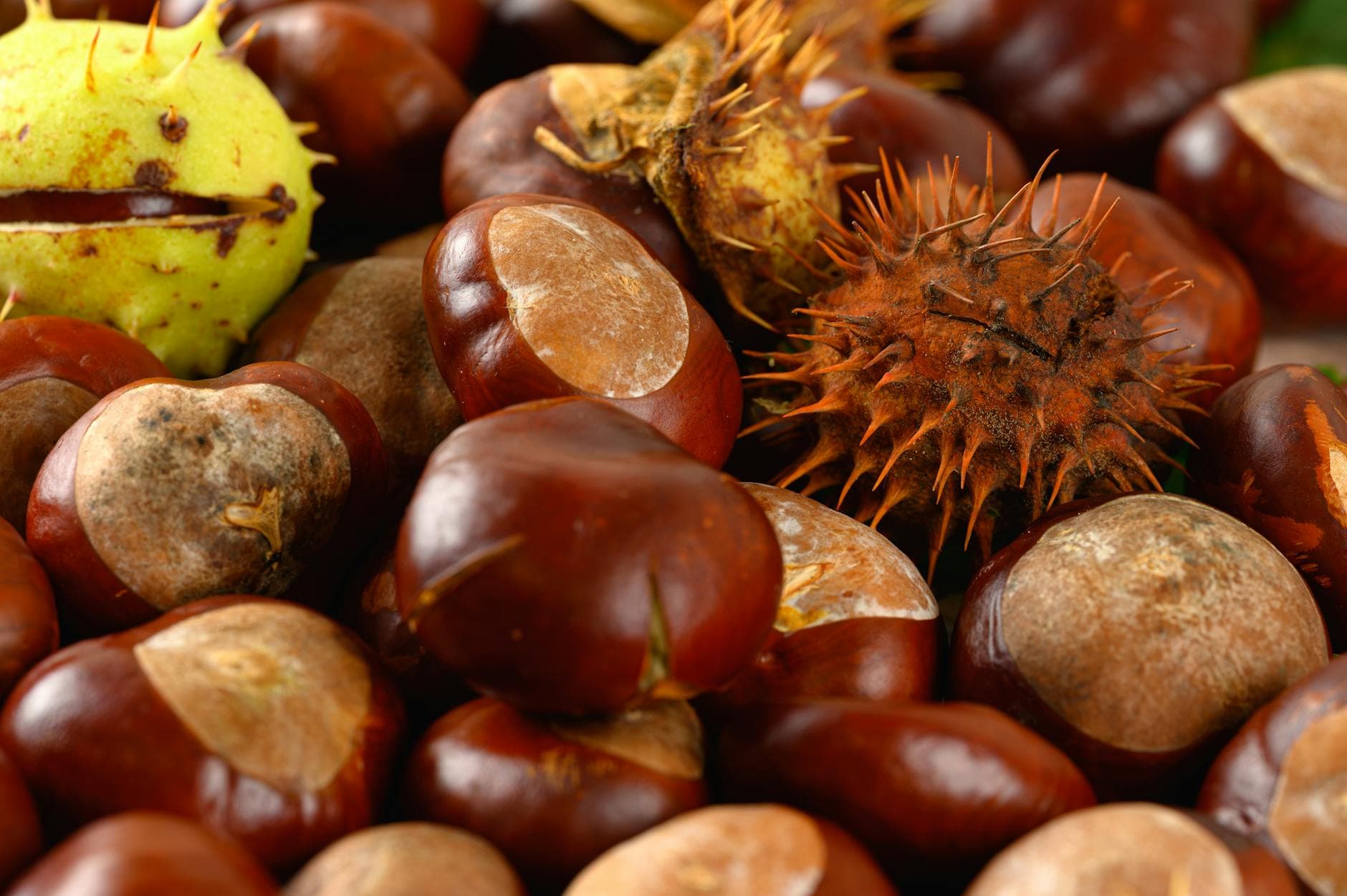
Quercetin is extensively studied across multiple plant sources with demonstrated anti-inflammatory, antioxidant, and mast cell-stabilising activity in vitro and in animal models. Its contribution to American chestnut's therapeutic profile has not been isolated in clinical trials.
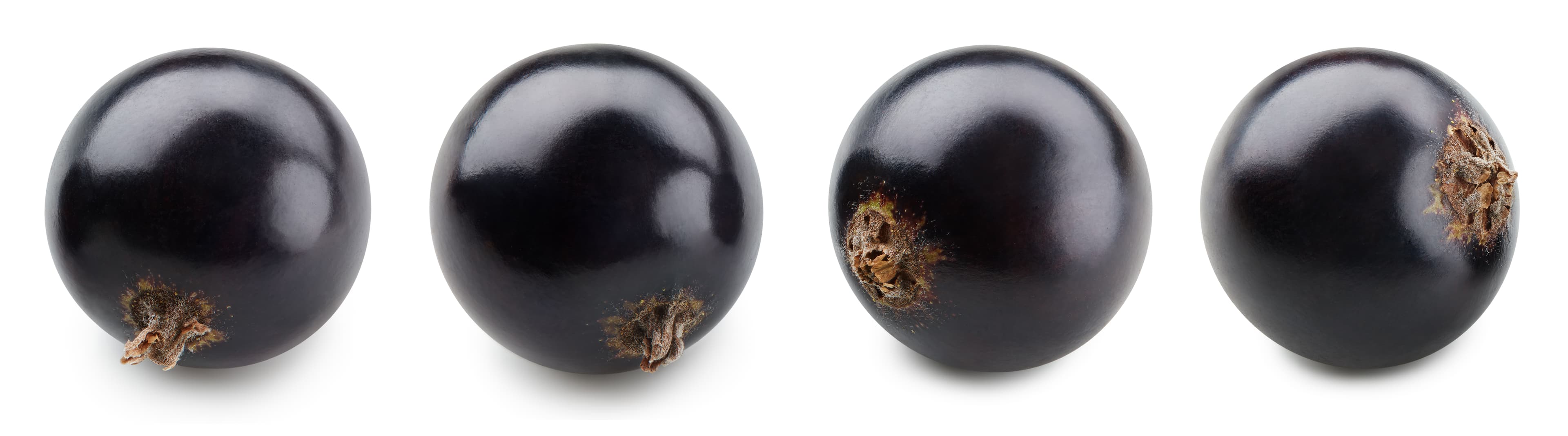
BlackcurrantWestern
Quercetin from blackcurrant leaves has been studied in the context of allergy modulation and anti-gout activity. Clinical evidence for quercetin specifically from blackcurrant sources is limited; most trials use isolated or synthetic quercetin. Preclinical data strongly supports anti-inflammatory and mast cell-stabilizing activity consistent with traditional anti-allergic and anti-rheumatic uses of the leaf.
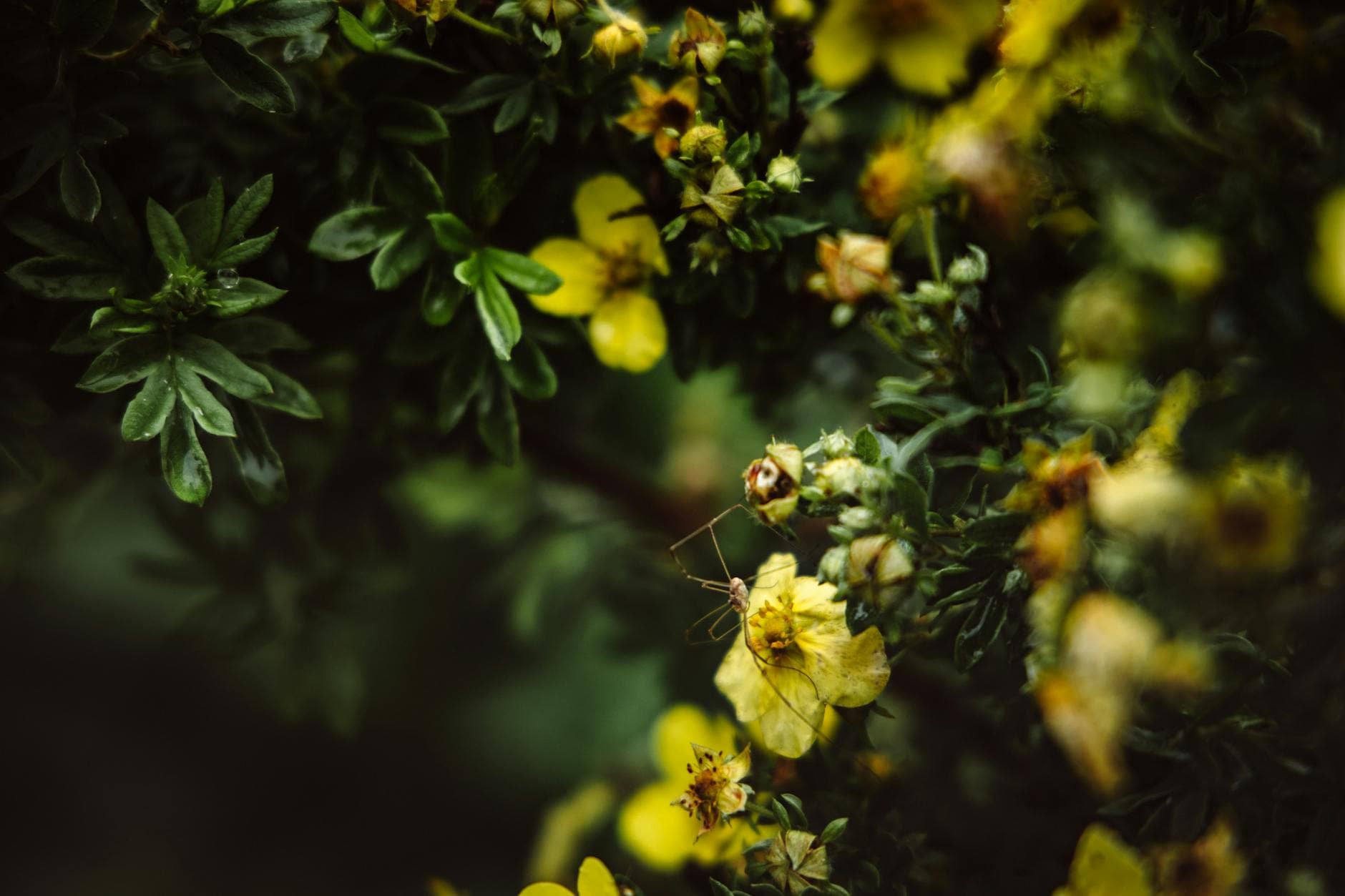
CinquefoilWestern
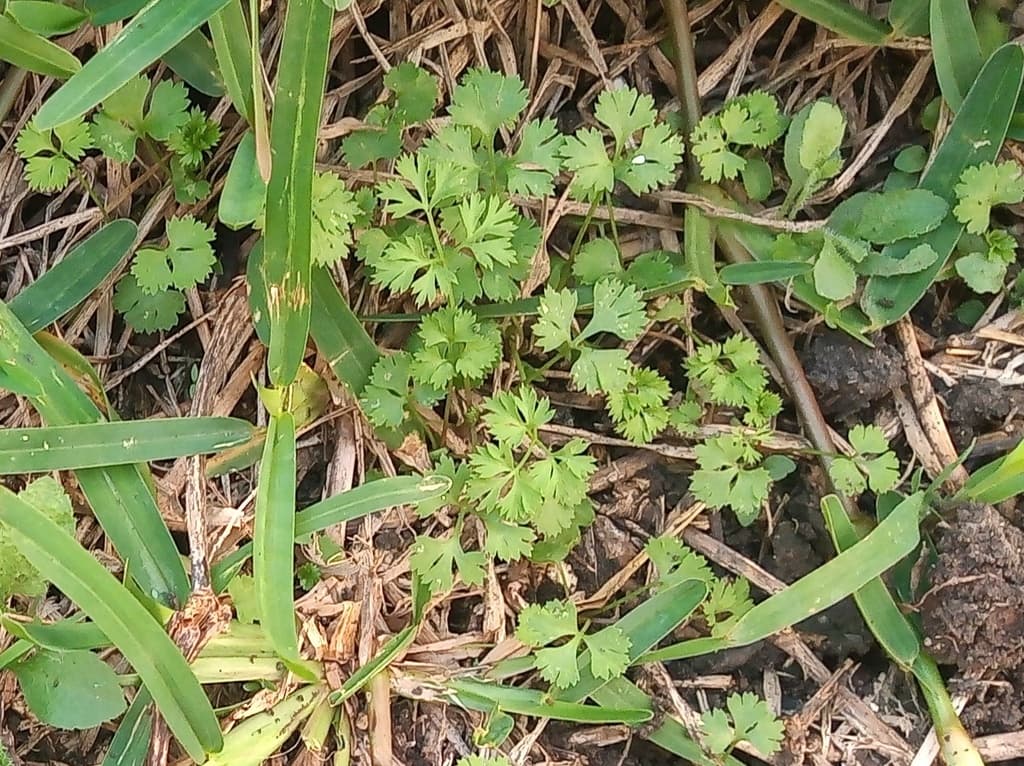
Extensively studied flavonoid with well-documented anti-inflammatory and antioxidant activity. Contribution to Potentilla species activity consistent with traditional use.
Coriander SeedWestern
Quercetin's antidiabetic mechanisms are among the most extensively validated of any phytochemical. Multiple animal studies confirm blood glucose reduction comparable to metformin at 50 mg/kg doses. A 2016 meta-analysis of clinical trials demonstrated significant fasting glucose reduction. HMG-CoA reductase inhibition confirmed in vitro with IC50 comparable to low-potency statins. The coriander clinical trials showing lipid and glucose improvement are consistent with quercetin's known activity profile.
CranberryWestern
Cranberry-derived quercetin contributes to cardiovascular benefits including improved endothelial function, reduced LDL oxidation, and modest blood pressure reduction.
EyebrightWestern
Quercetin is one of the best-studied dietary flavonoids with established antioxidant, anti-inflammatory, and antihistamine properties. UVB-protective effects demonstrated in corneal cell models.
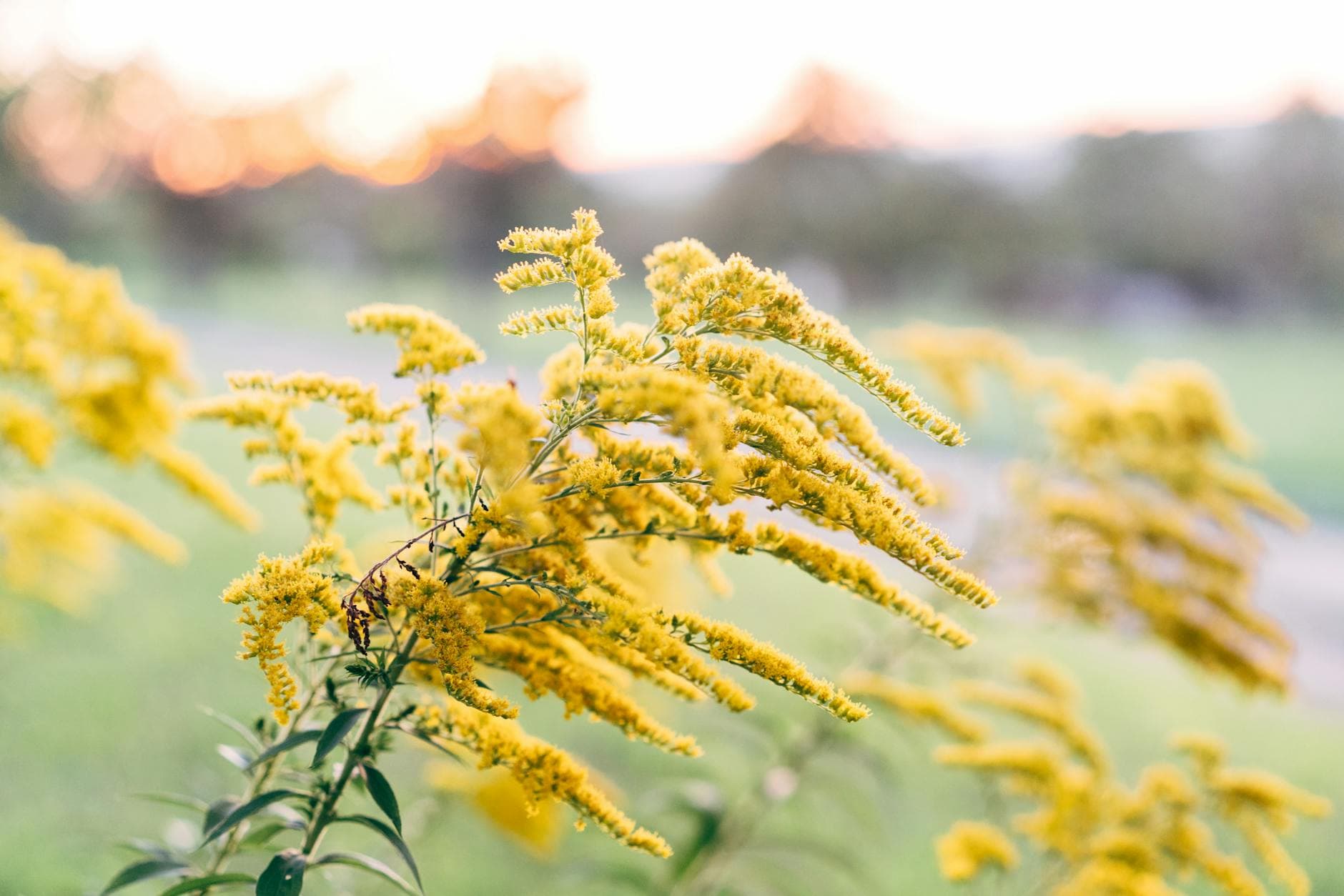
GoldenrodWestern
Quercetin is one of the best-studied dietary flavonoids with established antioxidant and anti-inflammatory properties. Inhibits COX and LOX pathways.
Hedge MustardWestern
Extensively studied flavonoid with strong anti-inflammatory and antioxidant activity in preclinical and clinical contexts.
Linden / Lime BlossomWestern
ACE inhibitory activity of quercetin and related flavonols is well documented in biochemical assays and animal hypertension models. Meta-analyses of quercetin supplementation trials show modest but statistically significant blood pressure reductions in hypertensive subjects (mean reduction approximately 3–5 mmHg systolic). Anti-inflammatory and antioxidant properties are among the most extensively characterised of any plant flavonoid. Quercetin content of linden flower tea has been quantified by HPLC in multiple studies confirming physiologically relevant concentrations in standard infusions.
MoringaAfrican
One of the most extensively studied plant polyphenols. Evidence from systematic reviews supports anti-inflammatory and antioxidant activity. Moringa leaves provide meaningful quercetin content (100–200 mg/100 g dried leaf); bioavailability enhanced by fat-containing meals or co-administration with bromelain.
OakWestern
Extensively studied flavonoid with strong anti-inflammatory and antioxidant activity in clinical and preclinical contexts.
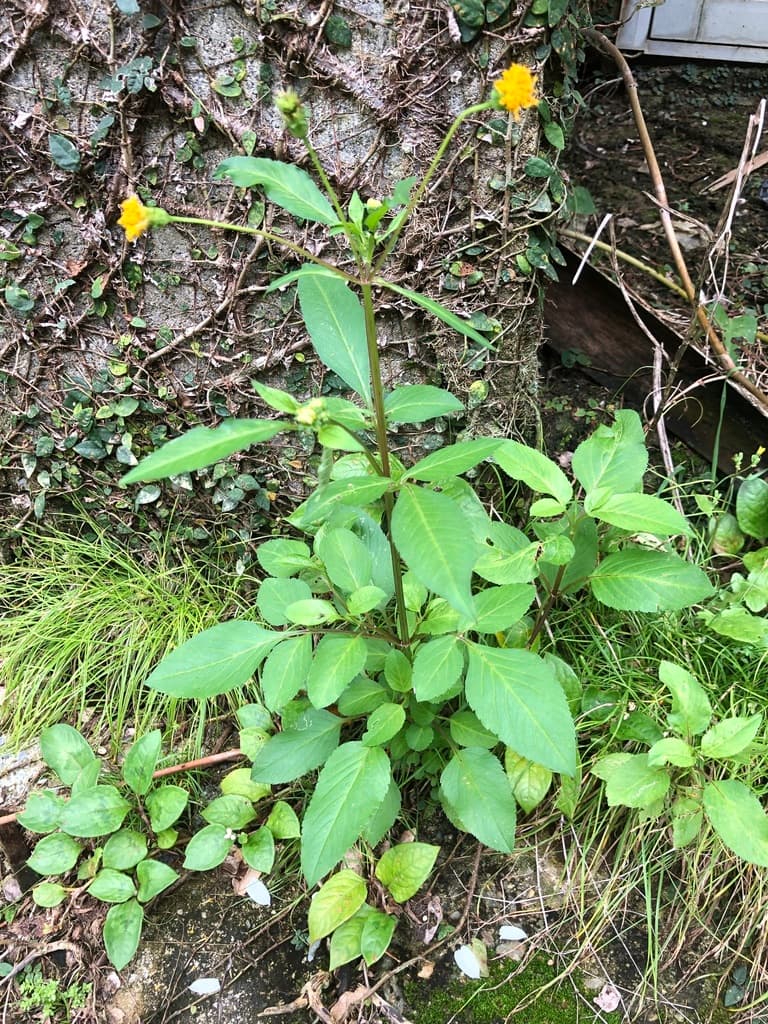
Picão PretoSouth American
Quercetin is one of the most studied flavonoids globally. In the context of B. pilosa, its contribution to the anti-inflammatory and antioxidant activity of the plant extract has been confirmed through bioassay-guided fractionation. Clinical trials of purified quercetin (not B. pilosa-specific) demonstrate anti-inflammatory benefits at doses of 500–1000 mg daily.
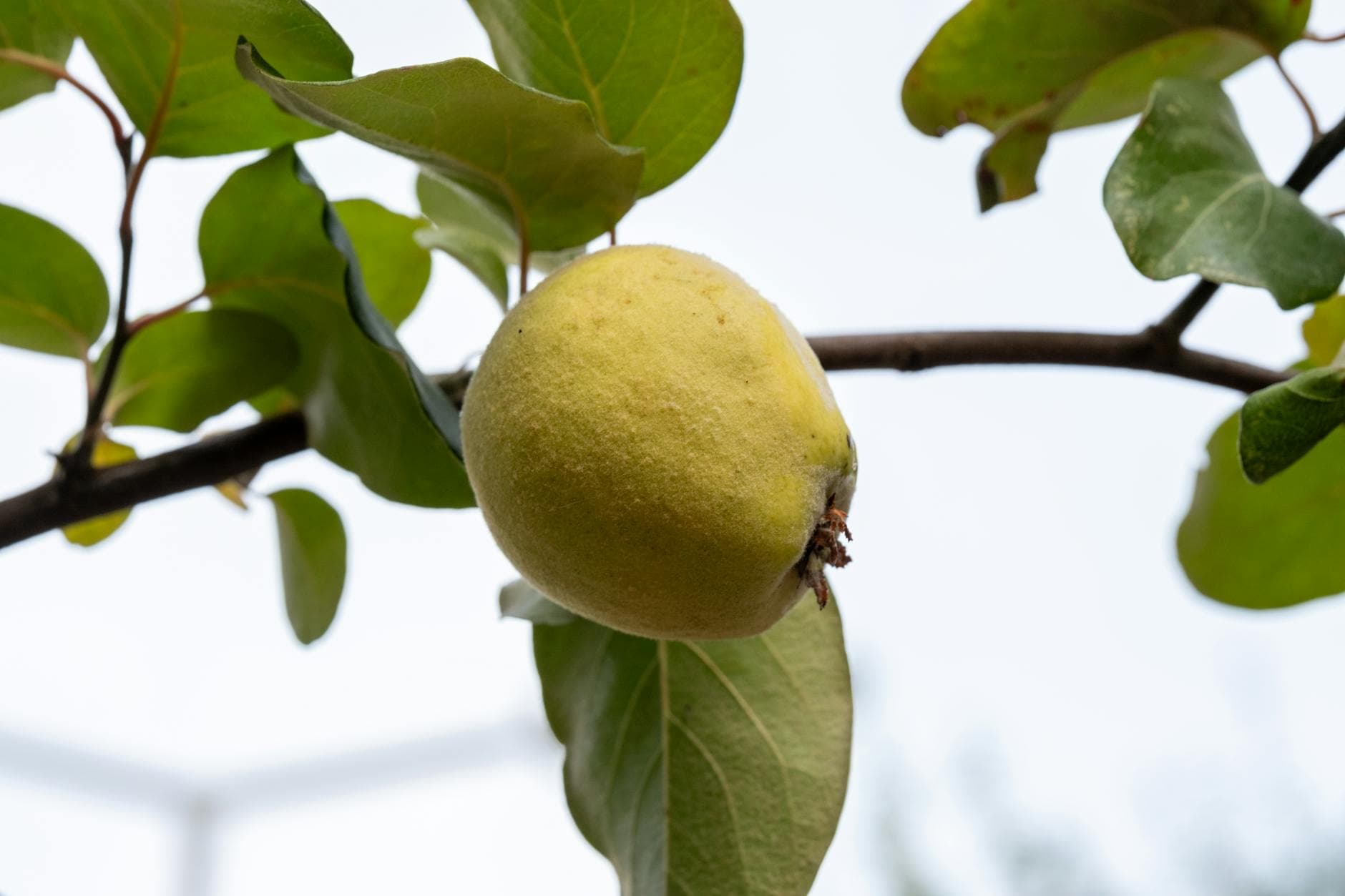
Quince TreeWestern
Contributes to anti-inflammatory and gastroprotective activity.
RooibosAfrican
Quercetin is one of the most studied plant flavonoids with demonstrated anti-allergic, anti-inflammatory, and antiviral properties across numerous clinical trials. Its contribution in rooibos is modest relative to concentrated supplements but meaningful in regular dietary consumption.
SilverweedWestern
Quercetin is one of the best-studied dietary flavonoids with established antioxidant, anti-inflammatory, and antispasmodic properties.
Sweet ChestnutWestern
Among the most extensively studied dietary flavonoids. Anti-inflammatory, antioxidant, and cardiovascular protective activity documented across numerous in vitro, animal, and clinical studies.
TamariskWestern
Quercetin is one of the best-studied dietary flavonoids with established antioxidant, anti-inflammatory, and preliminary antidiabetic properties.
Found In 18 Herbs
Amaranth
WesternAmerican Chestnut
WesternBlackcurrant
WesternCinquefoil
WesternCoriander Seed
WesternCranberry
WesternEyebright
WesternGoldenrod
WesternHedge Mustard
WesternLinden / Lime Blossom
WesternMoringa
AfricanOak
WesternPicão Preto
South AmericanQuince Tree
WesternRooibos
AfricanSilverweed
WesternSweet Chestnut
WesternTamarisk
Western3D Molecular Structure
Flavonoid
Drag to rotate · Click atoms to explore
Quercetin
FlavonoidPolyphenolic antioxidants protecting cells from oxidative damage
Representative pattern: C₁₅H₁₀O₃
Atoms
Carbon
Oxygen
Related Compounds (Flavonoid)
Anthocyanins (cyanidin-3-glucoside, cyanidin-3-rutinoside)(1)Apigenin(8)Flavonoid glycosides(2)Flavonoids(36)Flavonoids (kaempferol, quercetin)(1)Flavonoids (onopordin, apigenin)(1)Flavonoids (osmundalin)(1)Flavonoids (quercetin, kaempferol, anthocyanins)(1)Flavonoids (quercetin, kaempferol, luteolin)(1)Flavonoids (quercetin, kaempferol)(1)Flavonoids (rutin, hyperoside)(1)Flavonoids (rutin, quercetin)(1)
Live Research
This information is for educational purposes only and does not constitute medical advice. Always consult a qualified healthcare practitioner before using any herbal product.
These statements have not been evaluated by the Food and Drug Administration. This product is not intended to diagnose, treat, cure, or prevent any disease. This content is for educational purposes only and is not a substitute for professional medical advice.