Loading…
Back to Compound Explorer


Flavonoids
In vitro / AnimalMechanism of Action
Antioxidant and anti-inflammatory polyphenols contributing to wound-healing and anti-inflammatory profile
Antioxidant compounds with anti-inflammatory activity supporting wound-healing claims
Antioxidant, anti-inflammatory activity confirmed in recent studies
Antioxidant and anti-inflammatory effects
Antioxidant constituents supporting anti-inflammatory and cardiotonic activity
Mild antioxidant and anti-inflammatory effects on urinary tissues
Provide antioxidant and anti-inflammatory activity synergistic with the saponin fraction
Antioxidant activity
Antioxidant flavones and flavonols contributing to anti-inflammatory activity and skin protective properties
Quercetin and kaempferol derivatives providing secondary antioxidant and anti-inflammatory support
Antioxidant and capillary-protective; anti-inflammatory at mucosal level
Anti-inflammatory and diuretic flavonoid complex; supports uric acid excretion relevant to gout management
Anti-inflammatory and capillary-protective flavonoids supporting mucosal integrity in respiratory applications
Antioxidant and anti-inflammatory; contribute to capillary-protective and cooling effects on inflamed tissues
Broad antioxidant and anti-inflammatory activity; contribute to astringent and wound-healing properties
Primary antioxidant and anti-inflammatory constituents; contribute to mucosal toning in expectorant applications
Antioxidant and anti-inflammatory compounds contributing to anti-hemorrhagic activity
Antioxidant and anti-inflammatory compounds contributing to anti-inflammatory and cooling actions
Antioxidant and anti-inflammatory compounds contributing to respiratory mucosal protection and wound-healing activity
Provide antioxidant and mild anti-inflammatory activity; support vascular tone
Antioxidant activity; support vascular integrity and anti-inflammatory effects
Anti-inflammatory and antioxidant activity; modulate immune response
Support antioxidant and anti-inflammatory activity; complement the volatile oil fraction
Antioxidant activity complementing vitamin C; support vascular integrity
Antioxidant and capillary-stabilizing activity; support vascular integrity and anti-inflammatory effects
Antioxidant and anti-inflammatory; support capillary integrity
Including hyperoside and isorhamnetin; anti-inflammatory and antioxidant activity supporting respiratory mucosal health
Anti-inflammatory and antioxidant activity complementing the carminative essential oil fraction
Including linarin and pectolinarin; antioxidant and mild anti-inflammatory activity
Including quercetin and kaempferol; anti-inflammatory and antioxidant activity supporting mucosal healing
Including rutin and hyperoside; anti-inflammatory, antioxidant, and capillary-protective activity supporting wound healing
Antioxidant and mild anti-inflammatory constituents; luteolin and quercetin derivatives present
Anti-inflammatory and antioxidant effects
Quercetin and kaempferol glycosides providing anti-inflammatory and antioxidant activity
Including luteolin and apigenin glycosides; antispasmodic and anti-inflammatory activity complementing the essential oil fraction
Antioxidant; supports healing in chronic ulcers
Research Notes
Bear's-BreechesWestern
General flavonoid pharmacology is well established. Specific flavonoid profiles and clinical activity in Acanthus mollis require further characterisation.
BugleWestern
Antioxidant and anti-inflammatory flavonoids supporting the wound-healing profile.
Bur MarigoldWestern
Flavonoids with confirmed antioxidant and anti-inflammatory activity in water extracts.
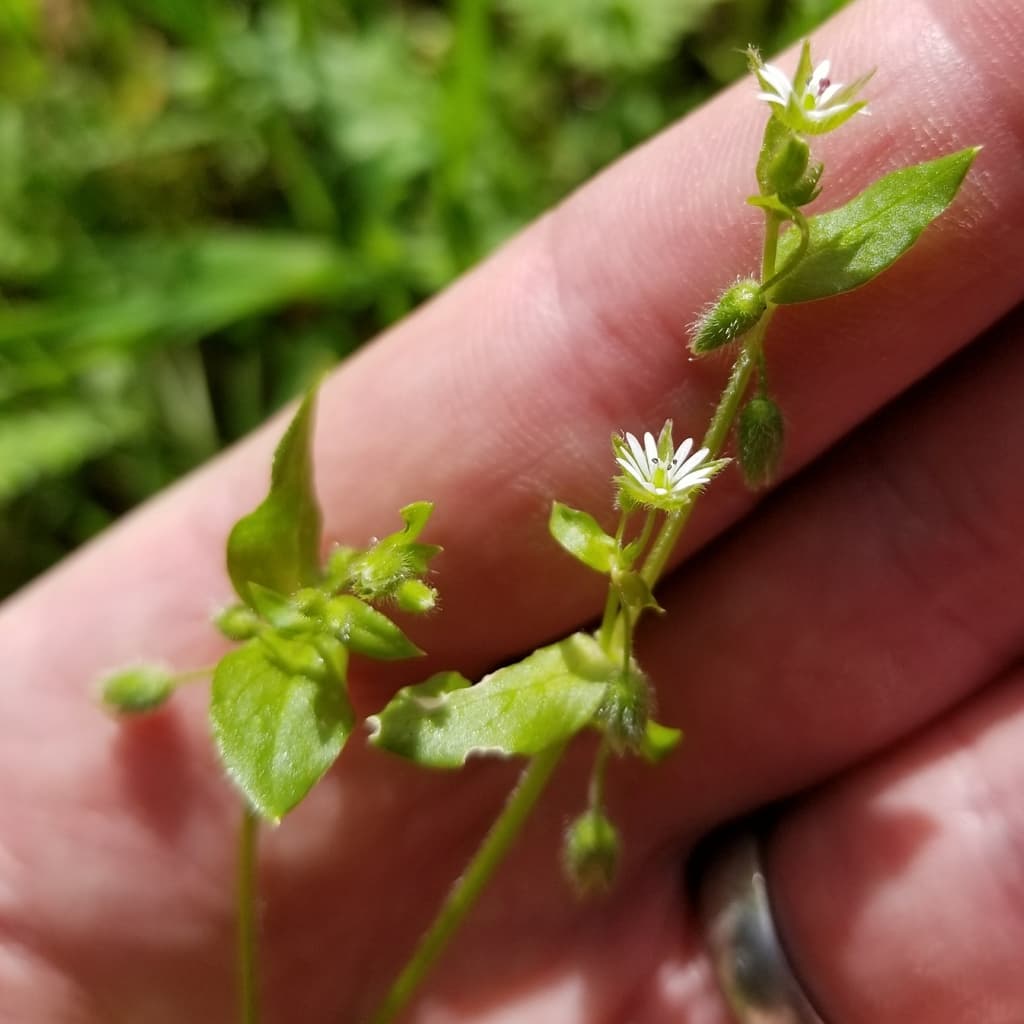
ChickweedWestern
Contribute to overall anti-inflammatory and cooling action.
Clove PinkWestern
Antioxidant flavonoids contributing to anti-inflammatory activity.
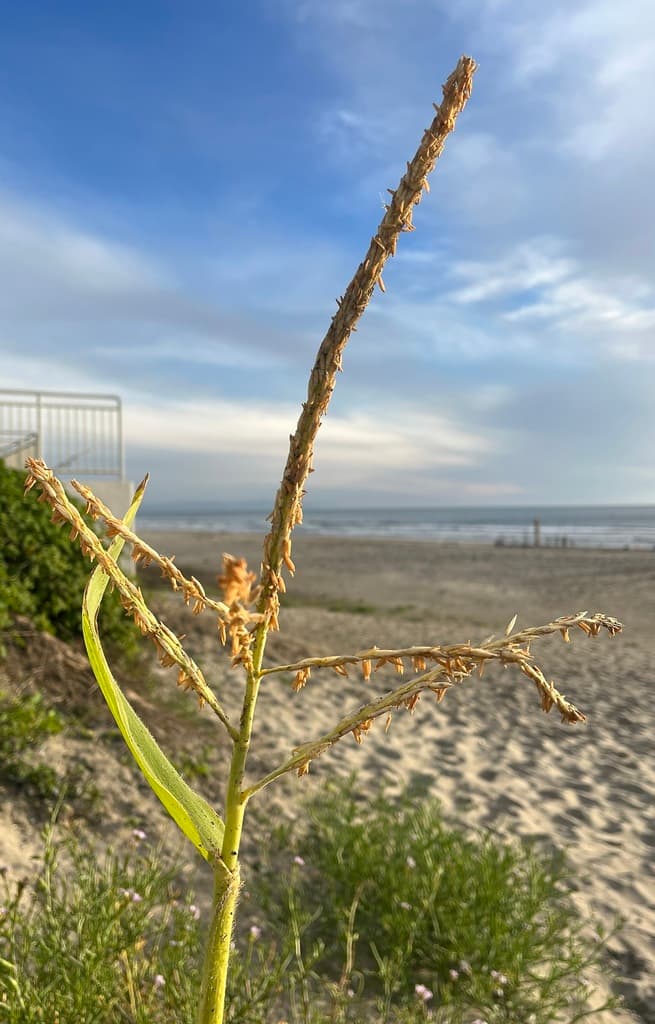
Corn SilkWestern
May contribute to overall soothing effect through general anti-inflammatory properties.
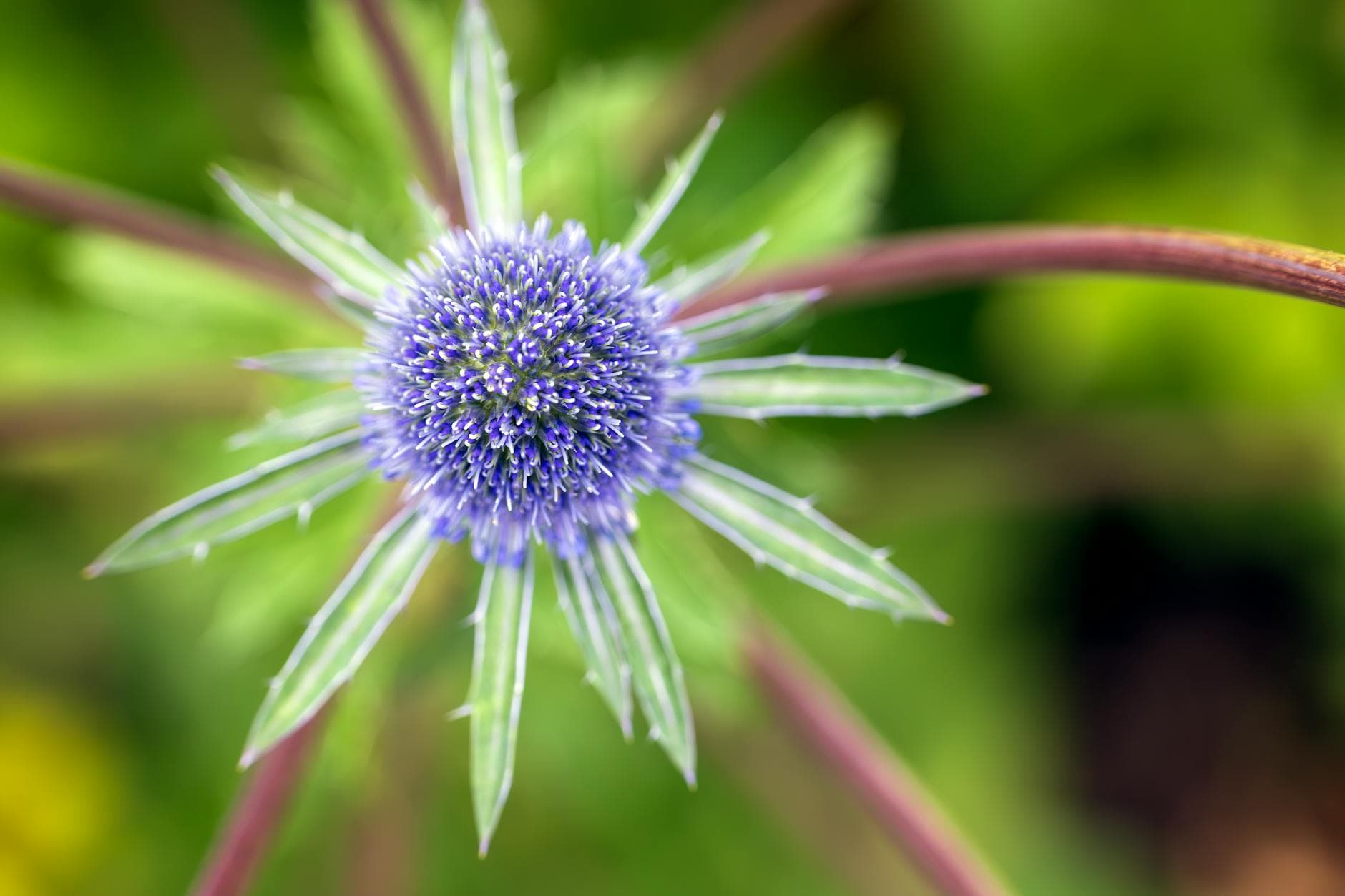
EryngoWestern
Standard flavonoid glycosides providing antioxidant support. Well-characterised class of compounds with established anti-inflammatory mechanisms.
Fadogia agrestisWestern
General antioxidant properties documented; species-specific significance unclear
FigwortWestern
Standard flavonoid glycoside fraction providing antioxidant and anti-inflammatory support for skin and lymphatic applications.
Garlic MustardWestern
Well-characterised dietary flavonoids providing standard antioxidant and anti-inflammatory activity. Secondary to isothiocyanate fraction in pharmacological significance.
GooseberryWestern
Standard flavonoid glycoside fraction providing antioxidant, capillary-protective, and anti-inflammatory support.
Ground ElderWestern
Flavonoid glycoside fraction contributing to anti-inflammatory and diuretic activity. Supports uric acid excretion.
Ground IvyIntegrative
Standard flavonoid glycoside fraction providing anti-inflammatory and capillary-protective support for mucosal applications.
HawkweedWestern
Standard flavonoid glycoside fraction providing antioxidant and anti-inflammatory support. Consistent with cooling tonic applications.
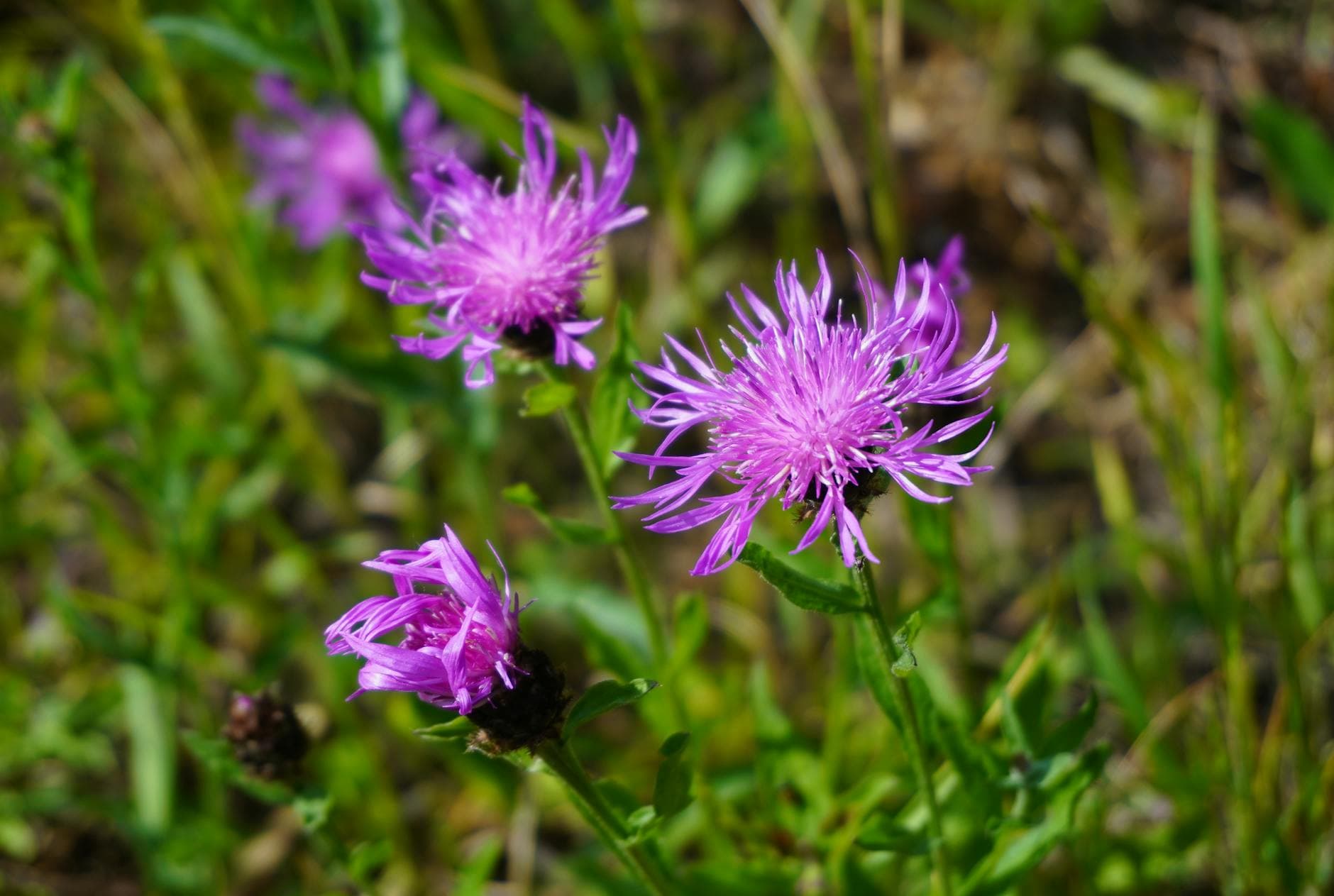
KnapweedWestern
Flavonoids contribute to the antioxidant, anti-inflammatory, and wound-healing profile of the plant.
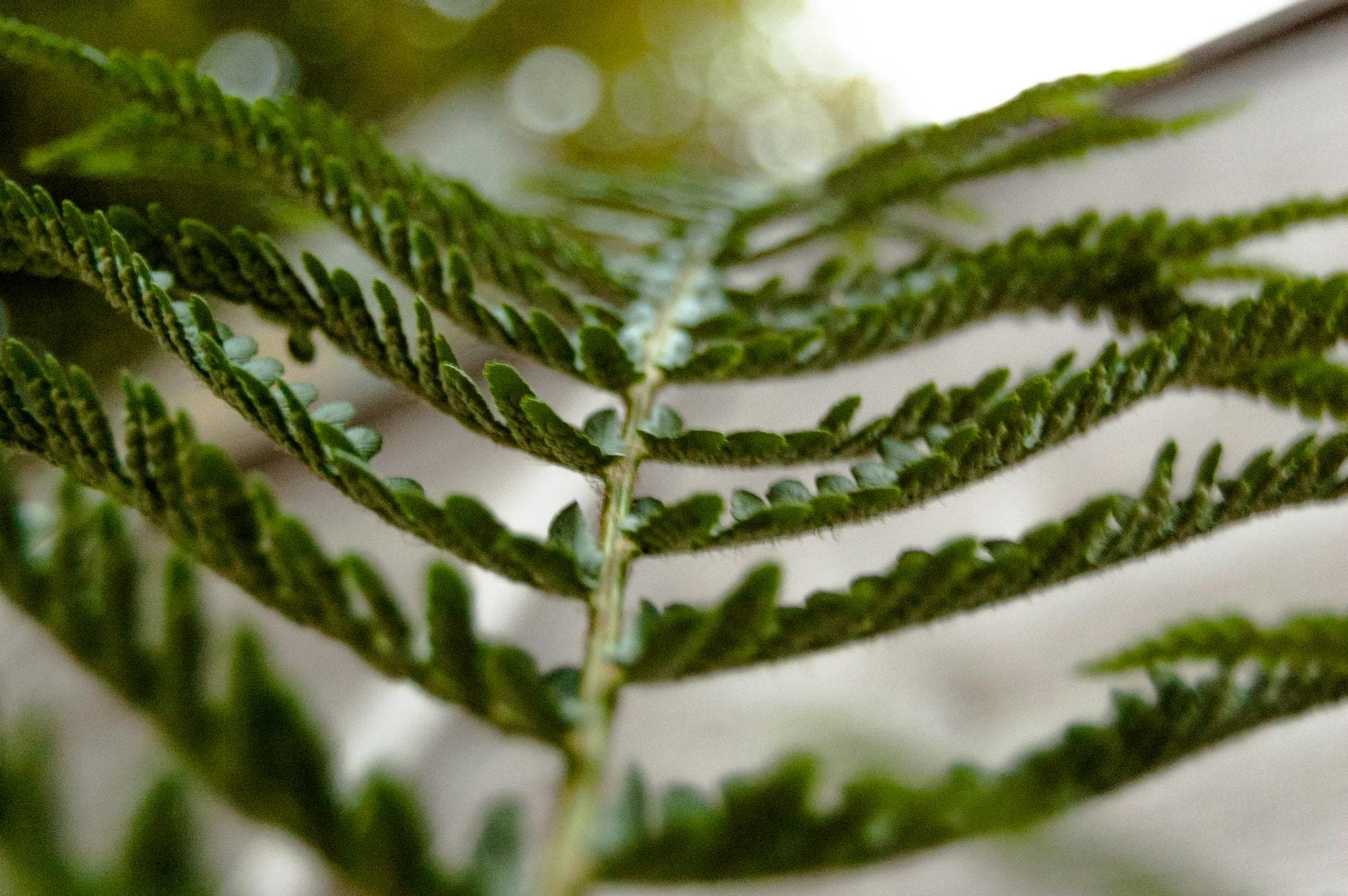
Lady FernWestern
Standard flavonoid glycosides identified in the aerial parts. Antioxidant and mild anti-inflammatory activity demonstrated in vitro. Limited study specific to this species.
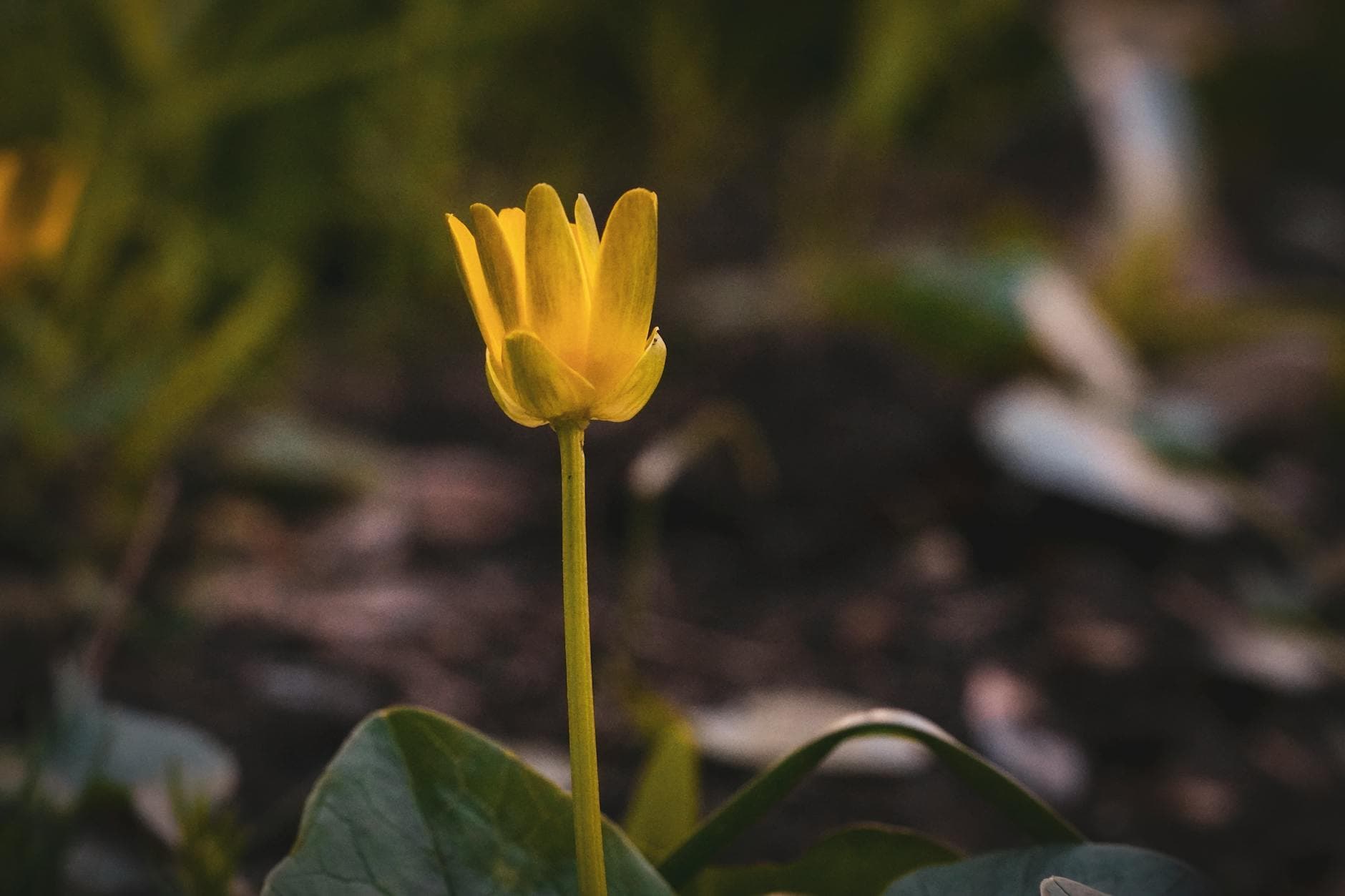
Lesser CelandineWestern
Antioxidant and anti-inflammatory flavonoids contributing to the overall anti-hemorrhagic profile.
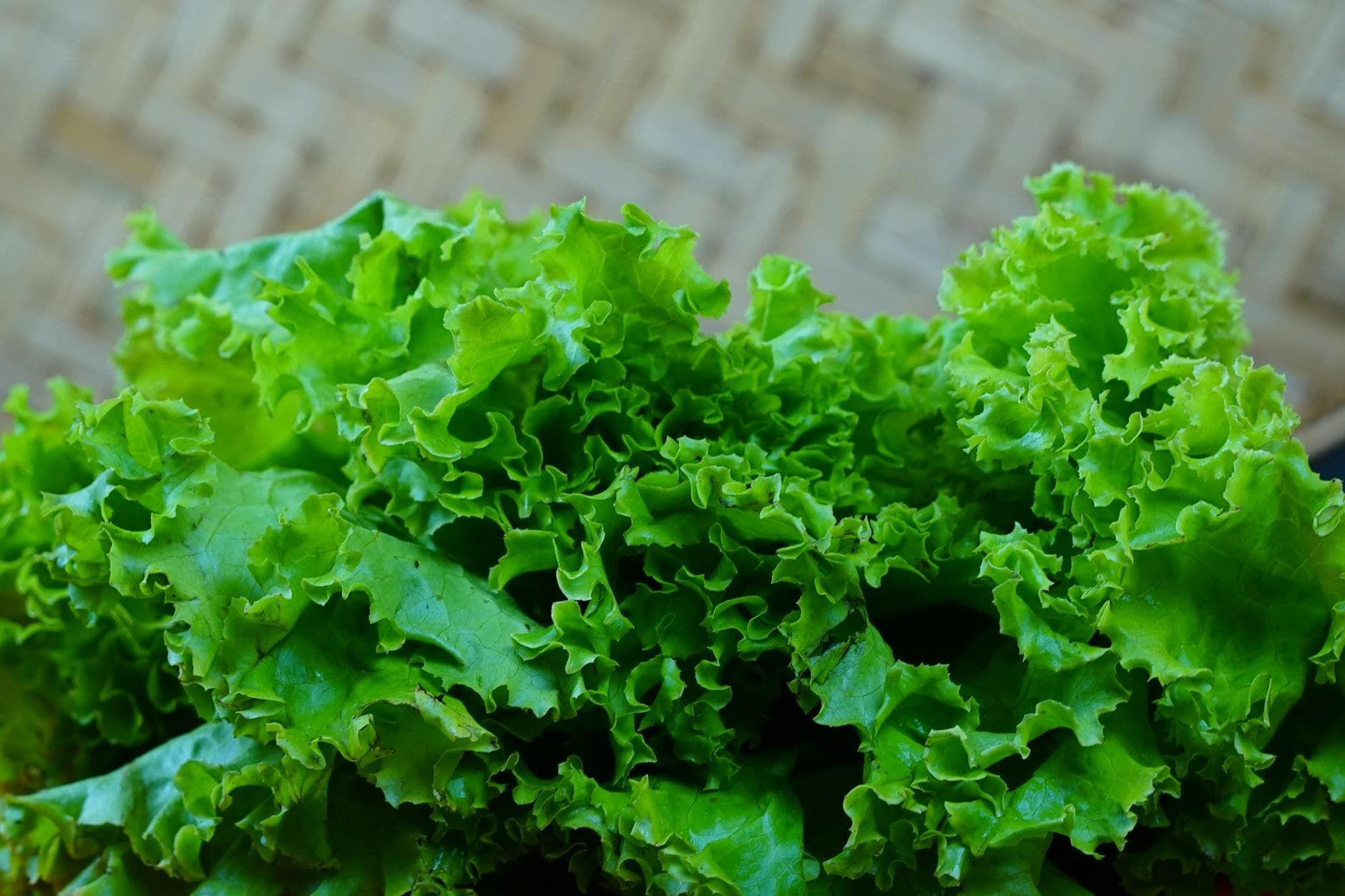
LettuceWestern
Broad antioxidant and anti-inflammatory activity from the flavonoid fraction.
Maidenhair FernWestern
Flavonoid fraction provides antioxidant and anti-inflammatory activity supporting respiratory and wound-healing uses.
RupturewortWestern
Standard flavonoid glycosides contributing antioxidant and anti-inflammatory support. Well-characterised compound class.
Rustyback FernWestern
Standard flavonoid fraction contributing antioxidant and vascular-supportive properties.
SantolinaWestern
Standard flavonoid fraction providing anti-inflammatory and immunomodulatory support.
SavoryWestern
Standard flavonoid fraction providing complementary antioxidant and anti-inflammatory support.
ScurvygrassWestern
Standard flavonoid fraction complementing the high vitamin C content with additional antioxidant and vascular-protective effects.
Service TreeWestern
Standard fruit flavonoid fraction contributing capillary-strengthening and antioxidant effects. Supports vascular integrity relevant to hemostatic applications.
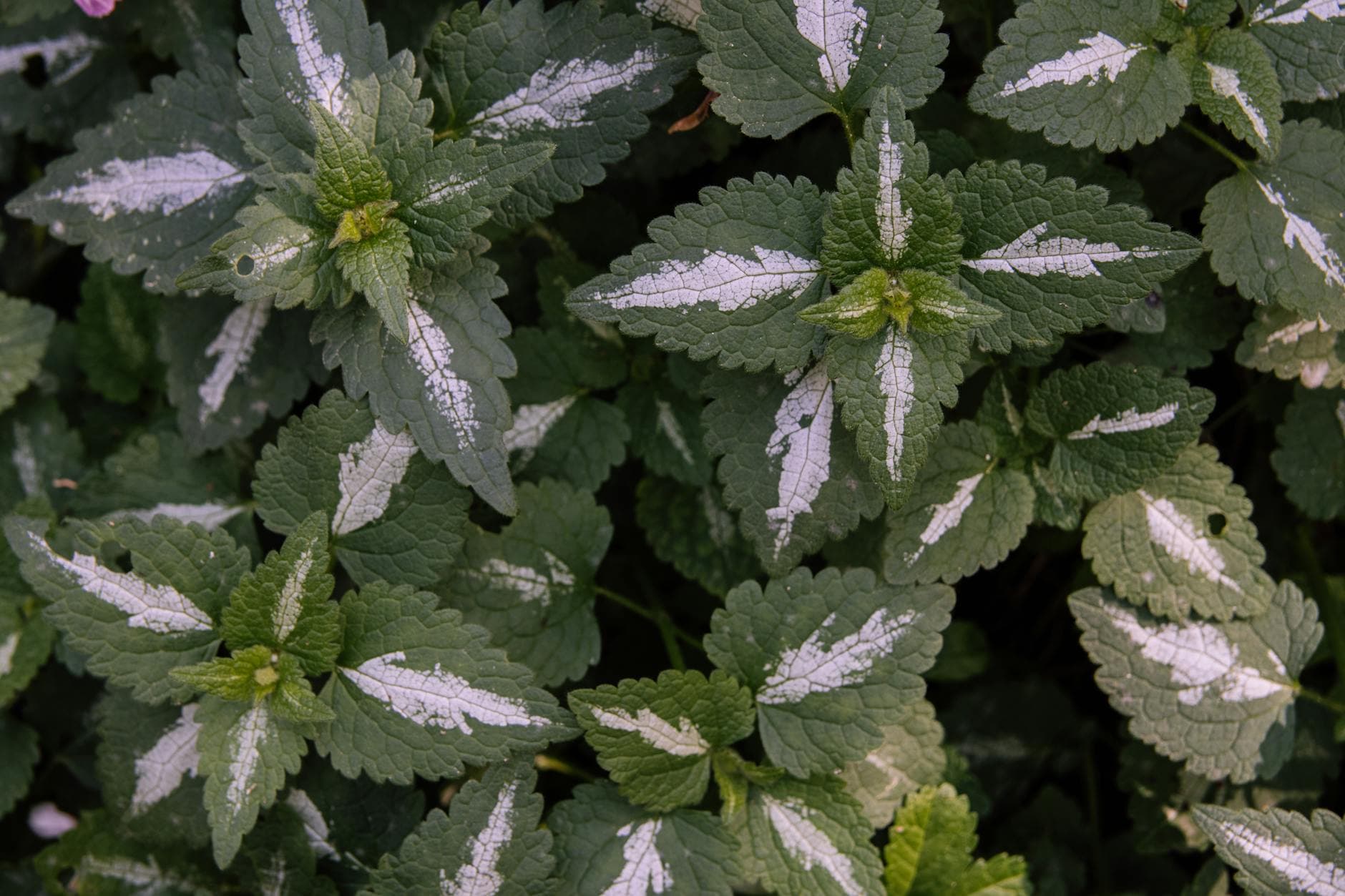
Spotted Dead NettleWestern
General flavonoid vascular-protective properties well-established.
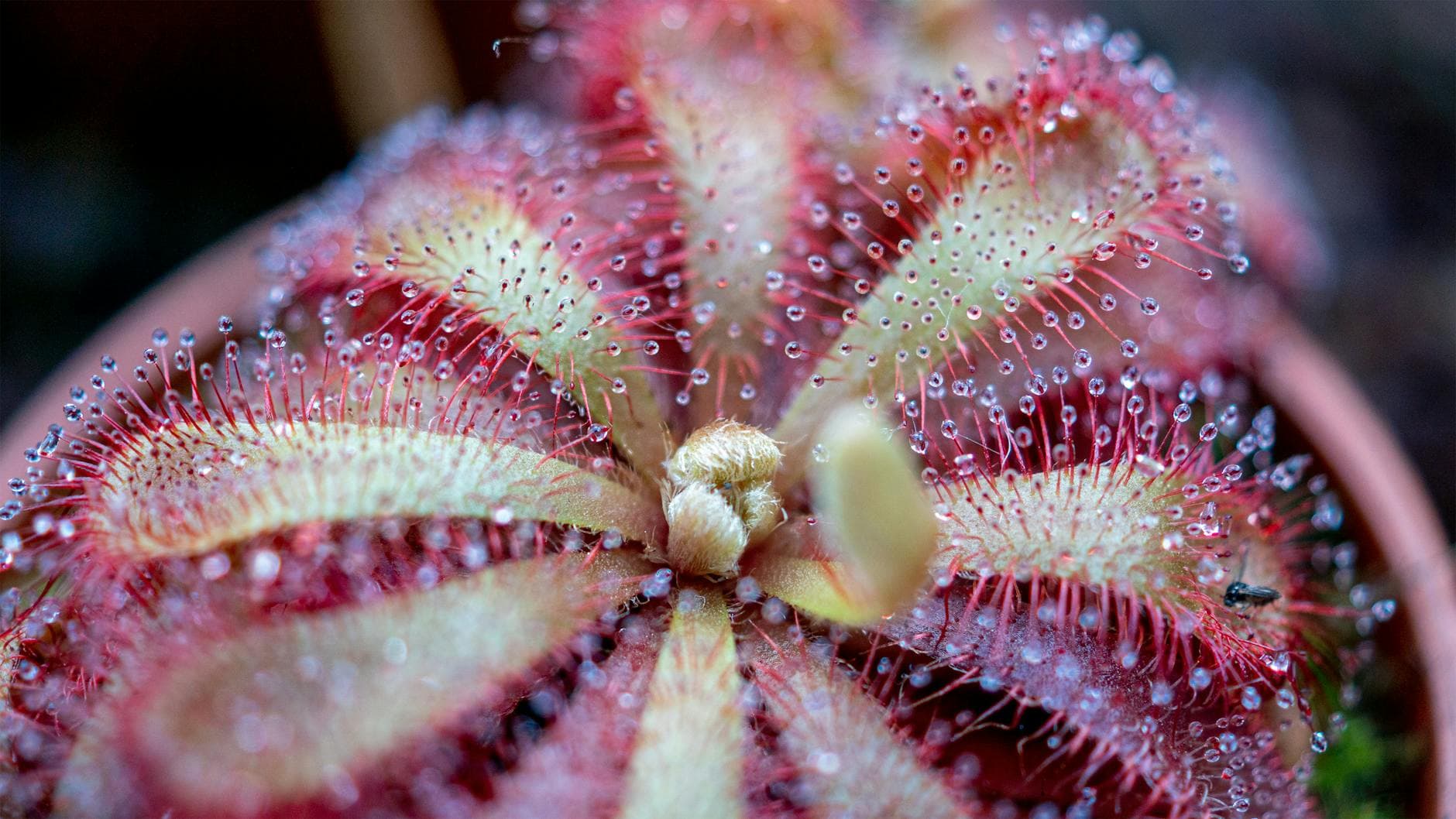
SundewWestern
Flavonoid glycosides including hyperoside and isorhamnetin provide anti-inflammatory and antioxidant support for respiratory applications.
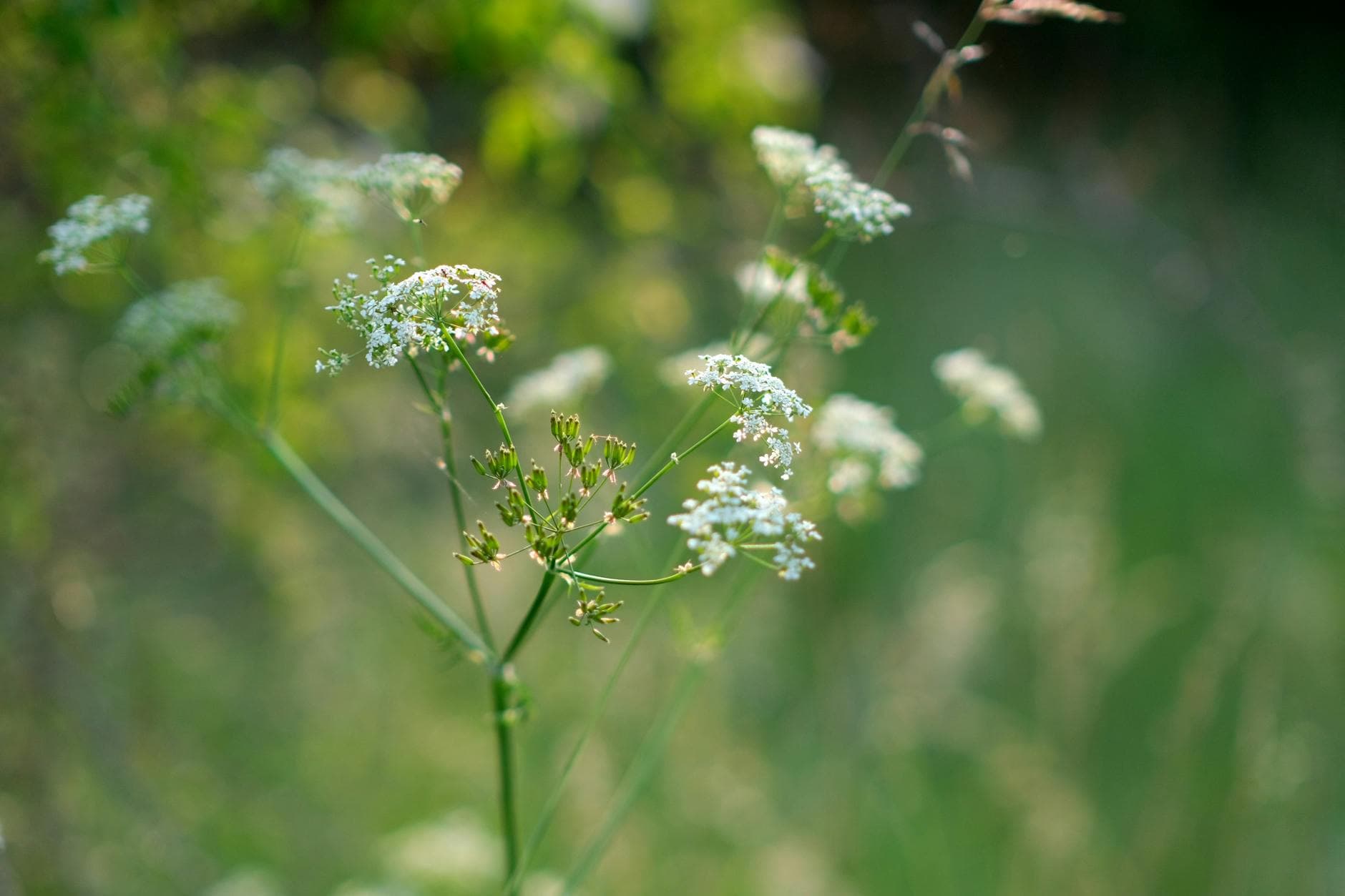
Sweet CicelyWestern
Standard flavonoid glycoside fraction providing antioxidant and anti-inflammatory support.
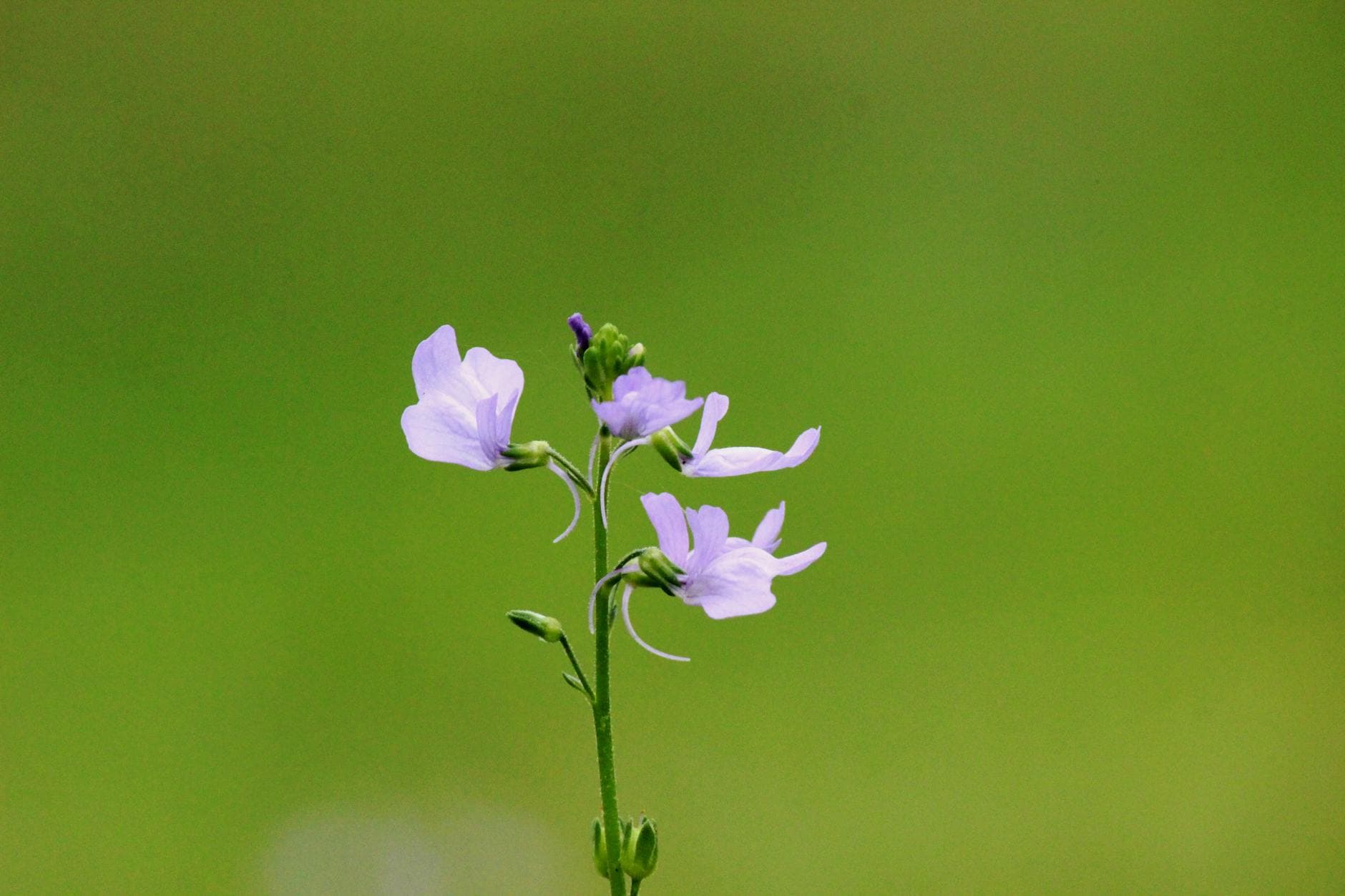
ToadflaxWestern
Linarin and pectolinarin are characteristic flavonoids of Linaria species. Antioxidant and anti-inflammatory activity demonstrated in vitro.
TormentilWestern
Quercetin and kaempferol glycosides provide established anti-inflammatory and antioxidant support.
TustanWestern
Rutin and hyperoside are established anti-inflammatory and capillary-protective flavonoids supporting wound healing and skin regeneration.
Wild CarrotWestern
Luteolin and quercetin derivatives with antioxidant and anti-inflammatory activity.
Wild Cherry BarkWestern
May contribute to respiratory tract soothing through general anti-inflammatory properties.
Wild StrawberryWestern
Standard flavonoid glycoside fraction with established anti-inflammatory and antioxidant properties. Quercetin and kaempferol are well-studied dietary flavonoids.
Wild ThymeWestern
Luteolin and apigenin are established anti-inflammatory and antispasmodic flavonoids. Complement the terpene-based activity of the essential oil.
Yellow ArchangelWestern
General flavonoid antioxidant properties well-established.
Found In 36 Herbs
Bear's-Breeches
WesternBugle
WesternBur Marigold
WesternChickweed
WesternClove Pink
WesternCorn Silk
WesternEryngo
WesternFadogia agrestis
WesternFigwort
WesternGarlic Mustard
WesternGooseberry
WesternGround Elder
WesternGround Ivy
IntegrativeHawkweed
WesternKnapweed
WesternLady Fern
WesternLesser Celandine
WesternLettuce
WesternMaidenhair Fern
WesternRupturewort
WesternRustyback Fern
WesternSantolina
WesternSavory
WesternScurvygrass
WesternService Tree
WesternSpotted Dead Nettle
WesternSundew
WesternSweet Cicely
WesternToadflax
WesternTormentil
WesternTustan
WesternWild Carrot
WesternWild Cherry Bark
WesternWild Strawberry
WesternWild Thyme
WesternYellow Archangel
Western3D Molecular Structure
Flavonoid
Drag to rotate · Click atoms to explore
Flavonoids
FlavonoidPolyphenolic antioxidants protecting cells from oxidative damage
Representative pattern: C₁₅H₁₀O₃
Atoms
Carbon
Oxygen
Related Compounds (Flavonoid)
Anthocyanins (cyanidin-3-glucoside, cyanidin-3-rutinoside)(1)Apigenin(8)Flavonoid glycosides(2)Flavonoids (kaempferol, quercetin)(1)Flavonoids (onopordin, apigenin)(1)Flavonoids (osmundalin)(1)Flavonoids (quercetin, kaempferol, anthocyanins)(1)Flavonoids (quercetin, kaempferol, luteolin)(1)Flavonoids (quercetin, kaempferol)(1)Flavonoids (rutin, hyperoside)(1)Flavonoids (rutin, quercetin)(1)Flavonols (quercetin, kaempferol)(1)
Live Research
This information is for educational purposes only and does not constitute medical advice. Always consult a qualified healthcare practitioner before using any herbal product.
These statements have not been evaluated by the Food and Drug Administration. This product is not intended to diagnose, treat, cure, or prevent any disease. This content is for educational purposes only and is not a substitute for professional medical advice.