Loading…
Back to Compound Explorer
Muscarine
Well-characterized receptor pharmacology; human toxicology from poisoning casesMechanism of Action
Non-selective muscarinic acetylcholine receptor agonist; activates M1-M5 receptors
Research Notes
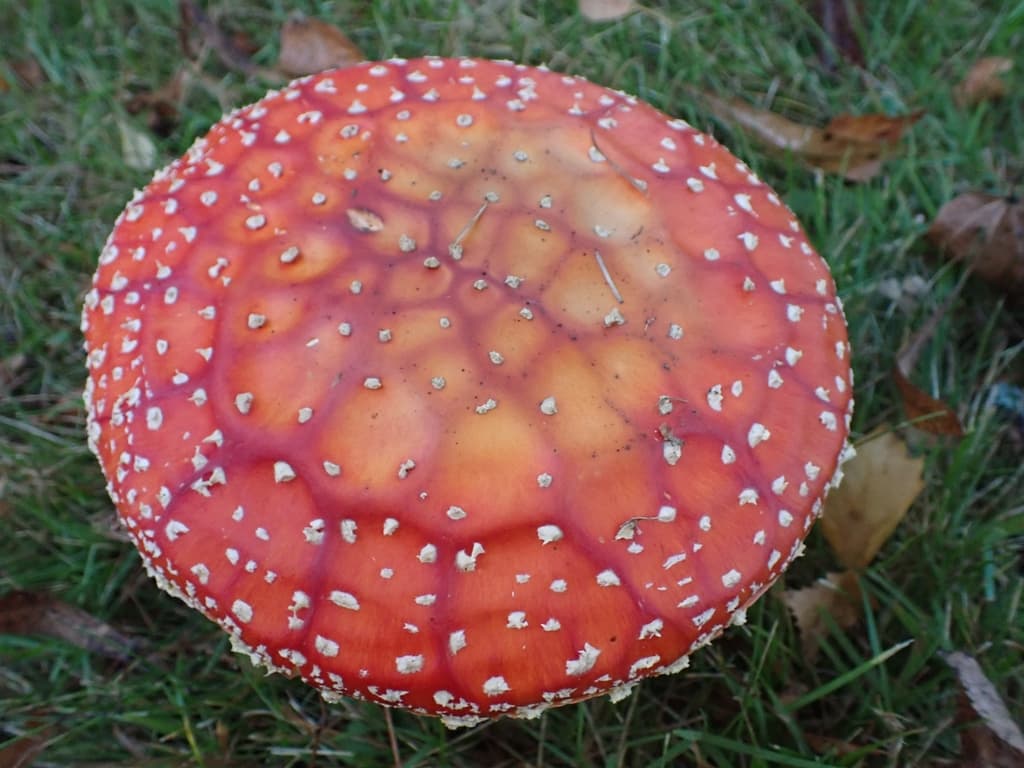
Fly AgaricMushroom
Previously thought to be the primary psychoactive agent (hence the name "muscarine"), but exists in lower concentrations than once believed. Produces cholinergic toxidrome (excessive salivation, lacrimation, miosis, muscle fasciculations) through parasympathomimetic effects. Contributes to the gastrointestinal and neurological symptoms of poisoning.
Found In 1 Herb
3D Molecular Structure
Alkaloid
Drag to rotate · Click atoms to explore
Muscarine
AlkaloidNitrogen-containing compounds with potent pharmacological effects
Representative pattern: C₉H₇N₂O
Atoms
Nitrogen
Carbon
Hydrogen
Oxygen
Related Compounds (Alkaloid)
Live Research
This information is for educational purposes only and does not constitute medical advice. Always consult a qualified healthcare practitioner before using any herbal product.
These statements have not been evaluated by the Food and Drug Administration. This product is not intended to diagnose, treat, cure, or prevent any disease. This content is for educational purposes only and is not a substitute for professional medical advice.