Loading…
Back to Compound Explorer
Cnicin
Clinical trialMechanism of Action
Primary bitter principle (0.2–0.7% in dried herb); stimulates gastric secretion and bile flow via TAS2R bitter taste receptors; emetic at high doses via direct mucosal irritation
Primary bitter principle of Centaurea species; confirmed anti-inflammatory, antibacterial, and anti-febrile properties; responsible for the balsamic tonic tradition
Research Notes
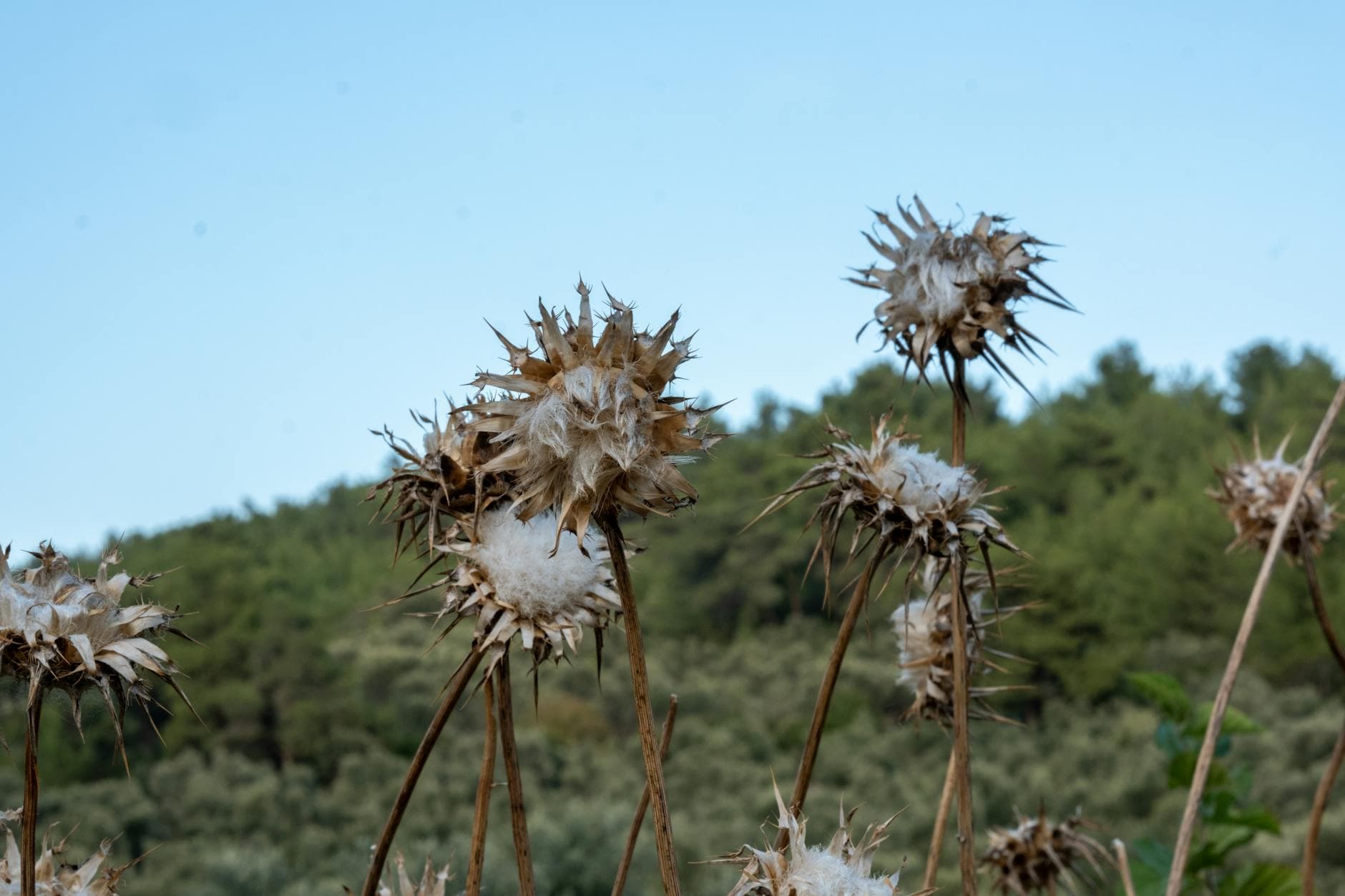
Blessed ThistleWestern
Well-characterised bitter compound. German Commission E approval for dyspeptic complaints based on established bitter pharmacology. Also demonstrates antiprotozoal, antitumour, and mild cytotoxic activity in vitro.
Star ThistleWestern
Cnicin is the characteristic sesquiterpene lactone of the Centaurea genus. Demonstrates anti-inflammatory, antibacterial, and antipyretic activity.
Found In 2 Herbs

3D Molecular Structure
Sesquiterpene Lactone
Drag to rotate · Click atoms to explore
Cnicin
Sesquiterpene LactoneAromatic plant metabolites with anti-inflammatory properties
Representative pattern: C₂₁H₃₀O₂
Atoms
Carbon
Oxygen
Related Compounds (Sesquiterpene Lactone)
Live Research
This information is for educational purposes only and does not constitute medical advice. Always consult a qualified healthcare practitioner before using any herbal product.
These statements have not been evaluated by the Food and Drug Administration. This product is not intended to diagnose, treat, cure, or prevent any disease. This content is for educational purposes only and is not a substitute for professional medical advice.