Loading…
Back to Compound Explorer
trans-Anethole
Clinical trialMechanism of Action
Bronchial mucus stimulation and antispasmodic via calcium channel antagonism in smooth muscle; phytoestrogenic ER binding (weak agonist); galactagogue via dopamine D2 receptor inhibition elevating prolactin; anti-inflammatory via NF-κB and COX-2 inhibition; antimicrobial through disruption of fungal ergosterol biosynthesis and bacterial lipopolysaccharide membrane integrity.
Estrogen receptor modulation; G-protein coupled receptor 30 activation
Research Notes
AniseWestern
Trans-anethole has established mechanisms for its primary carminative and expectorant activities. European Medicines Agency monograph recognizes evidence for respiratory catarrh and dyspepsia. A Cochrane-adjacent systematic review identified 3 controlled trials supporting antifungal applications. Phytoestrogenic effects confirmed in cell-based assays; galactagogue activity supported by animal studies and ethnobotanical surveys of nursing mothers.
trans-Anethole exhibits estrogenic activity in vitro through rapid GPR30 signaling and weak classical ER binding. Clinical trials show modest benefit for menopausal vasomotor symptoms with 300-600mg daily.
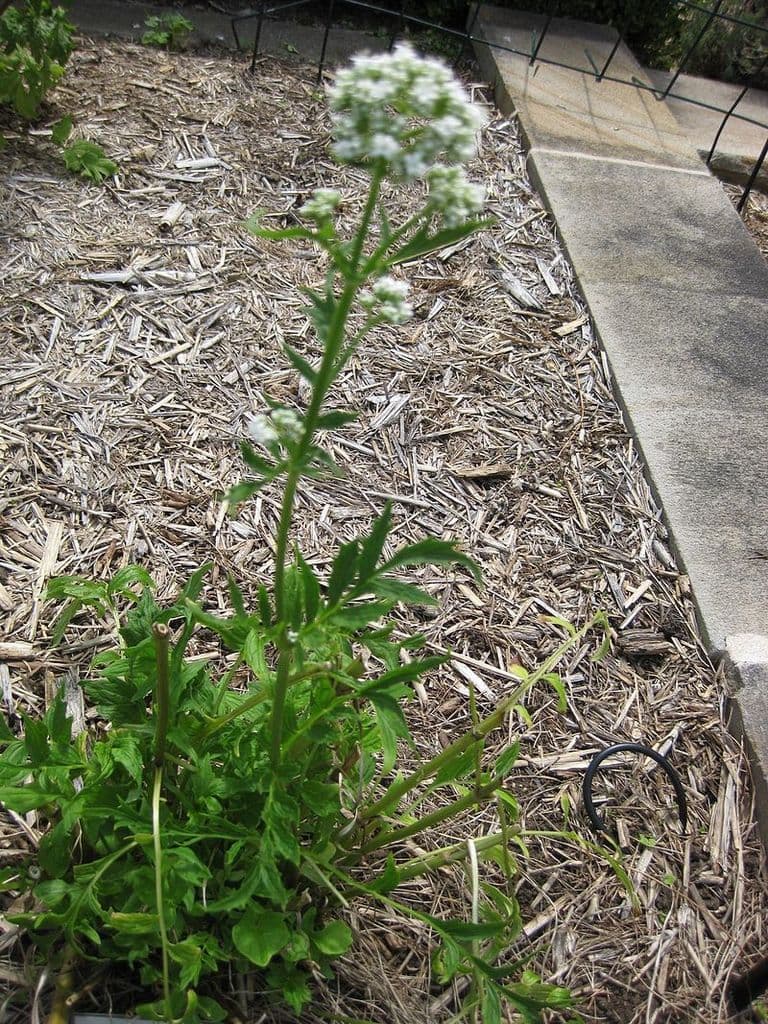
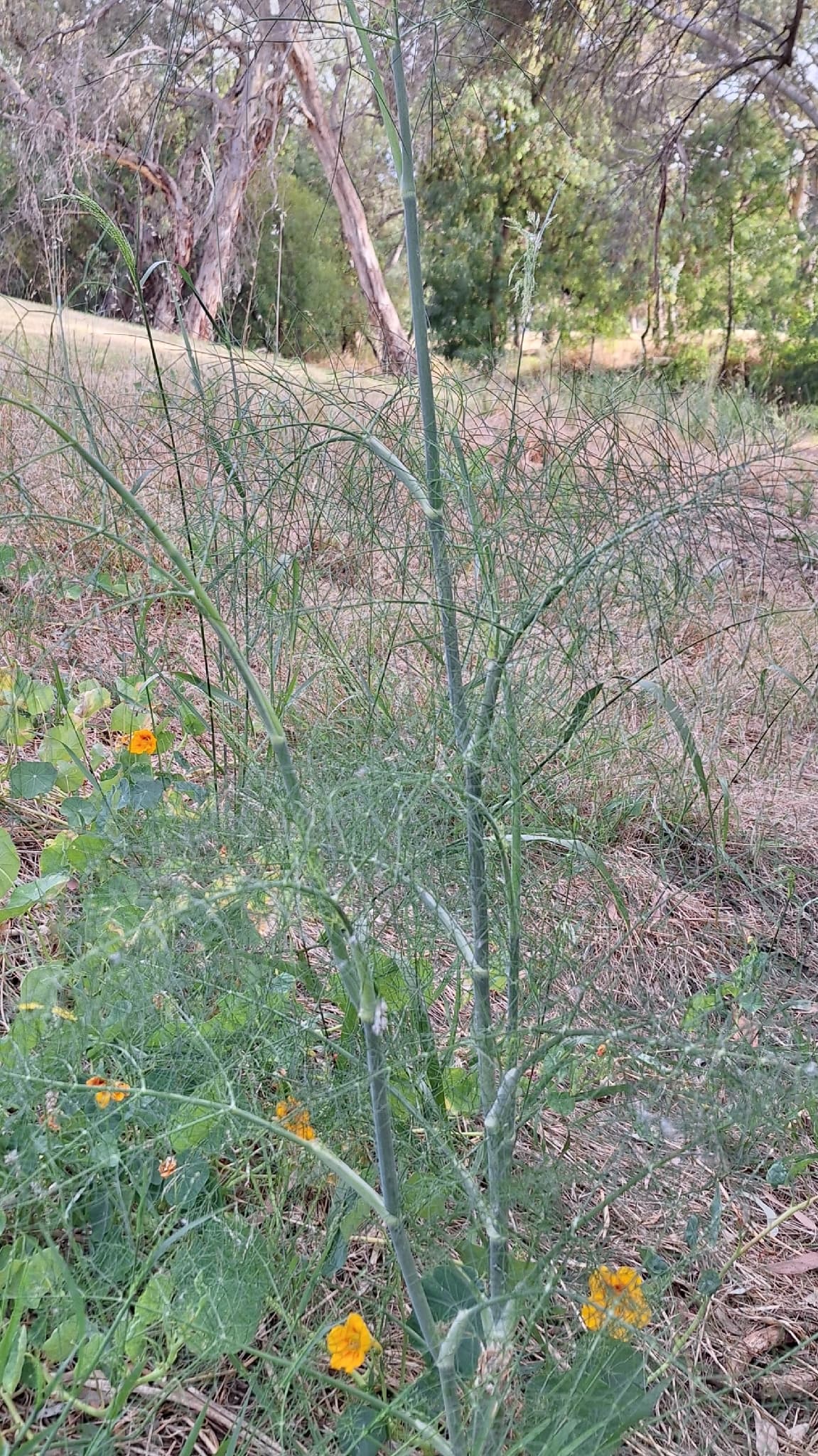
Found In 2 Herbs
3D Molecular Structure
Phenylpropanoid
Drag to rotate · Click atoms to explore
trans-Anethole
PhenylpropanoidBioactive phytochemical with therapeutic properties
Representative pattern: C₇H₆O₃
Atoms
Carbon
Oxygen
Hydrogen
Related Compounds (Phenylpropanoid)
Live Research
This information is for educational purposes only and does not constitute medical advice. Always consult a qualified healthcare practitioner before using any herbal product.
These statements have not been evaluated by the Food and Drug Administration. This product is not intended to diagnose, treat, cure, or prevent any disease. This content is for educational purposes only and is not a substitute for professional medical advice.