Loading…
Back to Compound Explorer
Scopoletin
In vitro / AnimalMechanism of Action
Uterine smooth muscle spasmolytic; anti-inflammatory vascular action
Antispasmodic; anti-inflammatory; mild anticoagulant
Anti-inflammatory and antispasmodic coumarin with antioxidant properties
Scopoletin is a coumarin derivative that exerts anti-inflammatory activity through non-selective inhibition of cyclooxygenase (COX-1 and COX-2) and 5-lipoxygenase (5-LOX) enzymes, reducing synthesis of prostaglandins, thromboxanes, and leukotrienes. It also inhibits monoamine oxidase (MAO-A) activity at relevant concentrations, contributing mild antidepressant and anxiolytic effects. Antispasmodic effects on smooth muscle involve inhibition of phosphodiesterase and calcium channel antagonism. Scopoletin exhibits hepatoprotective activity by upregulating glutathione S-transferase and superoxide dismutase in hepatic tissue under oxidative stress conditions.
Inhibits both COX-1 and COX-2 enzymes, reducing prostaglandin synthesis and inflammatory cascade activation. Binds to 5-HT3 serotonin receptors, potentially modulating pain perception and gastrointestinal motility. Exhibits angiotensin-converting enzyme (ACE) inhibitory activity contributing to mild vasodilatory and antihypertensive effects. Also demonstrates antifungal activity against Aspergillus niger and Candida species.
Inhibits COX-1 and COX-2 enzymes and 5-LOX pathway, reducing prostaglandin and leukotriene production; exhibits bronchodilatory effects via inhibition of phosphodiesterase and smooth muscle relaxation; demonstrates antifungal activity via membrane ergosterol disruption.
MAO inhibitory activity; antispasmodic; anti-inflammatory; anxiolytic
Antioxidant and anti-inflammatory through free radical scavenging; weak anticoagulant; antimicrobial properties
Anti-inflammatory via lipoxygenase inhibition; antispasmodic; antimicrobial
Research Notes
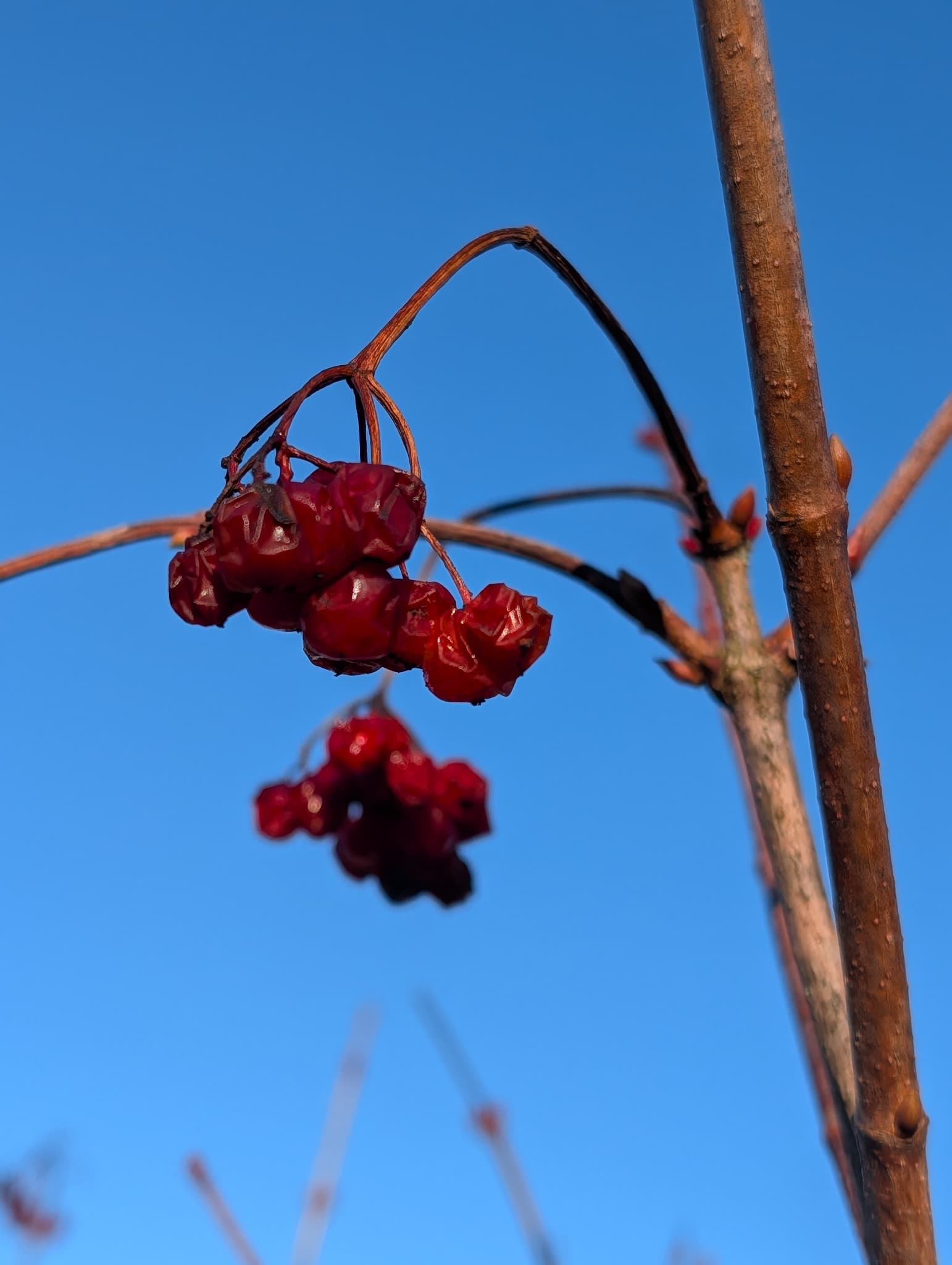
Black HawWestern
Scopoletin relaxes uterine and vascular smooth muscle through direct pharmacologic action. Traditional use for dysmenorrhea and threatened miscarriage supported by in vitro studies demonstrating spasmolytic activity.
Cramp BarkWestern
Antispasmodic on smooth muscle in vitro; anti-inflammatory via multiple pathways; contributes to anticoagulant activity
MallowWestern
Anti-inflammatory coumarin documented in multiple plant species with antispasmodic and antioxidant activity.
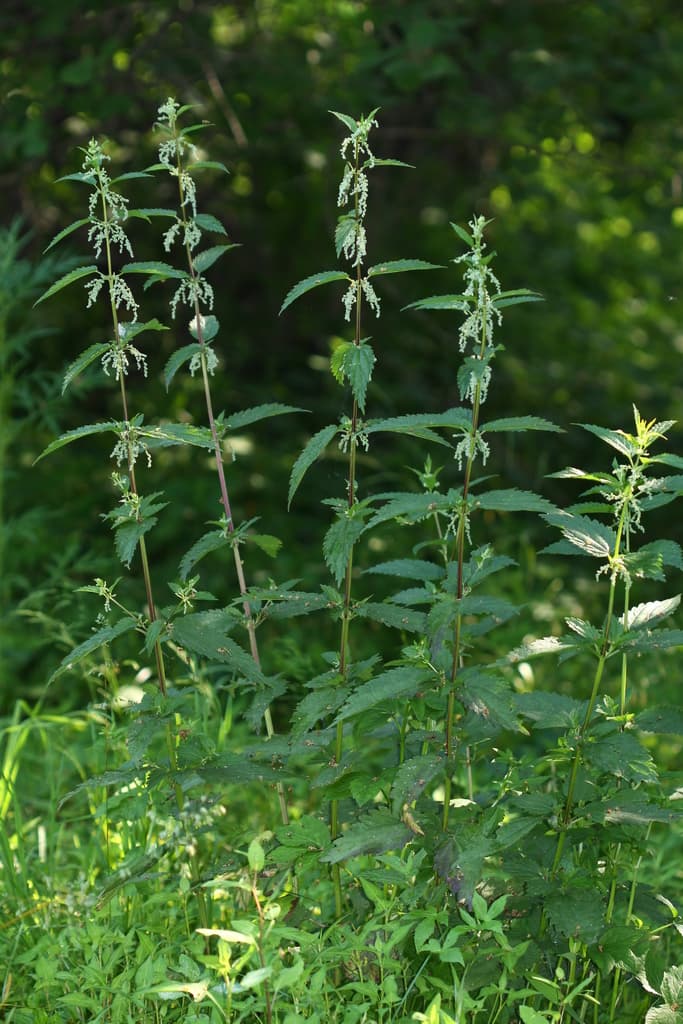
Nettle RootWestern
Scopoletin has demonstrated dose-dependent inhibition of COX-2-mediated prostaglandin E2 synthesis in RAW 264.7 macrophage cultures, with IC50 values of approximately 18 µM. Anti-inflammatory activity in carrageenan-induced paw edema models in rats showed 35–45% inhibition at 50 mg/kg doses. Its contribution to the overall anti-inflammatory profile of nettle root extract has not been isolated in clinical trials, but in vitro HPLC-quantified extracts correlate scopoletin content with inhibition of inflammatory biomarkers in cell assays.
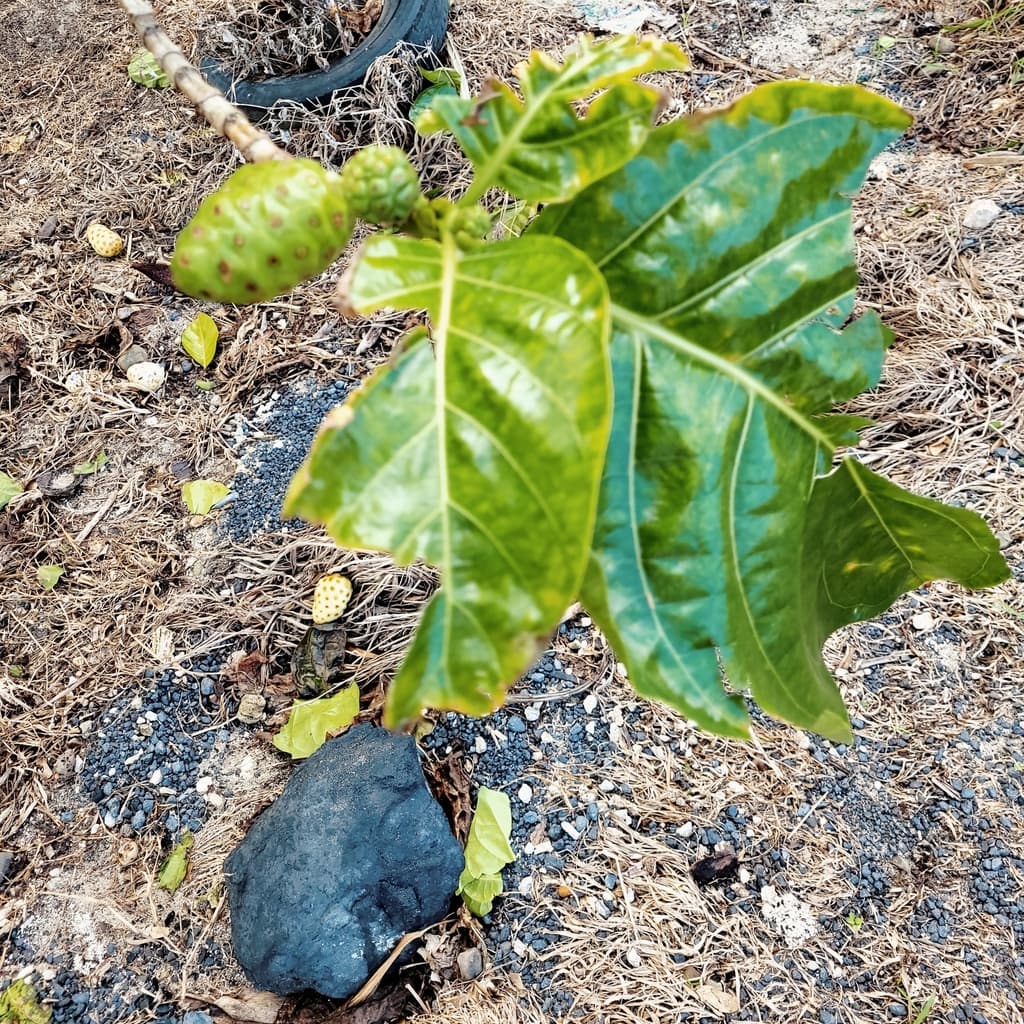
NoniAyurvedic
Animal studies have confirmed scopoletin's anti-inflammatory and smooth muscle relaxant properties, with blood pressure-lowering effects demonstrated in hypertensive rat models. A small number of human studies using noni juice as a whole preparation (not isolating scopoletin) suggest modest antihypertensive effects in hypertensive smokers. The compound's contribution to noni's overall bioactivity remains unclear given complex pharmacokinetics in whole-fruit preparations.
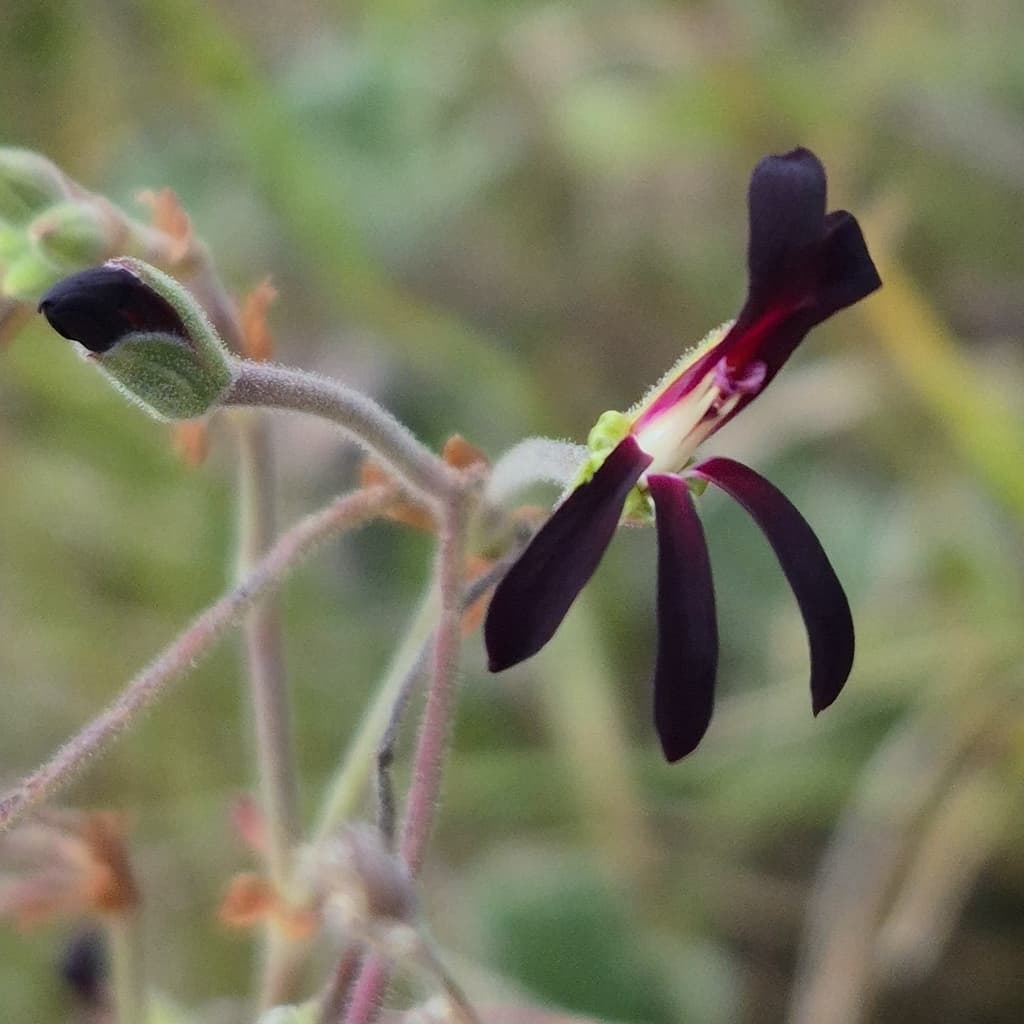
Pelargonium sidoidesAfrican
Scopoletin is well-characterised across multiple botanical sources (passionflower, ashwagandha, kava) and its anti-inflammatory, spasmolytic, and antimicrobial properties are consistently demonstrated in vitro. In the context of Pelargonium sidoides, it contributes to the bronchodilatory and anti-inflammatory components of EPs® 7630's clinical profile, complementing the primary coumarin umckalin.
ShankhapushpiAyurvedic
MAO inhibition documented in vitro — contributes to mood-modulating effects. Smooth muscle relaxant properties.
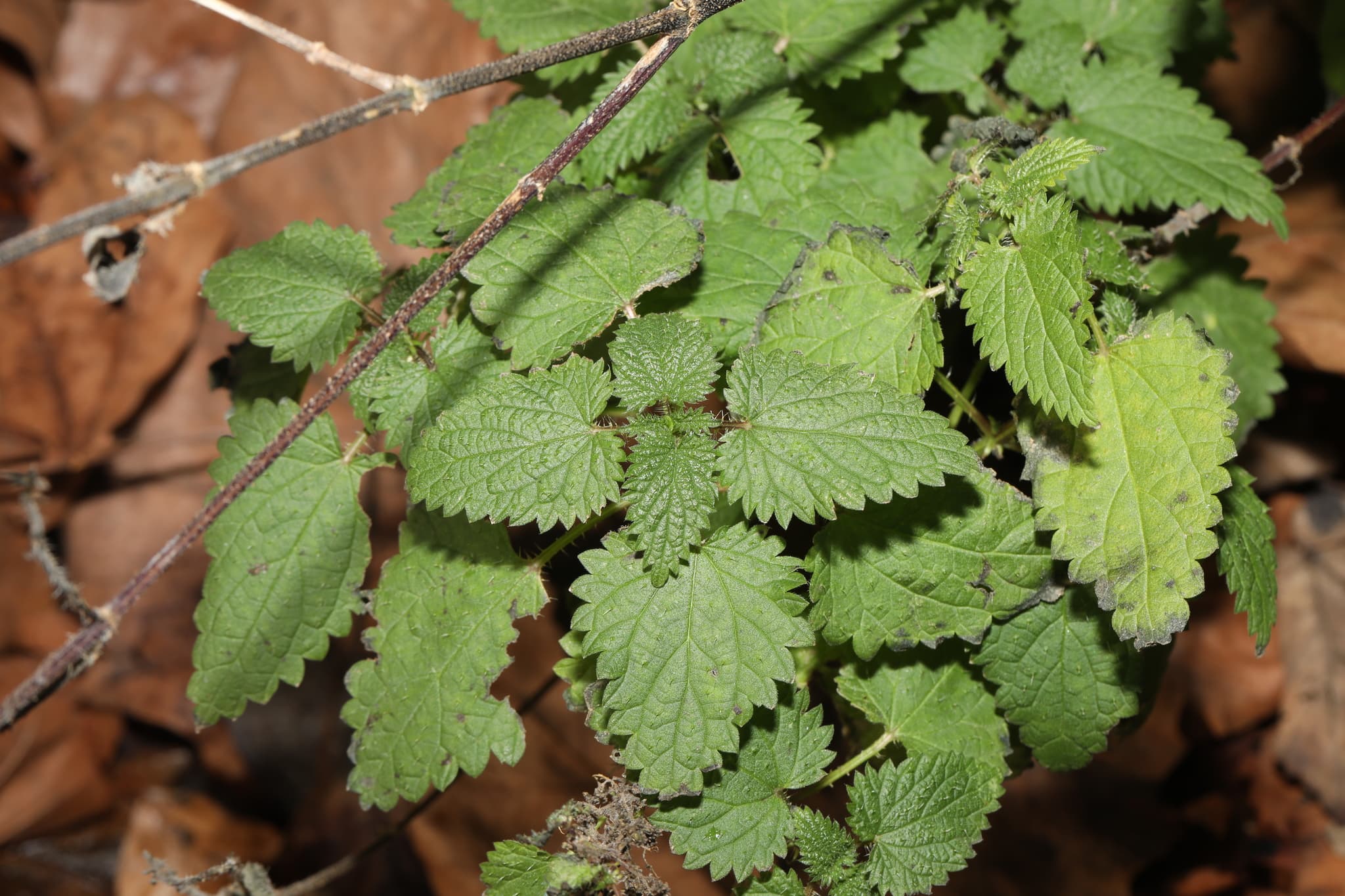
Scopoletin is a minor coumarin in nettle contributing to antioxidant and anti-inflammatory profile. Demonstrates antimicrobial and weak anticoagulant activity; synergistic with other nettle constituents for overall efficacy.
Scopoletin contributes to anti-inflammatory and detoxifying profile. In vitro studies confirm activity through multiple pathways.
Found In 9 Herbs


3D Molecular Structure
Coumarin
Drag to rotate · Click atoms to explore
Scopoletin
CoumarinBioactive phytochemical with therapeutic properties
Representative pattern: C₇H₆O₃
Atoms
Carbon
Oxygen
Hydrogen
Related Compounds (Coumarin)
Live Research
This information is for educational purposes only and does not constitute medical advice. Always consult a qualified healthcare practitioner before using any herbal product.
These statements have not been evaluated by the Food and Drug Administration. This product is not intended to diagnose, treat, cure, or prevent any disease. This content is for educational purposes only and is not a substitute for professional medical advice.