Loading…
Back to Compound Explorer
Rhein
Clinical trialMechanism of Action
Stimulant laxative via chloride secretion in colonocytes; anti-inflammatory
Active anthraquinone aglycone responsible for colonic stimulant and secretory laxative effects
Active metabolite of sennosides; directly stimulates myenteric plexus; inhibits water and electrolyte absorption
Intestinal laxative through colonic stimulation; antimicrobial against intestinal pathogens
Research Notes
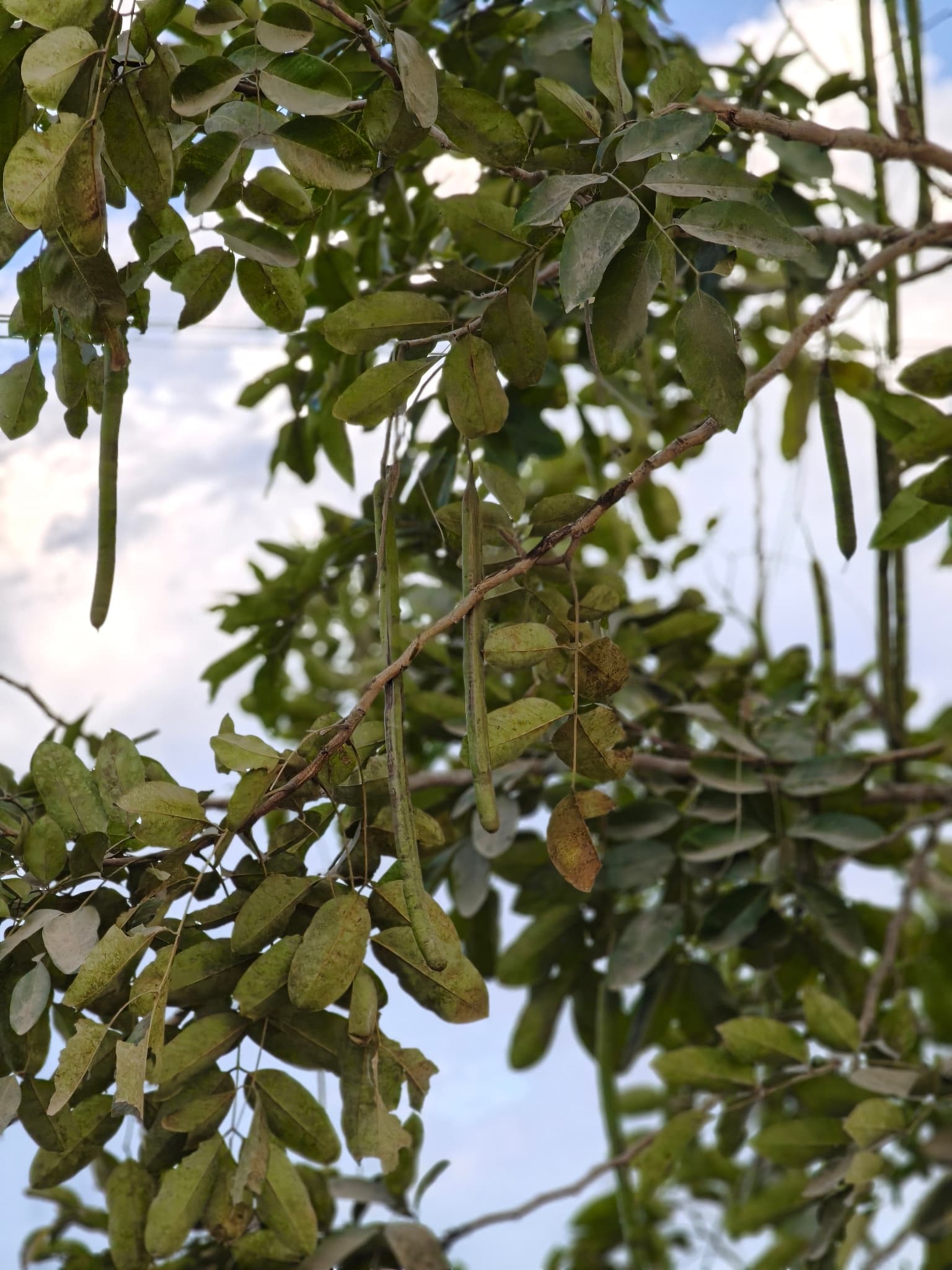
AmaltasAyurvedic
Rhein and related anthraquinones in Cassia fistula pulp produce the well-established laxative effect. Clinical use as a mild purgative is supported by pharmacological studies.
American SennaWestern
Rhein is the primary active metabolite of sennoside hydrolysis. Well-characterised pharmacokinetics and pharmacodynamics in human studies. Also demonstrates antimicrobial and anti-inflammatory properties in vitro.
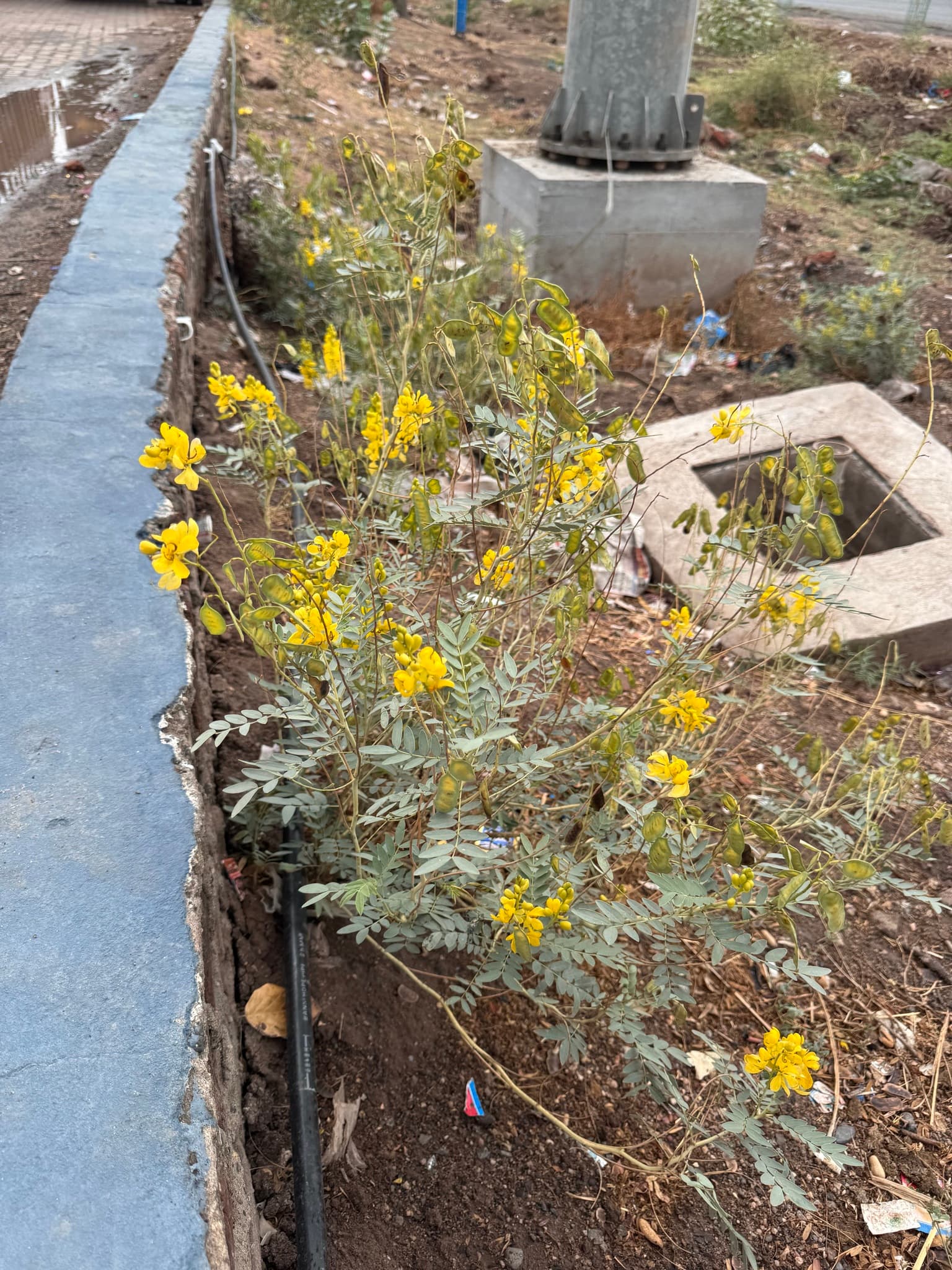
SennaAyurvedic
Rhein is the primary active metabolite responsible for senna's laxative effect. It acts locally on colonic smooth muscle and secretory cells.
Turkey RhubarbWestern
Rhein contributes to laxative activity through intestinal secretion and motility stimulation. Antimicrobial activity against gram-positive bacteria documented.
Found In 4 Herbs

3D Molecular Structure
Anthraquinone
Drag to rotate · Click atoms to explore
Rhein
AnthraquinoneBioactive phytochemical with therapeutic properties
Representative pattern: C₄H₂NO
Atoms
Carbon
Oxygen
Nitrogen
Hydrogen
Related Compounds (Anthraquinone)
Live Research
This information is for educational purposes only and does not constitute medical advice. Always consult a qualified healthcare practitioner before using any herbal product.
These statements have not been evaluated by the Food and Drug Administration. This product is not intended to diagnose, treat, cure, or prevent any disease. This content is for educational purposes only and is not a substitute for professional medical advice.