Loading…
Back to Compound Explorer
Damnacanthal
PreliminaryMechanism of Action
Inhibits ras oncogene function by blocking tyrosine kinase phosphorylation, interfering with signal transduction cascades downstream of Ras. Exhibits direct antimicrobial activity via membrane disruption in gram-positive bacteria. Also induces apoptosis in tumor cell lines through activation of caspase-3 and downregulation of Bcl-2 expression.
Research Notes
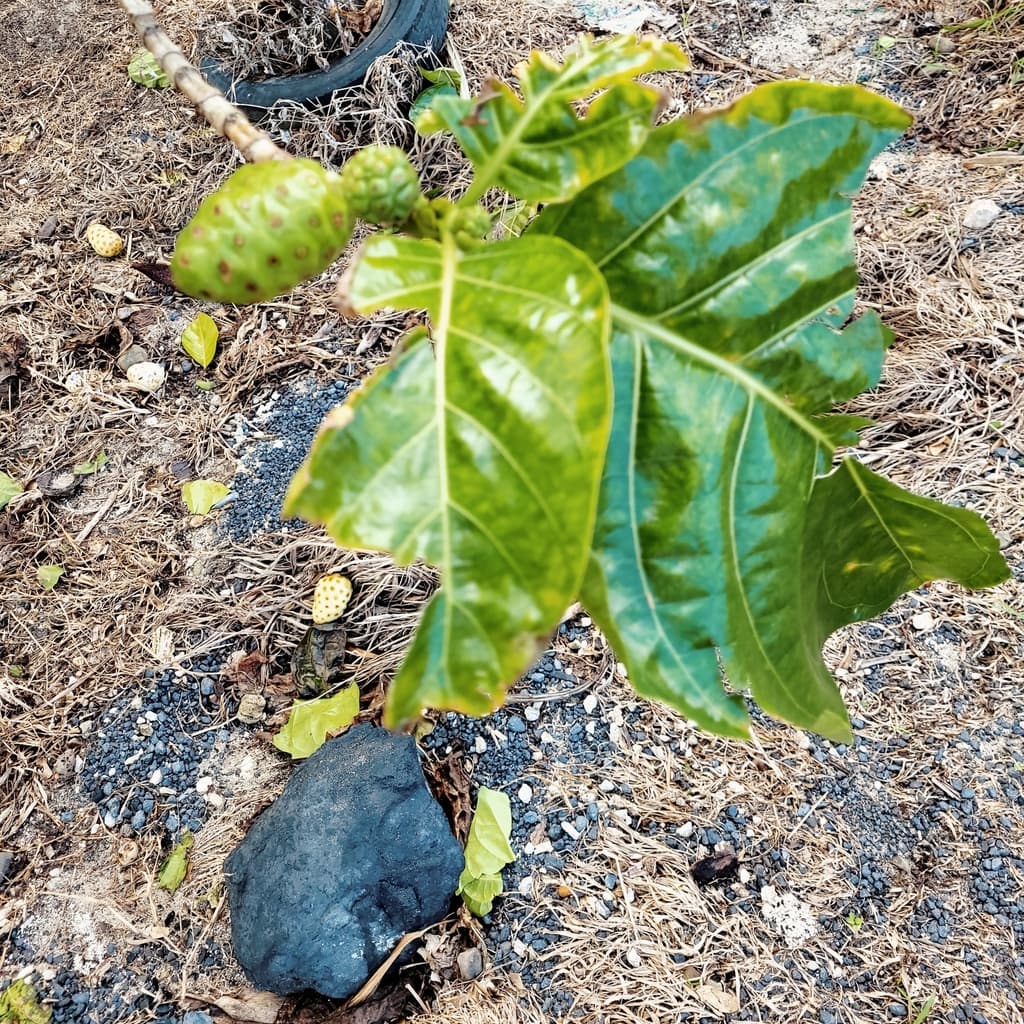
NoniAyurvedic
In vitro studies by Hiramatsu et al. (1993) identified damnacanthal as a potent inhibitor of ras function, stimulating significant interest in its anticancer potential. Subsequent cell-line studies have confirmed pro-apoptotic activity against lymphoma, breast, and colorectal cancer cells, though in vivo and human clinical data remain absent. Antimicrobial activity has been demonstrated against Staphylococcus aureus and Bacillus subtilis in disk diffusion assays.
Found In 1 Herb
3D Molecular Structure
Anthraquinone
Drag to rotate · Click atoms to explore
Damnacanthal
AnthraquinoneBioactive phytochemical with therapeutic properties
Representative pattern: C₄H₂NO
Atoms
Carbon
Oxygen
Nitrogen
Hydrogen
Related Compounds (Anthraquinone)
Live Research
This information is for educational purposes only and does not constitute medical advice. Always consult a qualified healthcare practitioner before using any herbal product.
These statements have not been evaluated by the Food and Drug Administration. This product is not intended to diagnose, treat, cure, or prevent any disease. This content is for educational purposes only and is not a substitute for professional medical advice.