Loading…
Back to Compound Explorer
Luteolin
In vitro / AnimalMechanism of Action
Anti-inflammatory via COX-2, iNOS, and NF-κB inhibition; mast cell stabilisation reduces histamine release; antiviral activity against influenza A and respiratory syncytial virus in vitro; antioxidant via direct ROS scavenging.
Antioxidant through free radical scavenging; inhibits hepatic inflammatory cascades via NF-kB and MAPK suppression
Well-characterised anti-inflammatory flavone with hepatoprotective and antioxidant activity; inhibits NF-κB and COX-2
Anti-inflammatory; inhibits pro-inflammatory cytokines relevant to gout
Anti-inflammatory through inhibition of NF-κB and pro-inflammatory cytokines; antiviral activity against respiratory pathogens
Potent anti-inflammatory flavone; inhibits histamine release and mast cell degranulation relevant to allergic eye and respiratory conditions
Anti-inflammatory via COX-2 and LOX inhibition, anti-allergic via mast cell stabilisation, antiviral, neuroprotective
Anti-inflammatory via direct inhibition of NF-κB transcription factor, suppression of TNF-α, IL-1β, IL-6, and COX-2 expression; neuroprotective via Nrf2 antioxidant pathway activation and MAPK modulation; inhibits mast cell degranulation (antiallergic); mild ACE inhibition (antihypertensive)
Anti-inflammatory and antioxidant flavone contributing to astringent and urinary protective actions
Anti-inflammatory and antioxidant flavone that supports tissue repair and reduces oxidative stress
Inhibits NF-kB and STAT3 signaling; suppresses pro-inflammatory cytokines (TNF-alpha, IL-6, IL-1beta); enhances hepatic antioxidant enzymes; anti-allergic through mast cell stabilization
Inhibits mast cell degranulation and histamine release by blocking intracellular calcium mobilization. Suppresses Th2 cytokine production (IL-4, IL-5, IL-13), skewing immune response away from allergic phenotype. Potent inhibition of NF-kB signaling and AP-1 transcription factor activation. Inhibits xanthine oxidase and reduces uric acid production. Crosses the blood-brain barrier and exhibits neuroprotective effects via inhibition of neuroinflammation and oxidative stress.
Anti-inflammatory flavone with antioxidant, antihistamine, and antispasmodic properties
Research Notes
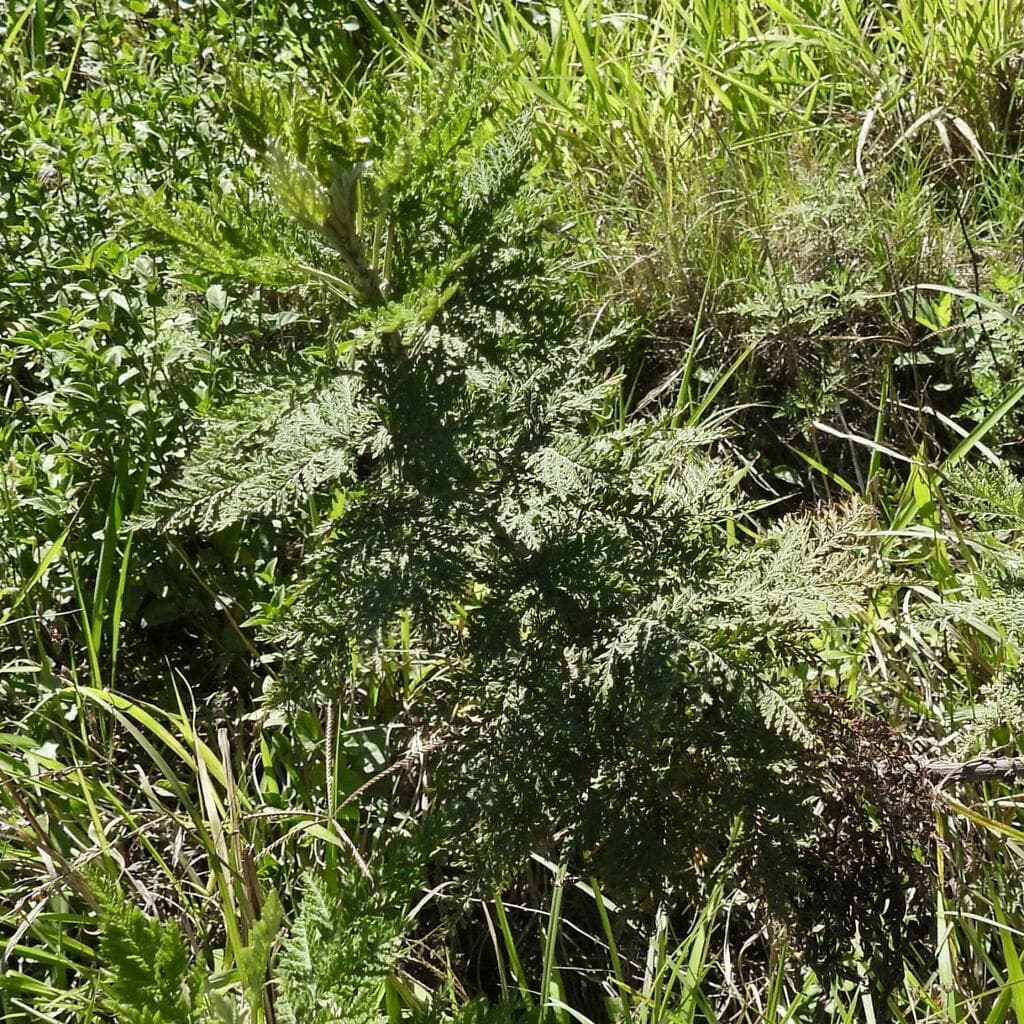
African WormwoodAfrican
Widely studied flavone present in many medicinal plants. Strong in vitro evidence for anti-inflammatory and antiviral effects. Bioavailability from A. afra preparations has not been specifically characterised.
Luteolin shows superior antioxidant capacity in TEAC and DPPH assays. Animal models demonstrate reduction in LPS-induced hepatic inflammation.
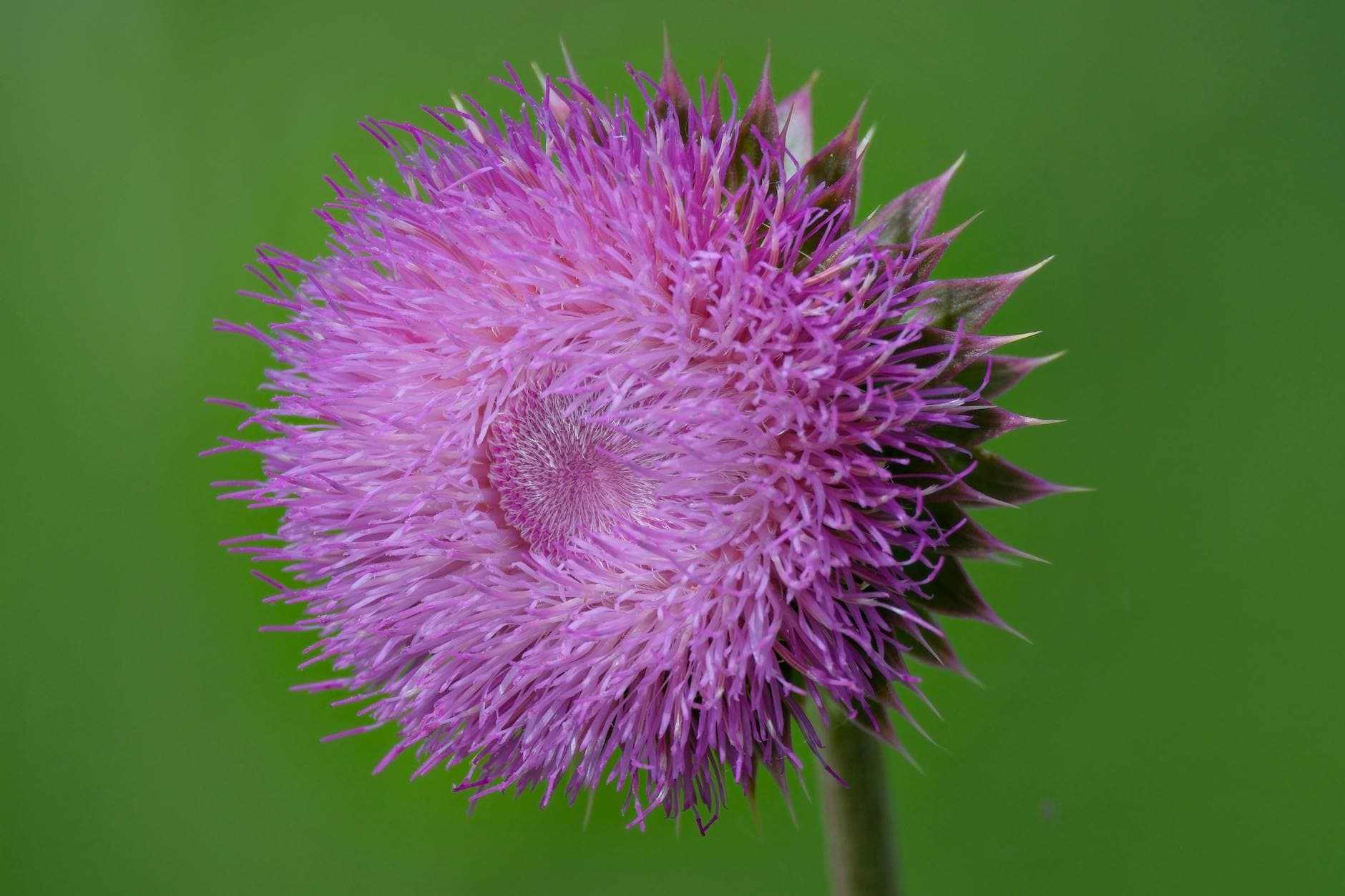
Cotton ThistleWestern
Luteolin is one of the most extensively studied anti-inflammatory flavones. Hepatoprotective activity documented in multiple preclinical models. Anti-inflammatory mechanism via NF-κB and COX-2 inhibition well established.
Dyer's BroomWestern
Strong preclinical evidence for anti-inflammatory activity.
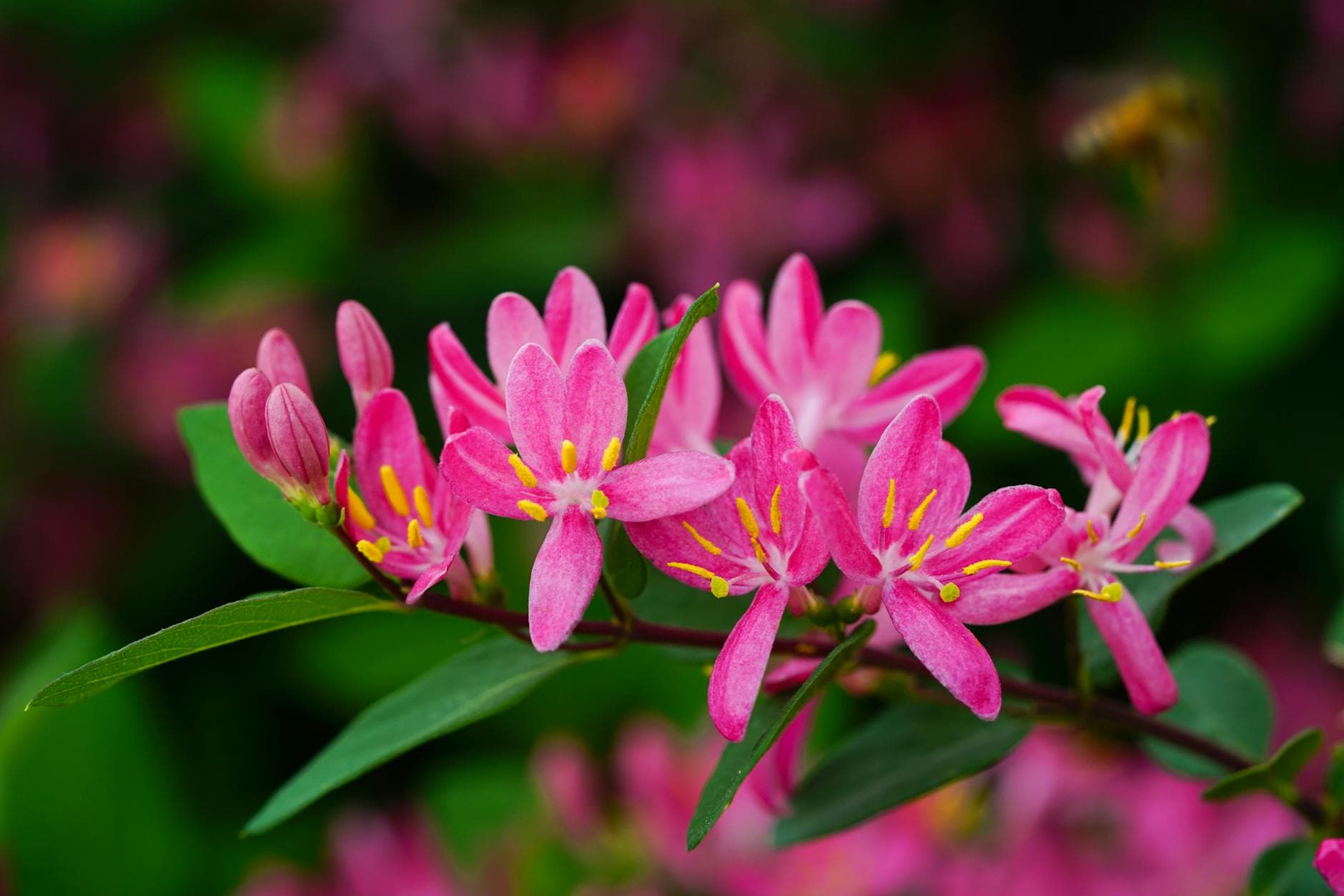
European HoneysuckleWestern
Extensively studied flavonoid with strong anti-inflammatory and antiviral activity in preclinical and in vitro studies.
EyebrightWestern
Luteolin demonstrates antihistamine and anti-inflammatory activity across multiple in vitro and animal models. Relevant to allergic conjunctivitis and rhinitis applications.
Mast cell stabilisation comparable to cromoglycate in vitro. Neuroprotective in Alzheimer's models. Anti-inflammatory in asthma models via eosinophil suppression.
Ju Hua (菊花)TCM
Luteolin is among the most extensively researched natural flavones. Consistent anti-inflammatory effects documented across dozens of in vitro and in vivo models. Neuroprotective activity established in rodent ischemic stroke models with reduced infarct volume and improved neurological scores. Human bioavailability studies confirm systemic absorption. Clinical trials specifically for chrysanthemum-derived luteolin are limited; most evidence is from isolated compound or combined formula studies.
Lady's BedstrawWestern
Well-studied flavone with documented anti-inflammatory and antioxidant activity.
Marsh WoundwortWestern
Well-characterized flavone with strong anti-inflammatory, antioxidant, and antihistamine activity.
ParsleyWestern
Luteolin has demonstrated anti-inflammatory, neuroprotective, and hepatoprotective effects in numerous preclinical studies. Clinical evidence supports anti-inflammatory effects in allergic conditions. Synergistic activity with apigenin has been documented in vitro.
Anti-allergic effects validated in OVA-sensitized mouse models of allergic airway inflammation — reduced eosinophil infiltration, mucus production, and Th2 cytokines (Jang et al., 2010). Neuroprotective effects in Alzheimer's models — reduced amyloid-beta-induced toxicity and neuroinflammation in vitro and in vivo. Anti-cancer effects in multiple cancer cell lines via apoptosis induction and cell cycle arrest. Low oral bioavailability limits direct clinical translation — typically consumed as part of whole-herb preparations.
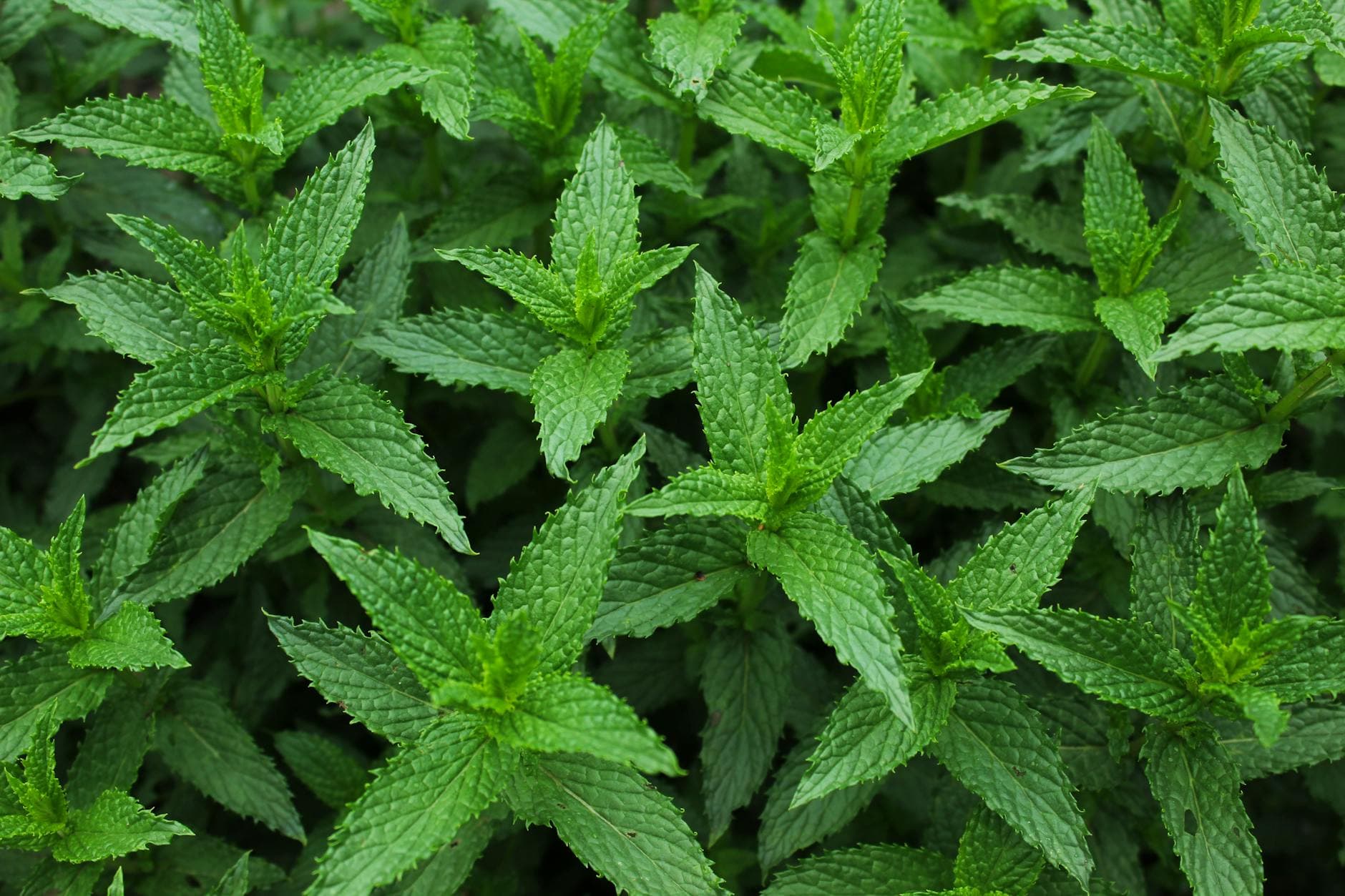
SpearmintWestern
Well-characterized flavone with broad anti-inflammatory and antioxidant activity.
Found In 13 Herbs



3D Molecular Structure
Flavone
Drag to rotate · Click atoms to explore
Luteolin
FlavoneBioactive phytochemical with therapeutic properties
Representative pattern: C₁₅H₁₀O₃
Atoms
Carbon
Oxygen
Related Compounds (Flavone)
Live Research
This information is for educational purposes only and does not constitute medical advice. Always consult a qualified healthcare practitioner before using any herbal product.
These statements have not been evaluated by the Food and Drug Administration. This product is not intended to diagnose, treat, cure, or prevent any disease. This content is for educational purposes only and is not a substitute for professional medical advice.