Loading…
Back to Compound Explorer
Beta-1,3/1,6-Glucans
PreliminaryMechanism of Action
Beta-glucans from Agarikon are recognized by pattern recognition receptors on innate immune cells: Dectin-1, complement receptor type 3 (CR3), and TLR-2/6 on macrophages, neutrophils, monocytes, natural killer cells, and dendritic cells. Receptor binding triggers activation of both innate and acquired immunity pathways, including TNF-α and interferon production, complement system activation, and enhanced antitumor immunity through NK cell cytotoxicity. The combination of water-soluble beta-glucans with lipophilic triterpenoids and chlorinated coumarins creates multi-pathway immune activation unique to Agarikon.
Research Notes
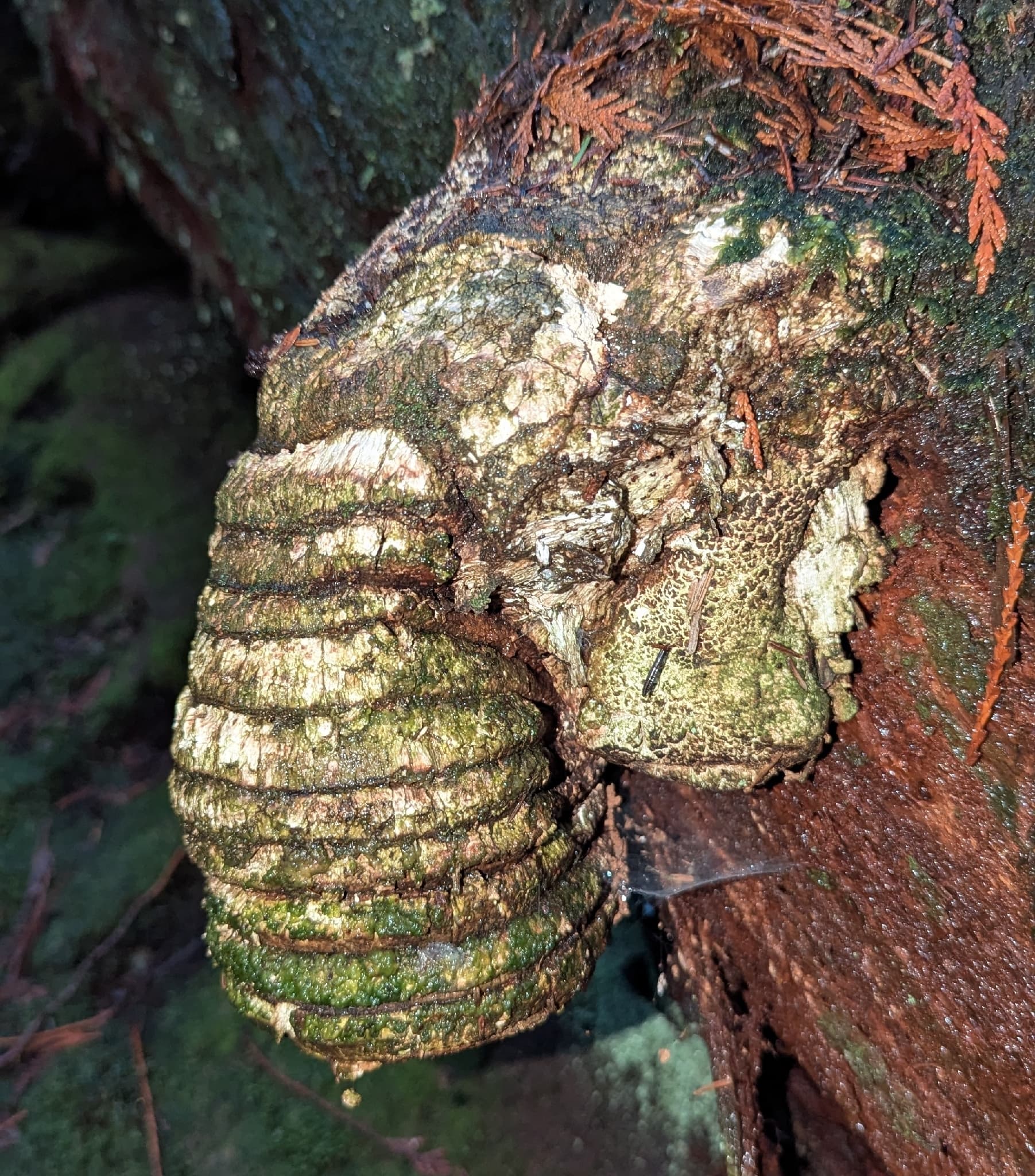
AgarikonMushroom
Immunological studies confirmed Dectin-1 and CR3 receptor-mediated immune activation by Agarikon polysaccharides in macrophage and dendritic cell cultures. NK cell cytotoxicity enhancement demonstrated in vitro. The December 2020 FDA Phase 1 safety trial of a 50/50 Agarikon-Turkey Tail blend for COVID-19 applications represents the first formal human safety evaluation. Comprehensive human efficacy trials have not been completed.
Found In 1 Herb
3D Molecular Structure
Polysaccharide (beta-glucan)
Drag to rotate · Click atoms to explore
Beta-1,3/1,6-Glucans
Polysaccharide (beta-glucan)Complex carbohydrate polymers that modulate immune response
Representative pattern: (C₆H₁₀O₅)ₙ
Atoms
Carbon
Oxygen
Related Compounds (Polysaccharide (beta-glucan))
Live Research
This information is for educational purposes only and does not constitute medical advice. Always consult a qualified healthcare practitioner before using any herbal product.
These statements have not been evaluated by the Food and Drug Administration. This product is not intended to diagnose, treat, cure, or prevent any disease. This content is for educational purposes only and is not a substitute for professional medical advice.