Loading…
Back to Compound Explorer
Aucubin
Clinical trialMechanism of Action
Primary anti-inflammatory and hepatoprotective iridoid; also demonstrates mild diuretic, antiviral, and antioxidant activity; well-characterised in the Plantaginaceae family
Anti-hypertensive via endothelial NO production; hepatoprotective; anti-inflammatory; collagen synthesis promotion
Major iridoid glycoside; exhibits anti-inflammatory activity and protects mucosal integrity in ophthalmic and respiratory tissues
Anti-inflammatory and hepatoprotective activity documented in other plant contexts; contributes to overall iridoid glycoside load
Anti-inflammatory through NF-kB inhibition; hepatoprotective; antimicrobial against gram-positive bacteria
Anti-inflammatory; hepatoprotective; antimicrobial
Anti-inflammatory via NF-kB inhibition; hepatoprotective; antimicrobial
Hepatoprotective; anti-inflammatory; promotes wound healing; antimicrobial
Research Notes
BrooklimeWestern
Aucubin is extensively studied in Plantago and related genera. Anti-inflammatory, hepatoprotective, and antimicrobial activity documented in multiple preclinical models. Specific studies on Veronica beccabunga aucubin are limited but class pharmacology is well established.
Aucubin is the primary iridoid in Eucommia bark. Clinical trials demonstrate blood pressure reduction and improvements in lower back pain.
EyebrightWestern
Aucubin is a well-characterised iridoid with demonstrated anti-inflammatory effects in multiple tissue models. Protects mucosal integrity and has shown hepatoprotective properties in related studies.
Hedge HyssopWestern
Well-studied iridoid with anti-inflammatory, hepatoprotective, and antimicrobial activity in preclinical models.
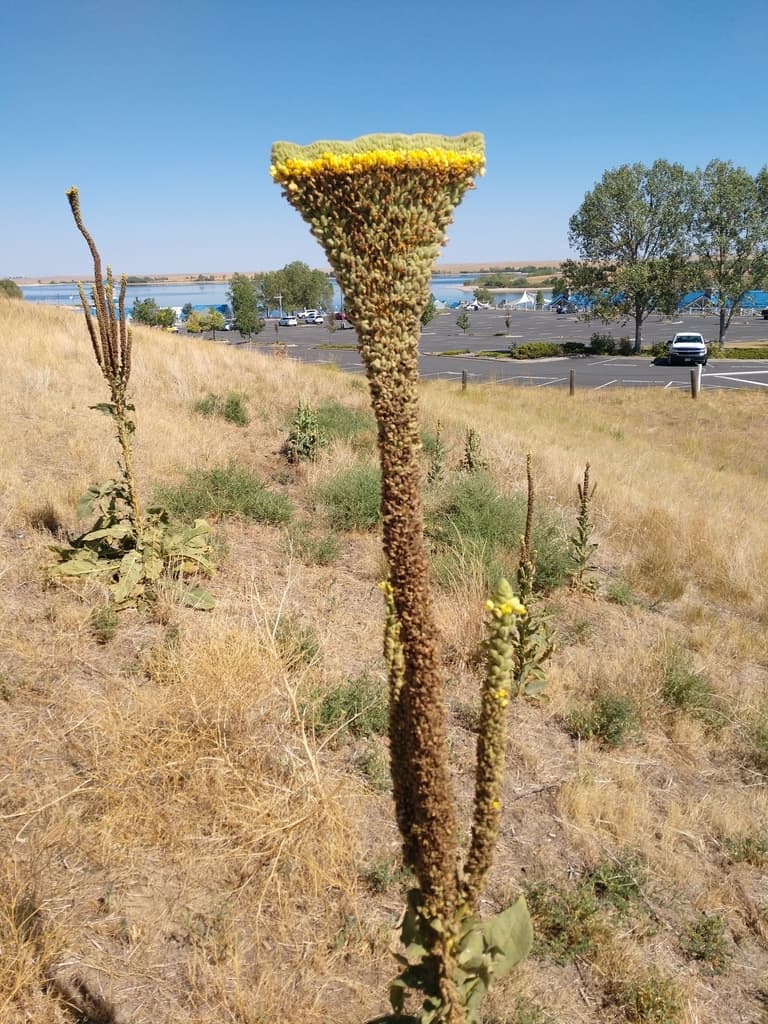
MulleinWestern
Aucubin demonstrates broad anti-inflammatory activity. In vitro studies confirm activity against Staphylococcus aureus and Streptococcus species relevant to ear and respiratory infections.
PedicularisWestern
Anti-inflammatory via NF-kB inhibition in animal models; hepatoprotective; found in multiple plant genera (Plantago, Verbascum, Pedicularis)
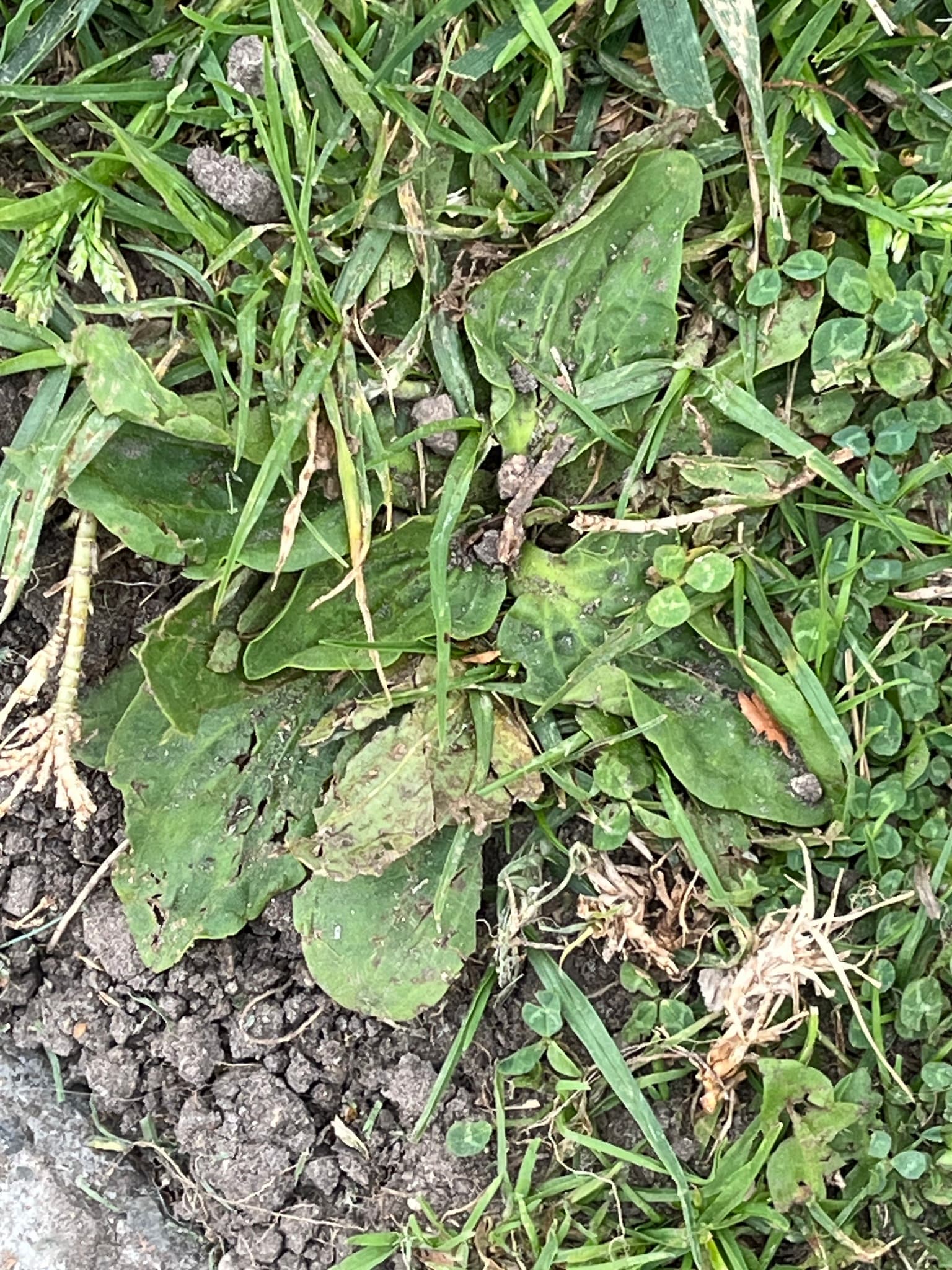
PlantainWestern
Aucubin from plantain demonstrates significant anti-inflammatory and antimicrobial activity, supporting traditional use as a wound herb and respiratory demulcent.
Aucubin provides hepatoprotective and anti-inflammatory effects. Raw form retains higher iridoid content supporting heat-clearing and blood-cooling applications.
Found In 8 Herbs

3D Molecular Structure
Iridoid Glycoside
Drag to rotate · Click atoms to explore
Aucubin
Iridoid GlycosideSugar-bound molecules that control drug release in the body
Representative pattern: C₁₁H₁₄O₆
Atoms
Carbon
Oxygen
Related Compounds (Iridoid Glycoside)
Live Research
This information is for educational purposes only and does not constitute medical advice. Always consult a qualified healthcare practitioner before using any herbal product.
These statements have not been evaluated by the Food and Drug Administration. This product is not intended to diagnose, treat, cure, or prevent any disease. This content is for educational purposes only and is not a substitute for professional medical advice.