Loading…
Back to Compound Explorer
Ursolic acid
Clinical trialMechanism of Action
Anti-inflammatory and diuretic; inhibits cyclooxygenase and lipoxygenase
Anti-inflammatory via COX-2 and 5-LOX inhibition; anti-hyperglycemic through PPAR-alpha activation; hepatoprotective
Ursolic acid exerts anti-inflammatory effects by inhibiting NF-kB and COX-2 signaling pathways, reducing production of pro-inflammatory cytokines TNF-alpha, IL-1beta, and IL-6. It also activates the Nrf2/ARE antioxidant pathway, upregulating expression of heme oxygenase-1 (HO-1) and superoxide dismutase. In airway tissues, it suppresses mucin gene MUC5AC expression and reduces goblet cell hyperplasia, contributing to its expectorant and anti-tussive effects.
Anti-inflammatory, antidiabetic, and hepatoprotective triterpene concentrated in the peel
Anti-tumor via apoptosis induction and angiogenesis inhibition; anti-inflammatory through NF-kB suppression
Inhibits HMG-CoA reductase (hypolipidemic); anti-inflammatory via NF-κB, COX-2, and 5-LOX inhibition; pro-apoptotic in cancer cell lines; stimulates lipase activity (supports digestive action of Shan Zha)
Research Notes
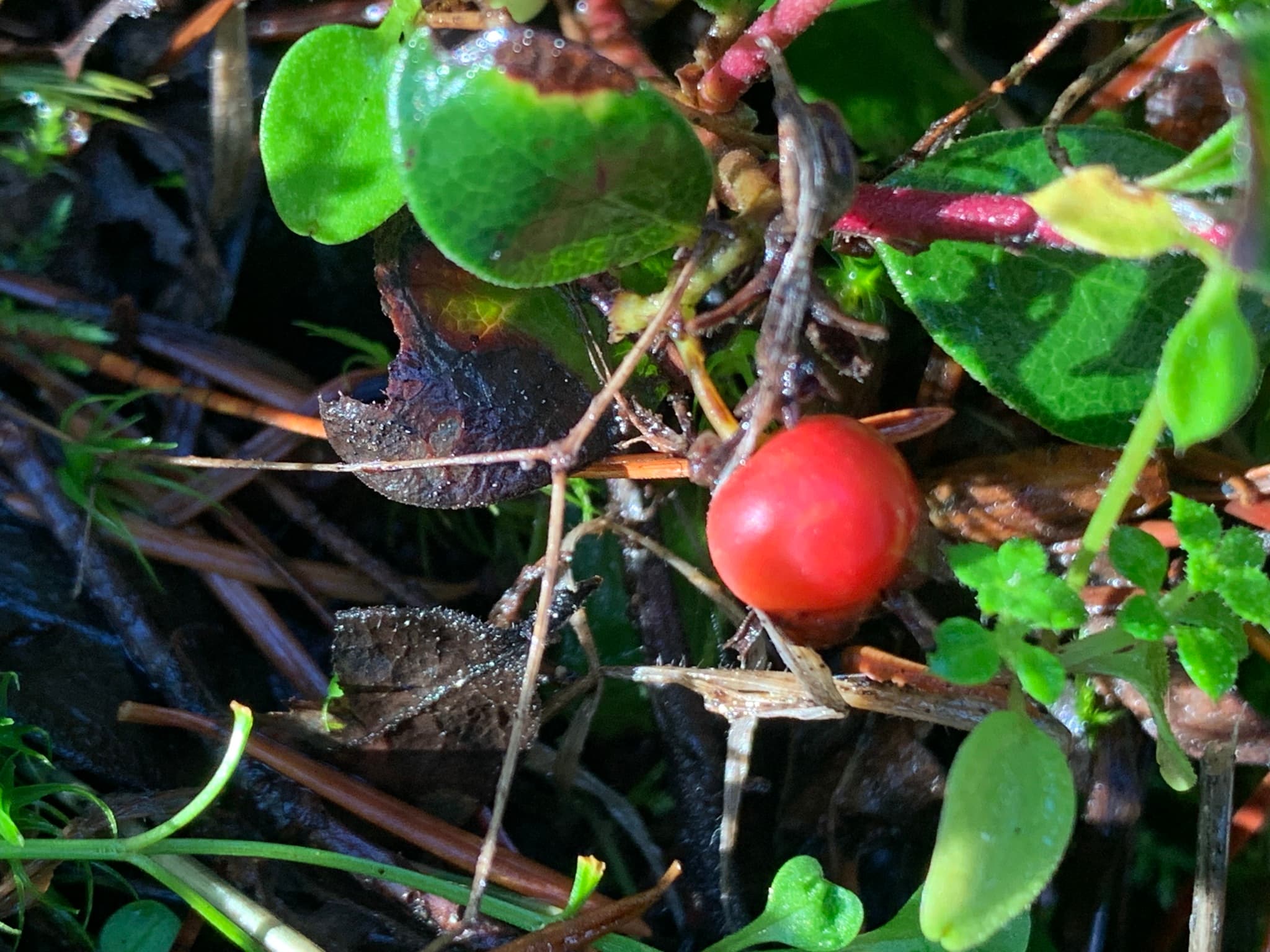
Bearberry (Uva Ursi)Western
Ursolic acid contributes anti-inflammatory and mild diuretic effects, supporting uva ursi's use for urinary tract inflammation.
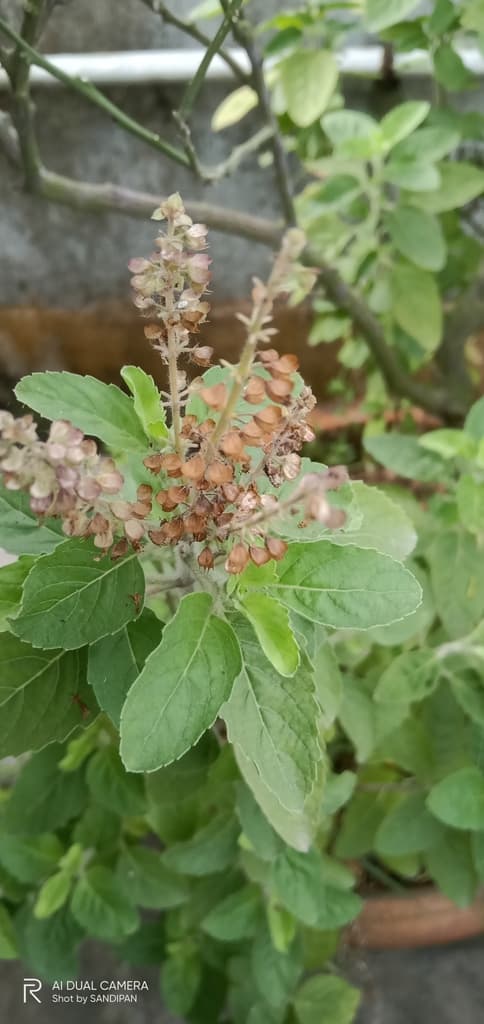
Holy Basil (Tulsi)Ayurvedic
Ursolic acid contributes to holy basil adaptogenic and metabolic effects. Animal studies demonstrate anti-diabetic, hepatoprotective, and anti-inflammatory activity.
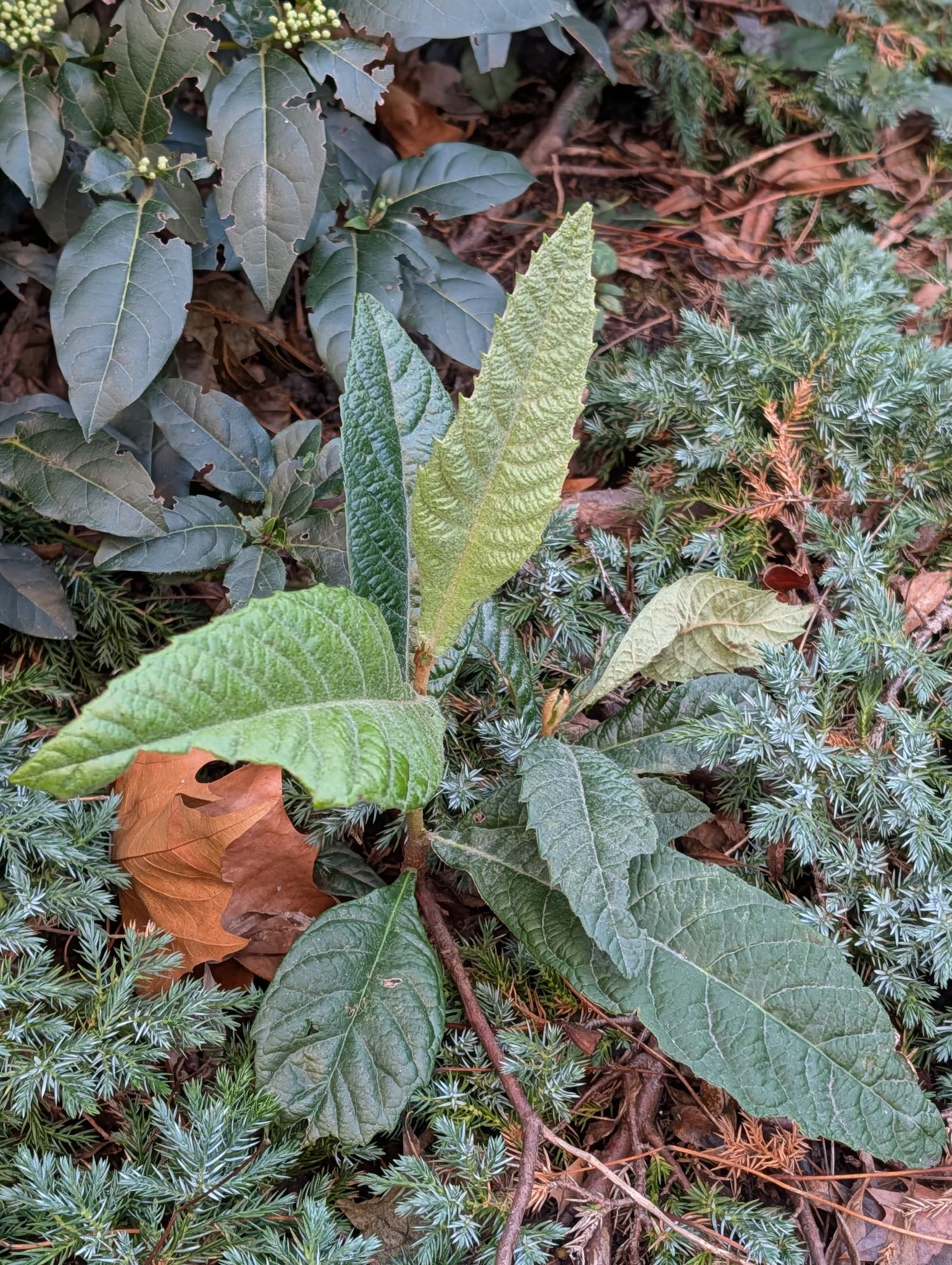
A 2019 study in the Journal of Ethnopharmacology demonstrated that ursolic acid-enriched loquat leaf extract significantly reduced cough frequency in a guinea pig citric acid-induced cough model at doses of 50–200 mg/kg. In vitro studies have shown ursolic acid inhibits LPS-induced inflammatory mediator production in RAW 264.7 macrophages at concentrations of 10–40 uM. Multiple animal studies confirm anti-diabetic effects through enhancement of insulin sensitivity via AMPK activation and GLUT4 translocation.
MedlarWestern
Extensively studied triterpene with anti-inflammatory, antidiabetic, and hepatoprotective activity in preclinical and some clinical studies.
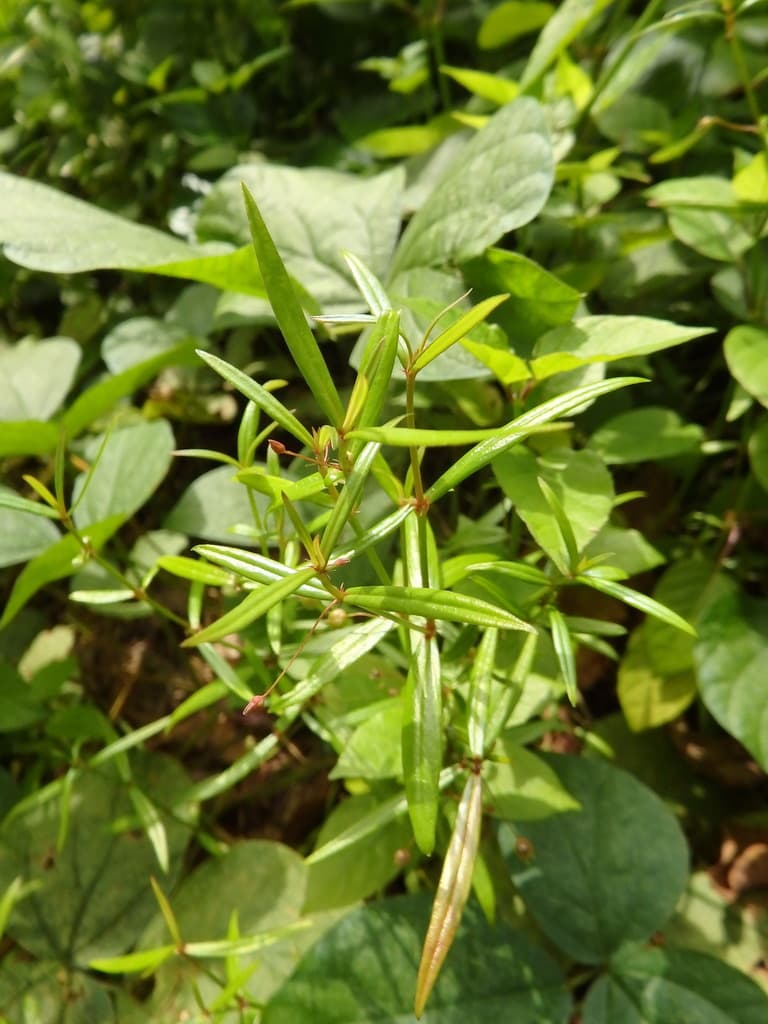
Ursolic acid is a major triterpenoid with extensive anti-tumor studies. Used clinically in China as adjunct cancer therapy.
Ursolic acid in hawthorn contributes to the herb's lipid-lowering profile with complementary mechanism to OPCs. Lipase stimulation in vitro supports the traditional use for meat and fat digestion. Anti-cancer and anti-inflammatory effects well-established in preclinical studies, though clinical translation remains limited.
Found In 6 Herbs

3D Molecular Structure
Pentacyclic triterpenoid
Drag to rotate · Click atoms to explore
Ursolic acid
Pentacyclic triterpenoidModified terpenes with diverse biological activities
Representative pattern: C₁₀H₁₆O
Atoms
Carbon
Oxygen
Hydrogen
Related Compounds (Pentacyclic triterpenoid)
Live Research
This information is for educational purposes only and does not constitute medical advice. Always consult a qualified healthcare practitioner before using any herbal product.
These statements have not been evaluated by the Food and Drug Administration. This product is not intended to diagnose, treat, cure, or prevent any disease. This content is for educational purposes only and is not a substitute for professional medical advice.