Loading…
Back to Compound Explorer
Oleanolic acid
Clinical trialMechanism of Action
Inhibits NF-kB and COX-2 pathways; hepatoprotective through Nrf2 activation and antioxidant enzyme induction
Hepatoprotective via induction of Nrf2-mediated antioxidant response element (ARE) genes including glutathione-S-transferase and heme oxygenase-1; inhibits HMG-CoA reductase and PCSK9, contributing to lipid-lowering activity; anti-inflammatory via AP-1 and NF-κB pathway inhibition.
Hepatoprotective; anti-inflammatory; immunomodulatory; supports liver-kidney yin
Oleanolic acid provides hepatoprotective effects through activation of the Nrf2 antioxidant response pathway and inhibition of hepatic stellate cell activation, reducing fibrogenesis. It inhibits alpha-glucosidase and alpha-amylase enzymes in the gastrointestinal tract, slowing carbohydrate digestion and postprandial glucose spikes. The compound also demonstrates anti-inflammatory activity through suppression of iNOS and COX-2 gene expression via MAPK and NF-kB pathway modulation.
Hepatoprotective; anti-inflammatory; anti-tumor via caspase activation
Hepatoprotective; anti-inflammatory; antimicrobial
Research Notes
Widely studied triterpenoid with demonstrated anti-inflammatory, hepatoprotective, and anti-tumor properties in preclinical models. Clinical evidence supports liver-protective effects in chronic hepatitis.
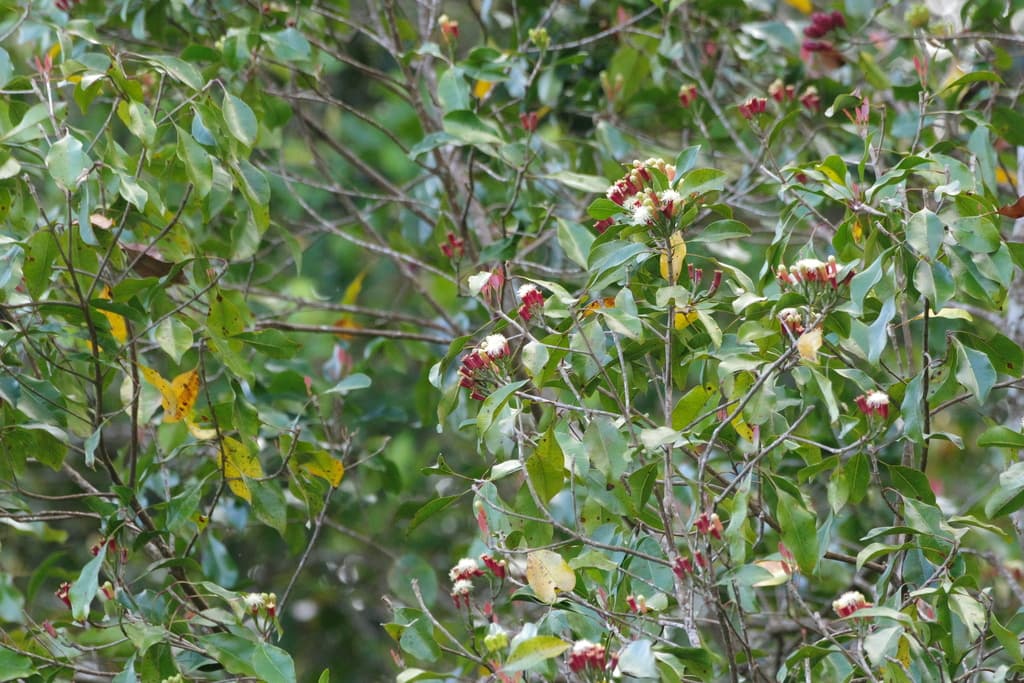
CloveWestern
In vitro studies demonstrate significant hepatocyte protection against CCl4 and acetaminophen toxicity. Animal models show cholesterol-lowering equivalent to statin comparators at 50 mg/kg doses. Human clinical data as an isolated compound is limited, but oleanolic acid-enriched clove extracts show improved lipid parameters in preliminary human studies.
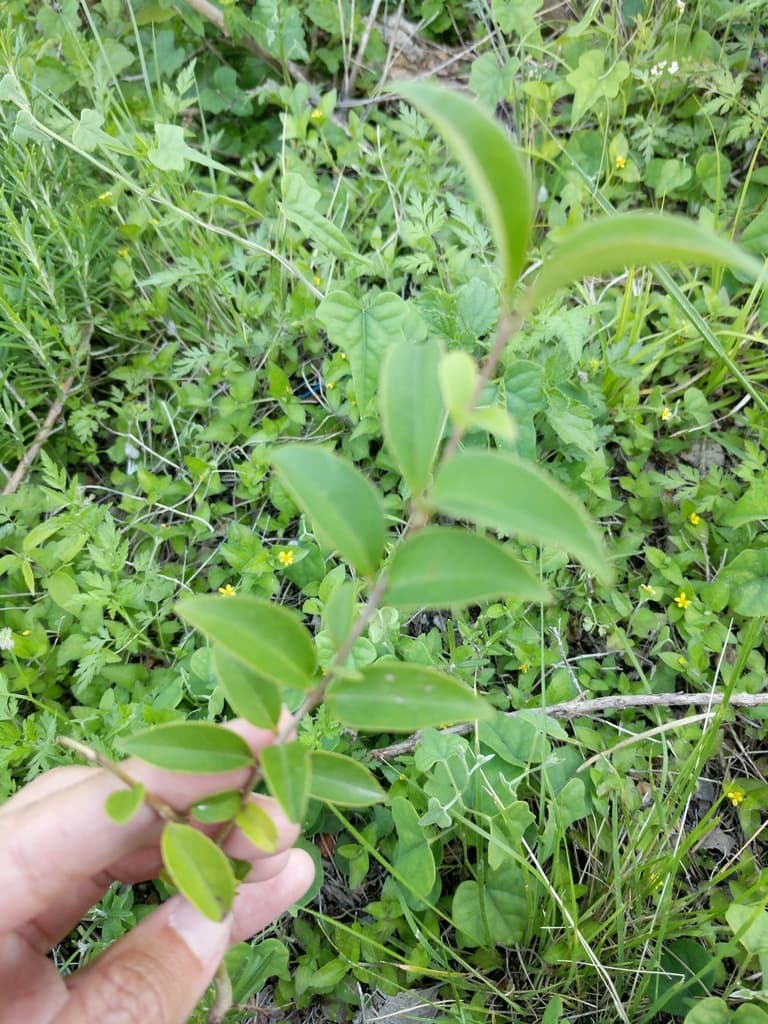
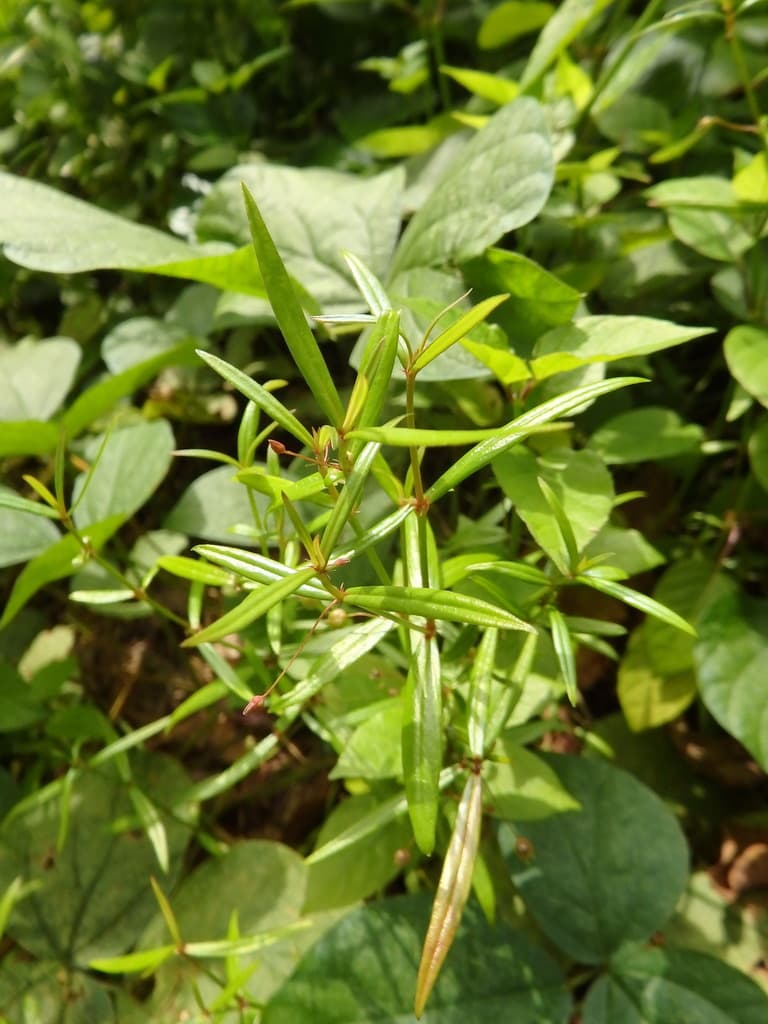
Oleanolic acid is a major triterpenoid in Ligustrum lucidum. Clinical trials in China demonstrate hepatoprotective effects in chronic hepatitis.
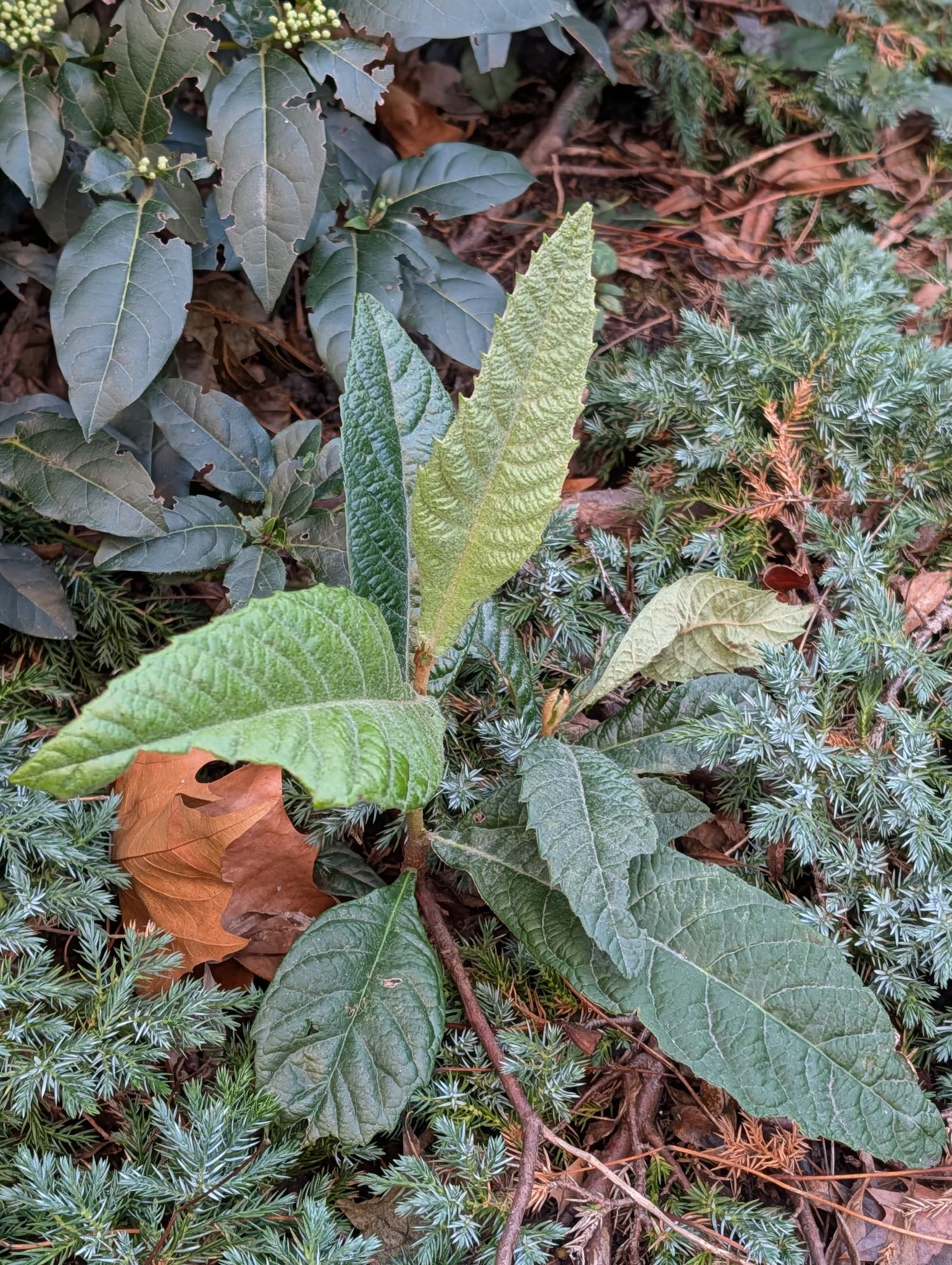
Oleanolic acid has been studied extensively for hepatoprotective activity, with a randomized controlled trial in China demonstrating significant reductions in ALT and AST liver enzymes in patients with chemical liver injury when administered at 60 mg three times daily for 12 weeks. In vitro and animal studies confirm potent alpha-glucosidase inhibitory activity (IC50 approximately 10 uM), supporting traditional use of loquat leaf decoctions for managing blood glucose levels.
Oleanolic acid complements ursolic acid for anti-tumor and hepatoprotective effects. Clinical use in China for hepatitis is well-documented.
Oleanolic acid contributes hepatoprotective and anti-inflammatory effects. Animal studies support efficacy against acute appendicitis models.
Found In 6 Herbs
3D Molecular Structure
Pentacyclic triterpenoid
Drag to rotate · Click atoms to explore
Oleanolic acid
Pentacyclic triterpenoidModified terpenes with diverse biological activities
Representative pattern: C₁₀H₁₆O
Atoms
Carbon
Oxygen
Hydrogen
Related Compounds (Pentacyclic triterpenoid)
Live Research
This information is for educational purposes only and does not constitute medical advice. Always consult a qualified healthcare practitioner before using any herbal product.
These statements have not been evaluated by the Food and Drug Administration. This product is not intended to diagnose, treat, cure, or prevent any disease. This content is for educational purposes only and is not a substitute for professional medical advice.