Loading…
Back to Compound Explorer
Terpinen-4-ol
In vitro / AnimalMechanism of Action
Urinary antiseptic concentrated in renal tissue; increases glomerular filtration rate; anti-inflammatory on bladder mucosa
Disrupts microbial membrane lipid bilayer integrity causing cell lysis; inhibits LPS-induced NF-κB activation reducing IL-6, IL-8, and TNF-α in macrophages; calcium channel antagonism in intestinal smooth muscle produces antispasmodic effects; modulates mast cell degranulation reducing histamine release in allergic responses
Terpinen-4-ol is the primary antimicrobial constituent of tea tree oil, acting by disrupting bacterial and fungal cell membrane integrity. It compromises membrane permeability by intercalating into the lipid bilayer, causing leakage of intracellular potassium ions (K+) and other cytoplasmic contents, loss of chemiosmotic control, and inhibition of glucose-dependent respiration. Against fungi (particularly Candida albicans), it inhibits ergosterol biosynthesis and disrupts membrane-bound enzyme function. It also demonstrates immunomodulatory activity by suppressing the production of pro-inflammatory mediators TNF-α, IL-1β, IL-8, and prostaglandin E2 (PGE2) from activated monocytes via inhibition of NF-κB signaling, while simultaneously enhancing monocyte differentiation.
Research Notes
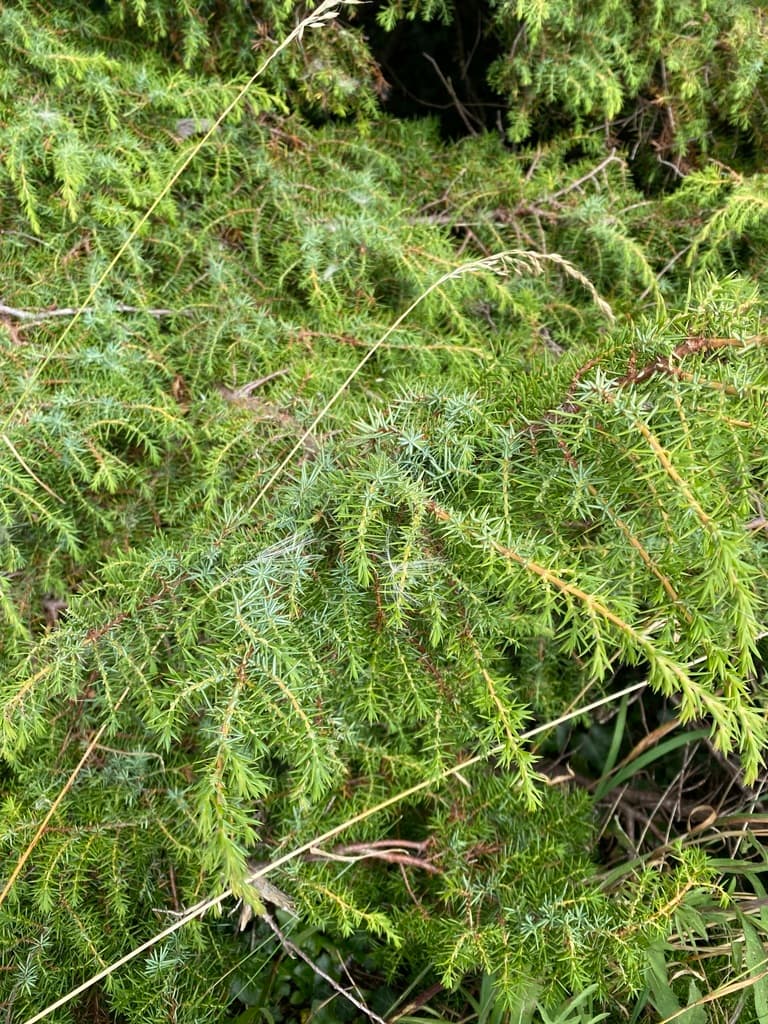
Juniper BerryWestern
Terpinen-4-ol is the primary diuretic and antiseptic compound. It concentrates in kidney tissue and demonstrates antimicrobial activity against common urinary pathogens.
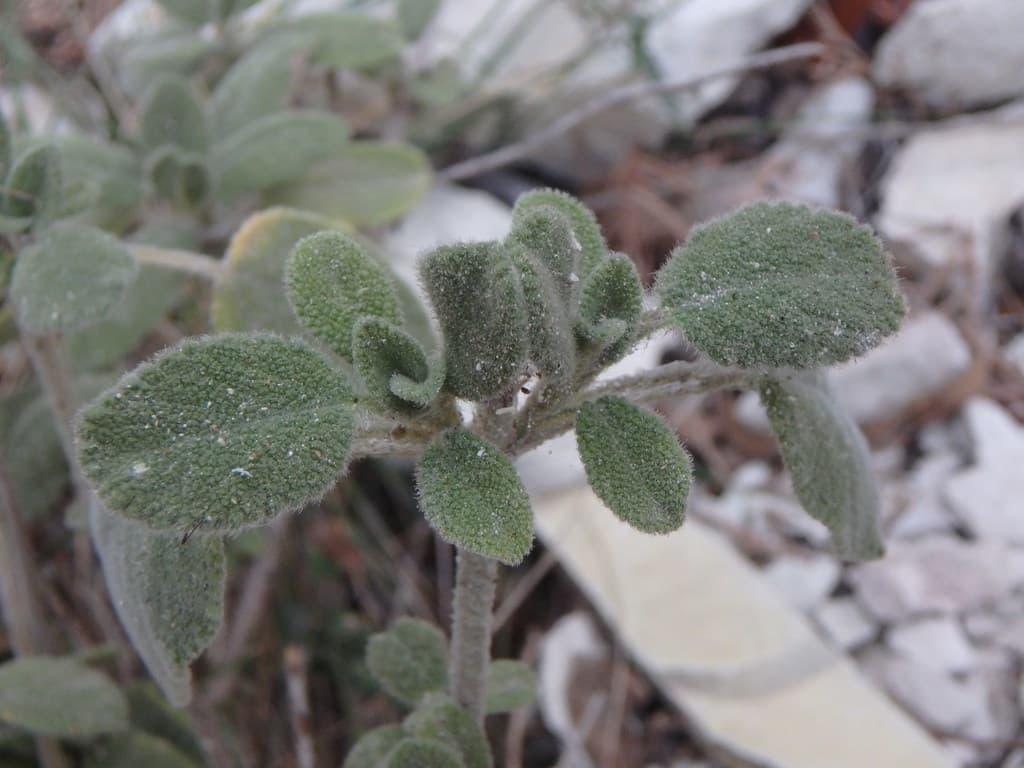
MarjoramWestern
Antimicrobial mechanism shared with tea tree oil and extensively validated across hundreds of independent studies. Anti-inflammatory activity confirmed in macrophage activation models with IC50 comparable to prednisolone. Spasmolytic effects demonstrated in isolated rat ileum and human colon preparations.
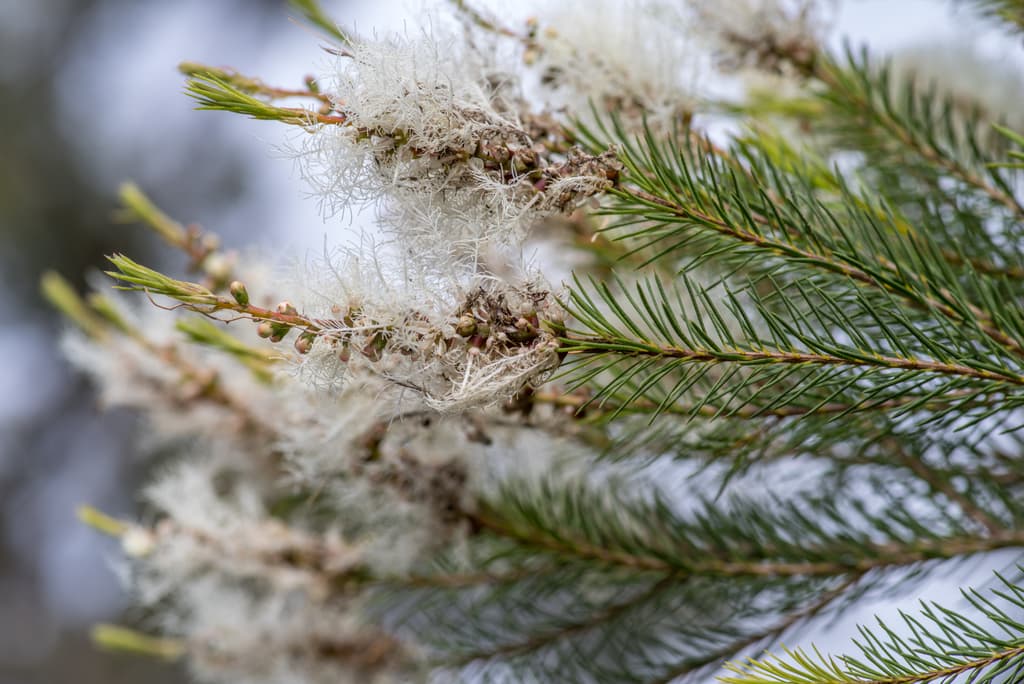
Tea TreeWestern
A landmark 1990 randomized controlled trial by Bassett et al. published in the Medical Journal of Australia demonstrated that 5% TTO gel was comparable in efficacy to 5% benzoyl peroxide for acne vulgaris, with significantly fewer side effects. Multiple in vitro studies confirm terpinen-4-ol as the most potent antimicrobial fraction of TTO, with MIC values of 0.06-0.5% (v/v) against MRSA, vancomycin-resistant enterococci (VRE), and Candida species. A 2013 systematic review in the International Journal of Antimicrobial Agents confirmed broad-spectrum activity across gram-positive and gram-negative bacteria, dermatophytes, and yeasts.
Found In 3 Herbs
3D Molecular Structure
Monoterpene alcohol
Drag to rotate · Click atoms to explore
Terpinen-4-ol
Monoterpene alcoholAromatic plant metabolites with anti-inflammatory properties
Representative pattern: C₁₀H₁₆O
Atoms
Carbon
Oxygen
Hydrogen
Related Compounds (Monoterpene alcohol)
Live Research
This information is for educational purposes only and does not constitute medical advice. Always consult a qualified healthcare practitioner before using any herbal product.
These statements have not been evaluated by the Food and Drug Administration. This product is not intended to diagnose, treat, cure, or prevent any disease. This content is for educational purposes only and is not a substitute for professional medical advice.