Loading…
Back to Compound Explorer
Linalool
Clinical trialMechanism of Action
Anxiolytic and antispasmodic activity via GABA-A receptor modulation; mild sedative; dominant in sweet basil chemotype
Antimicrobial, antifungal (including Candida albicans), and sedative activity; modulates GABA-A receptors
Positive allosteric modulation of GABA-A receptors (preferential α2/α3 subunit selectivity producing anxiolysis without sedation-tolerance); NMDA glutamate receptor antagonism providing neuroprotective and anticonvulsant effects; 5-HT1A serotonin receptor partial agonism contributing to anxiolytic and antidepressant activity; acetylcholinesterase inhibition potentially relevant to cognitive function; calcium channel blockade producing antispasmodic and antihypertensive effects; anti-inflammatory through NF-κB suppression and COX-2 inhibition.
Modulates GABA-A receptors and voltage-gated calcium channels; reduces glutamate release in cortical synapses
Research Notes
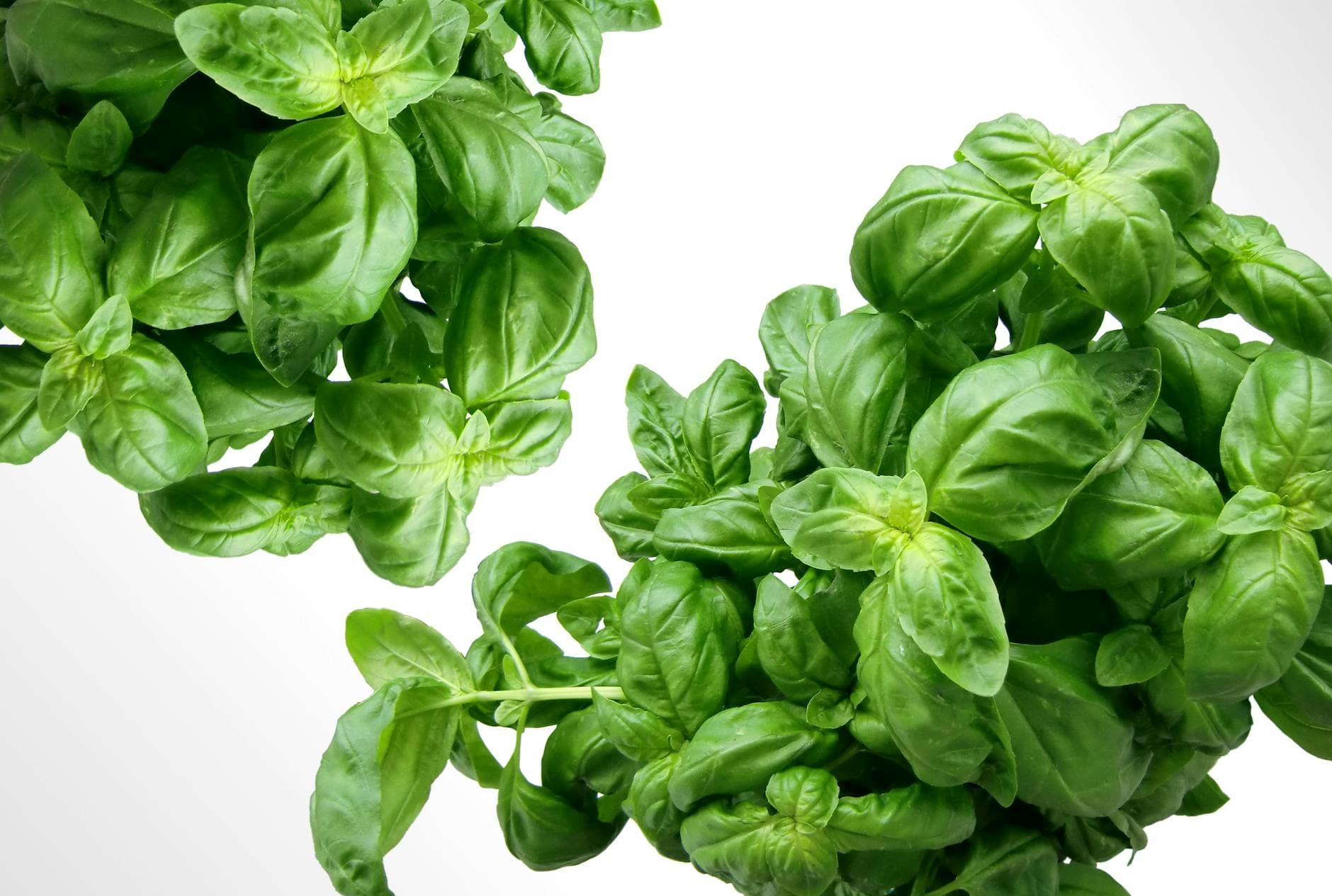
BasilWestern
GABA-A receptor modulation demonstrated in animal models. Anxiolytic effects confirmed in inhalation studies. Antispasmodic activity on smooth muscle documented in vitro.
Clary SageWestern
Antimicrobial activity including anti-Candida effects confirmed in vitro. GABA-A receptor modulation demonstrated in animal models. Sedative effects documented in inhalation studies.
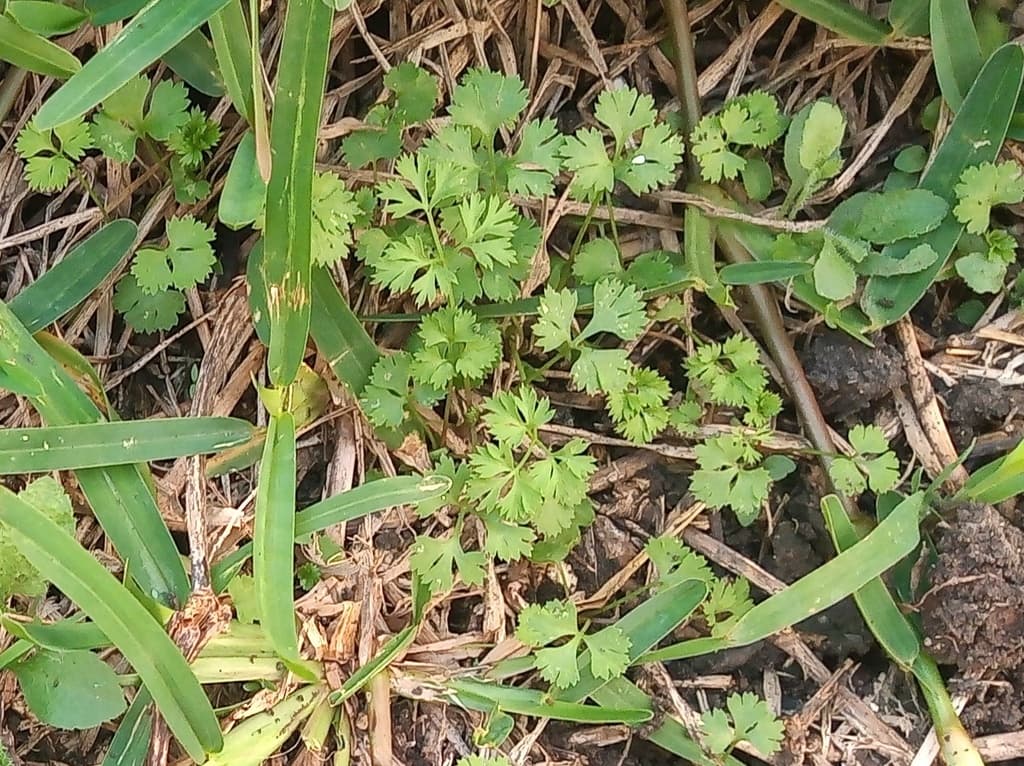
Coriander SeedWestern
Linalool is extensively studied with multiple mechanisms confirmed in vitro and in vivo. Animal studies consistently demonstrate anxiolytic activity equivalent to diazepam at 1 mg/kg without sedation or motor impairment, attributed to selective GABA-A α2/α3 engagement. NMDA antagonism confirmed in electrophysiological studies with EC50 in the low millimolar range. Anticholinesterase activity validated in kinetic assays. A 2015 human pilot trial of coriander extract demonstrated significant anxiety reduction; larger controlled trials are needed.
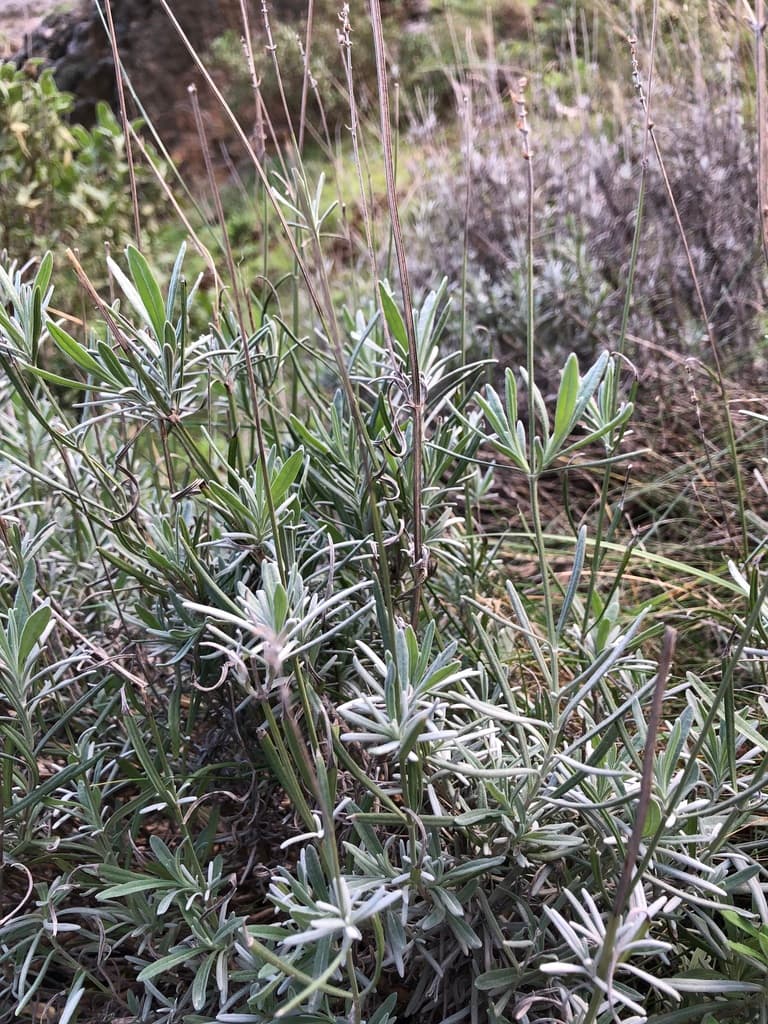
LavenderWestern
Linalool demonstrates anxiolytic activity in multiple clinical trials. The compound inhibits glutamatergic neurotransmission and enhances GABAergic signalling, producing dose-dependent anti-anxiety effects without motor impairment.
Found In 4 Herbs

3D Molecular Structure
Monoterpene Alcohol
Drag to rotate · Click atoms to explore
Linalool
Monoterpene AlcoholAromatic plant metabolites with anti-inflammatory properties
Representative pattern: C₁₀H₁₆O
Atoms
Carbon
Oxygen
Hydrogen
Related Compounds (Monoterpene Alcohol)
Live Research
This information is for educational purposes only and does not constitute medical advice. Always consult a qualified healthcare practitioner before using any herbal product.
These statements have not been evaluated by the Food and Drug Administration. This product is not intended to diagnose, treat, cure, or prevent any disease. This content is for educational purposes only and is not a substitute for professional medical advice.