Loading…
Back to Compound Explorer




Tannins
In vitroMechanism of Action
Astringent compounds that reduce exudate and support tissue contraction in wound healing
Principal astringent constituents in bark, berries, and leaves; responsible for binding action on mucous membranes and hemostatic effect
Astringent polyphenols contributing mild anti-inflammatory, haemostatic, and mucosal-tightening activity
Anti-inflammatory through astringent and antioxidant actions; may reduce tissue inflammation and pain
Primary astringent constituents; responsible for haemostatic and wound-binding activity
Astringent and haemostatic activity; supports wound binding and reduced bleeding
Astringent and haemostatic activity; contributes to antidiarrheal and anti-hemorrhagic effects
Astringent action on respiratory tissues
Astringent action; staunches wound bleeding
Astringent; digestive toning effects
Astringent compounds contributing to wound-healing and skin-tightening effects
Astringent polyphenols responsible for toning and firming inflamed mucosae; central to traditional eye wash and compress activity
Astringent activity on gastrointestinal mucosa; anti-inflammatory at mucosal surfaces
Astringent action on inflamed mucous membranes; reduces excessive catarrhal secretion
Primary astringent and haemostatic agents; reduce mucous membrane secretion and support wound healing through protein precipitation
Astringent action on GI mucosa and vascular tissue; haemostatic and anti-diarrhoeal activity
Astringent action on respiratory and digestive tissues
Astringent compounds responsible for haemostatic and tissue-tightening actions; reduce mucosal permeability
Primary astringent compounds responsible for haemostatic and antidiarrheal effects
Astringent polyphenols; relevant to topical wound-healing and haemostatic traditional uses
Astringent compounds responsible for haemostatic activity and topical wound-healing properties
Secondary astringent constituents; some historical use in wound healing applications of the powdered root
Primary astringent and haemostatic compounds; protein-precipitating polyphenols explaining the antidiarrheal and wound-healing action
Astringent compounds in seed and aerial parts; antidiarrheal and bowel-binding action
Astringent polyphenols providing the herb's haemostatic and wound-consolidating properties
Astringent action reducing inflammation of urinary tissues
Major astringent compounds responsible for antidiarrheal activity by reducing bowel permeability and fluid secretion
Astringent compounds contributing to topical uses on ulcers and hardened tissues
Astringent compounds in seed and dried aerial parts; antidiarrheal and bowel-binding action
Astringent and styptic compounds contributing to wound-healing and haemostatic activity
Astringent compounds contributing to tissue-tightening and mild antimicrobial effects on mucous membranes
Primary astringent constituents responsible for hemostatic and wound-binding action
Astringent action through protein precipitation on mucosal surfaces; antioxidant activity through metal chelation and radical scavenging; antimicrobial effects through enzyme inhibition and cell membrane disruption
Primary active constituents; astringent, hemostatic, and antidiarrheal action through protein precipitation on mucosal surfaces
Astringent; hemostatic and wound-consolidating
Astringent polyphenols contributing to the binding and wound-closing actions described by Culpeper for hemorrhoids and bleeding
Contribute demulcent and mild astringent properties on inflamed mucous membranes of the respiratory tract
Astringent compounds providing hemostatic and anti-inflammatory effects on mucous membranes
Astringent action underpins hemostatic and wound-consolidating effects
Astringent action; may reduce mucus membrane irritation and inflammation
Primary astringent, antidiarrheal, and hemostatic constituents; precipitate proteins on mucosal surfaces to reduce inflammation and secretion
Astringent and vulnerary action
Research Notes
Adder's TongueWestern
Tannin astringency is well-established for wound-healing applications across botanical medicine.
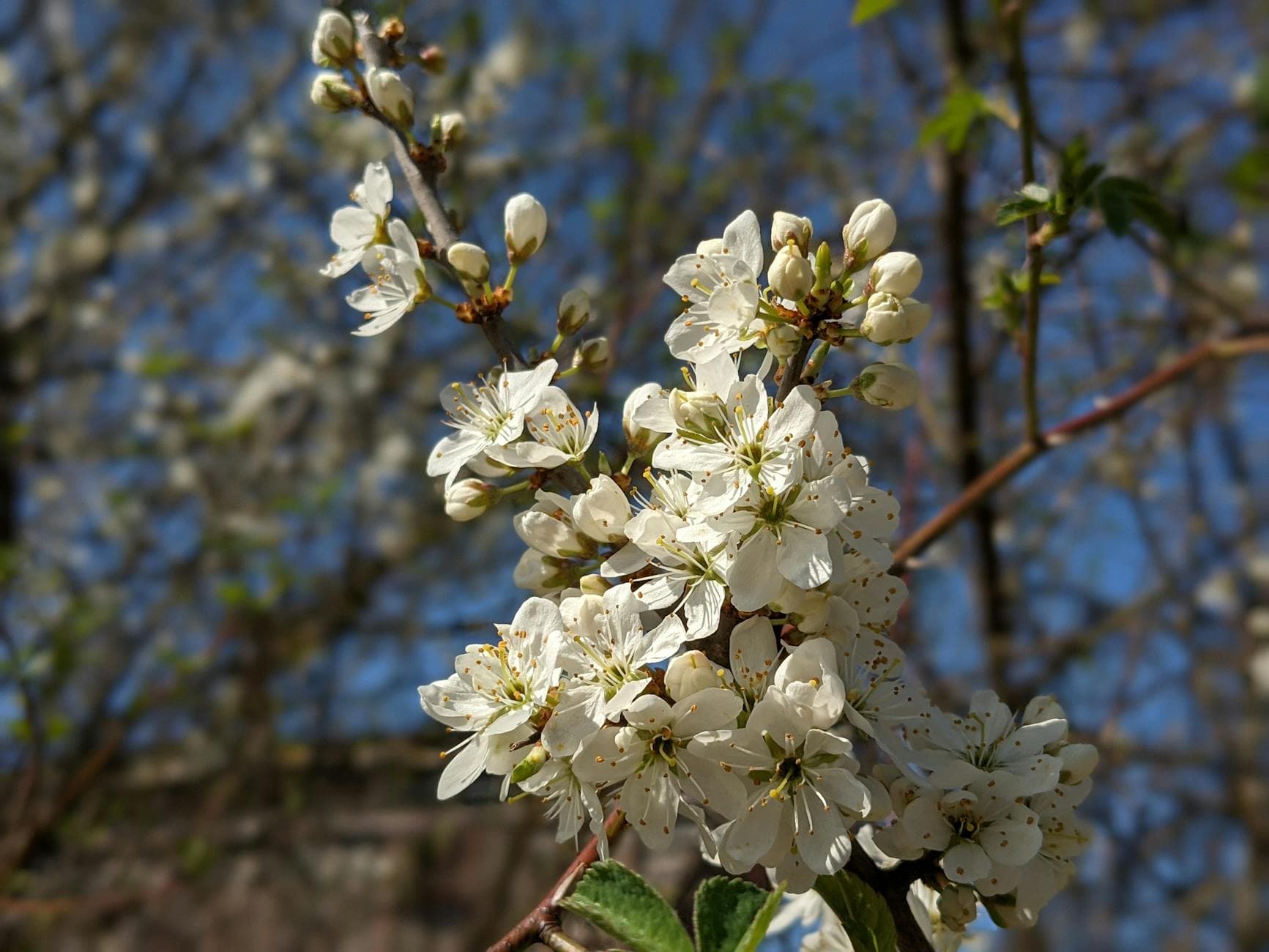
Blackthorn (Sloe)Western
Mixed tannin fraction provides the primary astringent and hemostatic activity. Well-characterised polyphenol class.
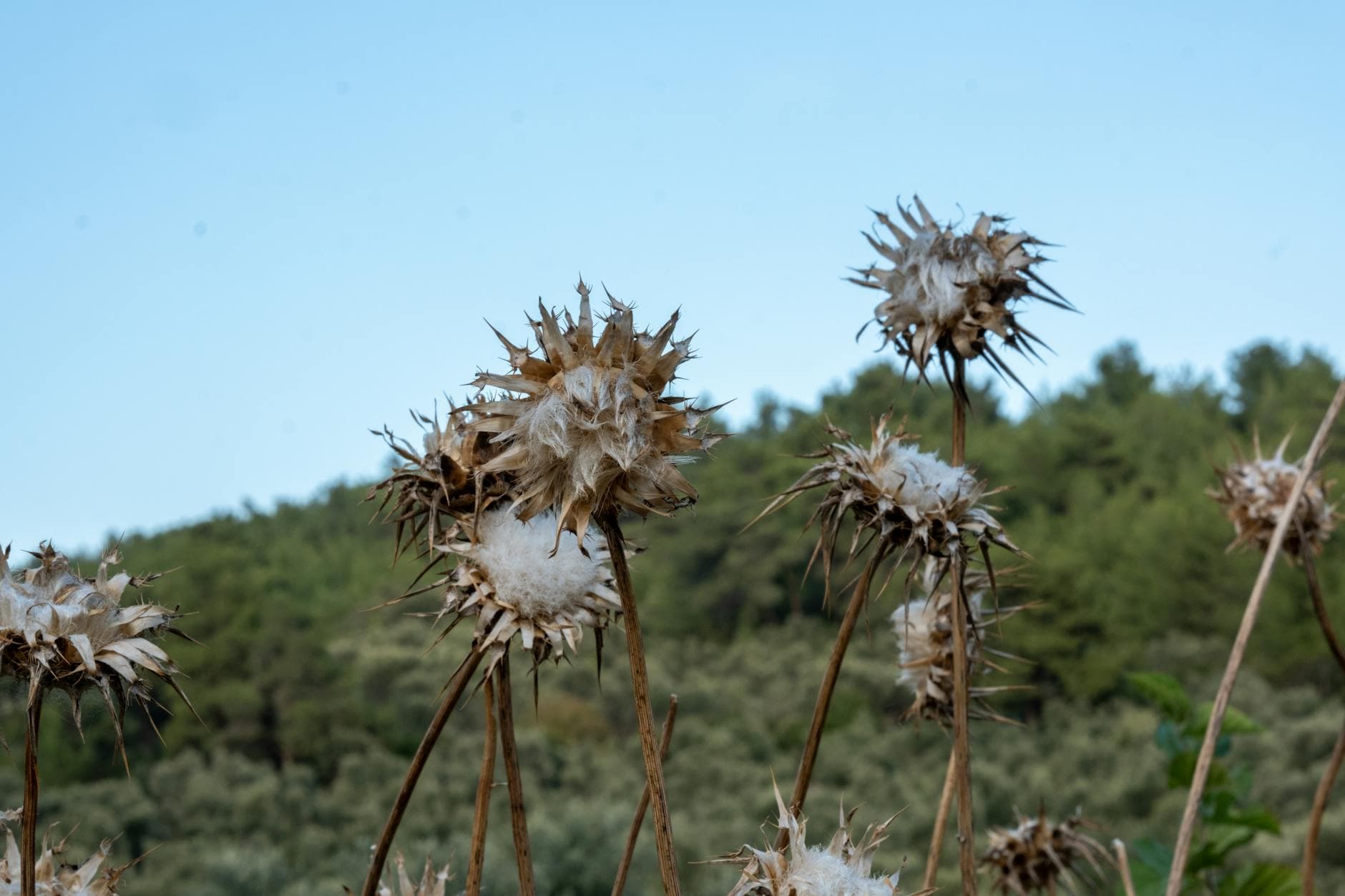
Blessed ThistleWestern
Tannin astringency well characterised across multiple plant sources. Contributes to the overall digestive-toning profile of the herb.
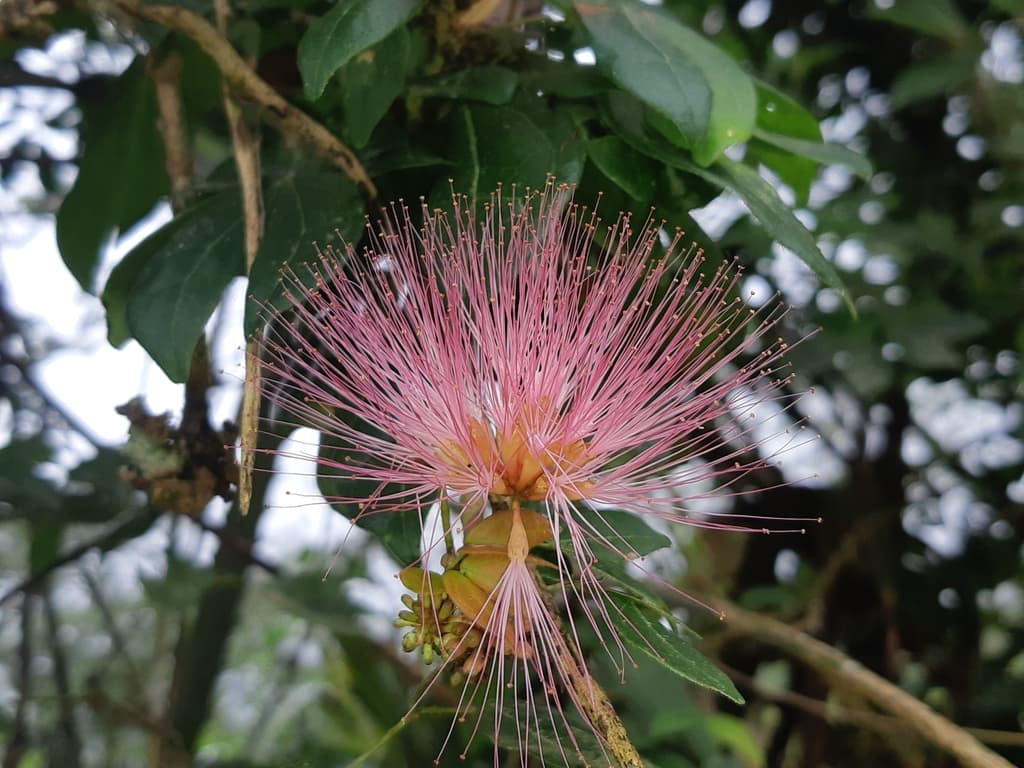
BobinsanaSouth American
Well-established anti-inflammatory properties; in vitro evidence available
Buck's Horn PlantainWestern
Tannins provide the primary astringent and haemostatic activity through protein precipitation and tissue tightening.
BugleWestern
Tannins provide the primary astringent and haemostatic activity in wound-healing preparations.
Bur MarigoldWestern
Tannins provide astringent and anti-hemorrhagic activity in traditional preparations.
ColtsfootWestern
Secondary compounds contributing to respiratory tract soothing.
CrosswortWestern
Established astringent mechanism for hemostatic applications.
Dyer's BroomWestern
Established astringent mechanism.
ElmWestern
Documented astringent and vulnerary activity in traditional use.
EyebrightWestern
Condensed tannins provide the astringent quality central to eyebright's traditional topical applications. Protein-precipitating activity tones inflamed mucosal tissues.
GooseberryWestern
Condensed tannins provide astringent and anti-inflammatory activity on GI mucosa. Well-characterised class of polyphenols.
Ground IvyIntegrative
Condensed tannins provide astringent action on inflamed mucosae, reducing excessive secretion. Consistent with anti-catarrhal applications.
HawkweedWestern
Condensed tannins are well-characterised astringent compounds. Haemostatic and wound-healing activity through mucosal protein precipitation is established.
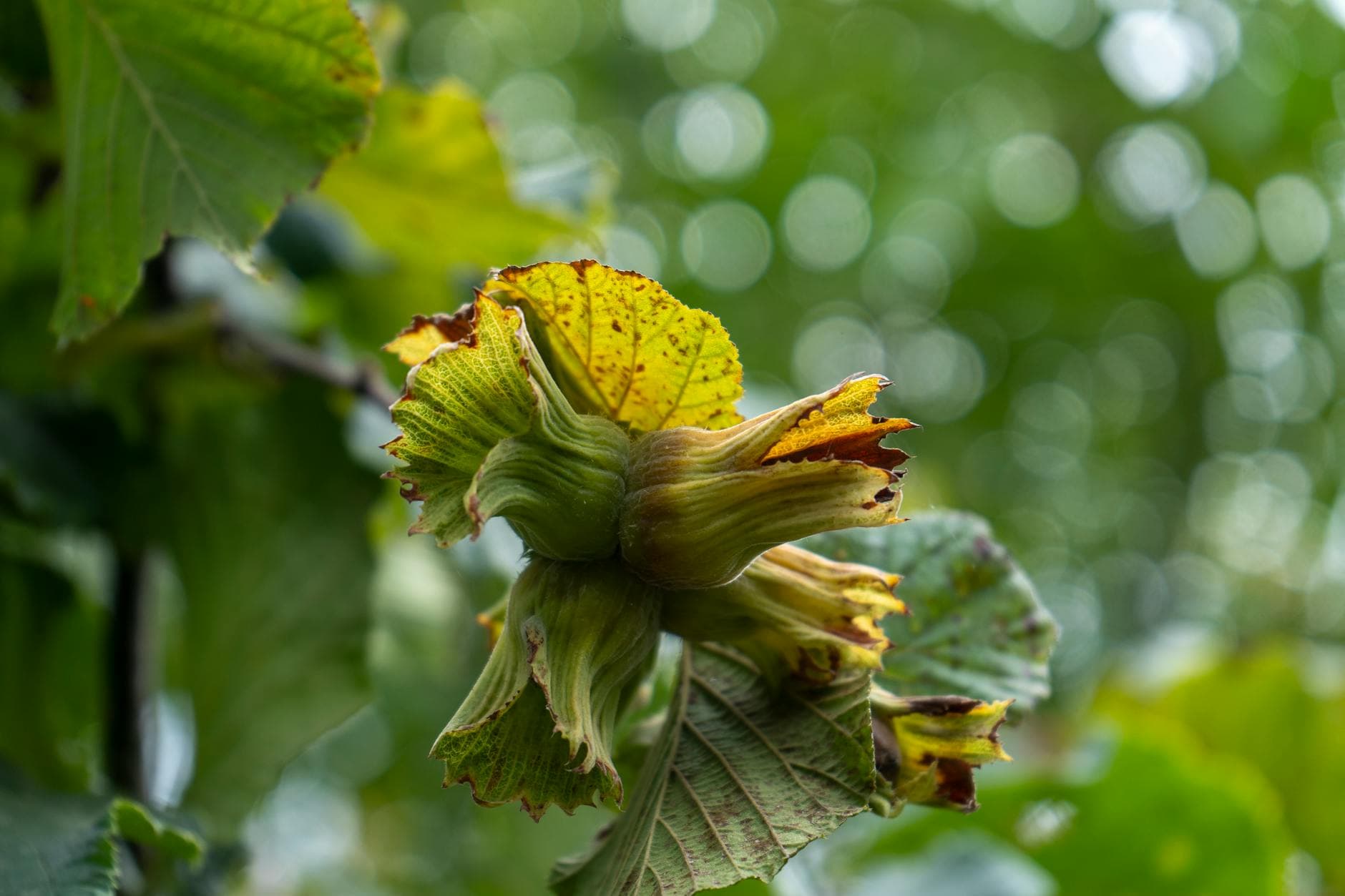
HazelnutWestern
Mixed tannin fraction providing astringent, haemostatic, and anti-diarrhoeal activity. Well-characterised polyphenol class.
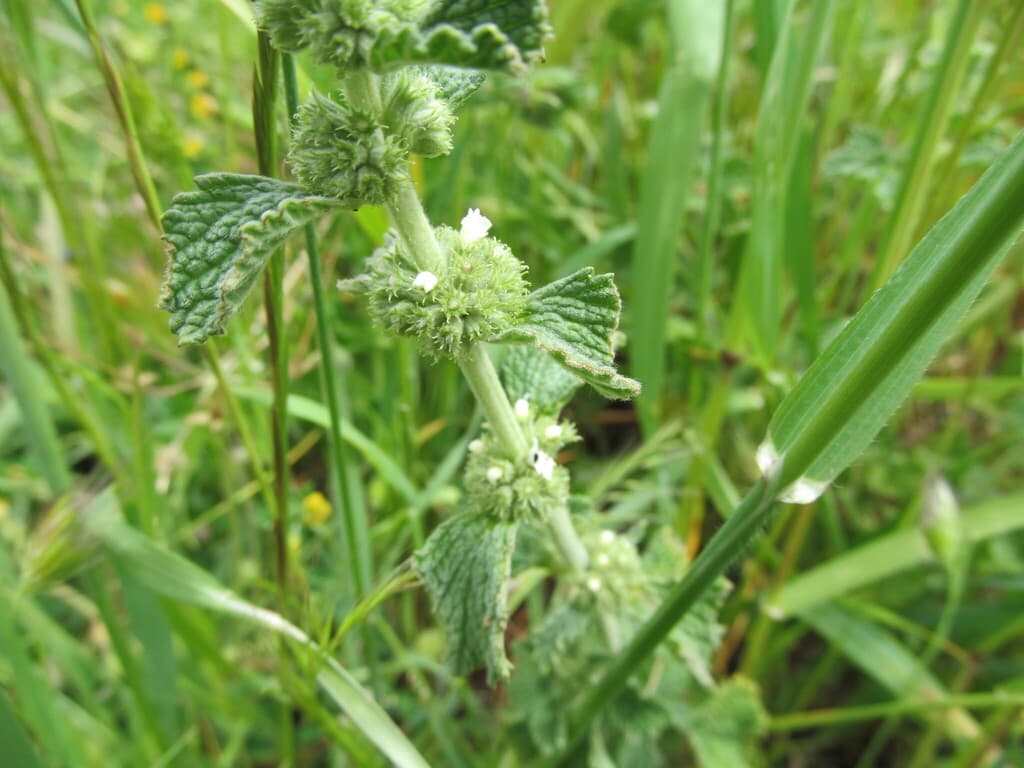
HorehoundWestern
Support overall respiratory and digestive effects.
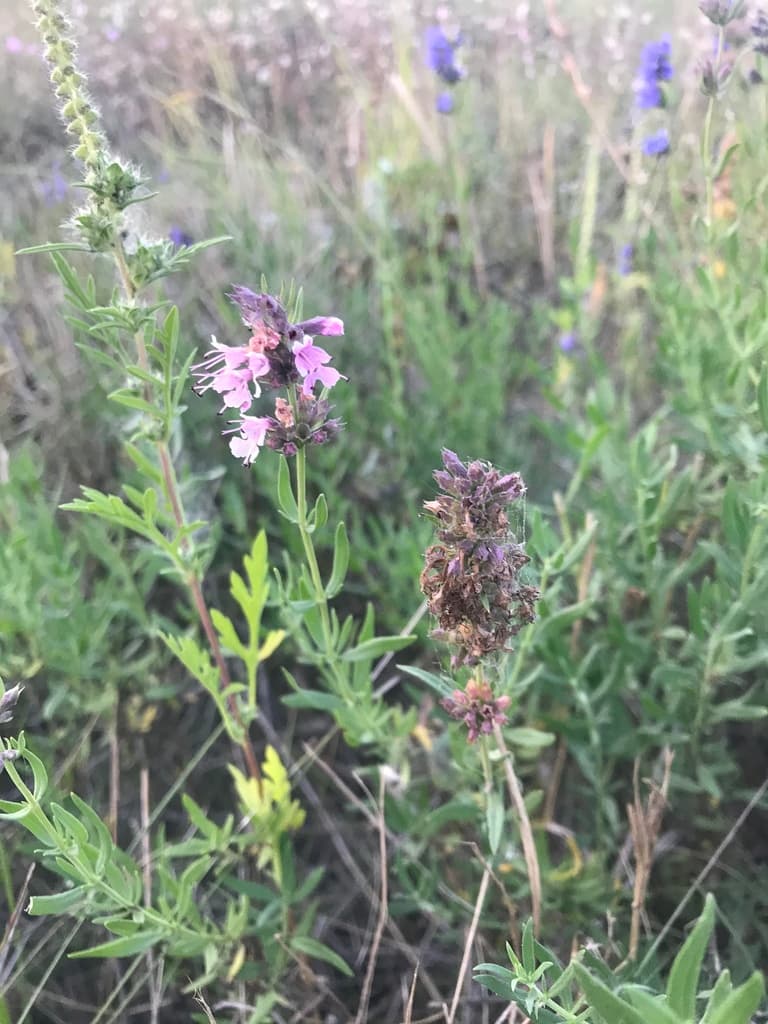
HyssopWestern
Secondary compounds contributing to respiratory tract soothing and digestive astringency.
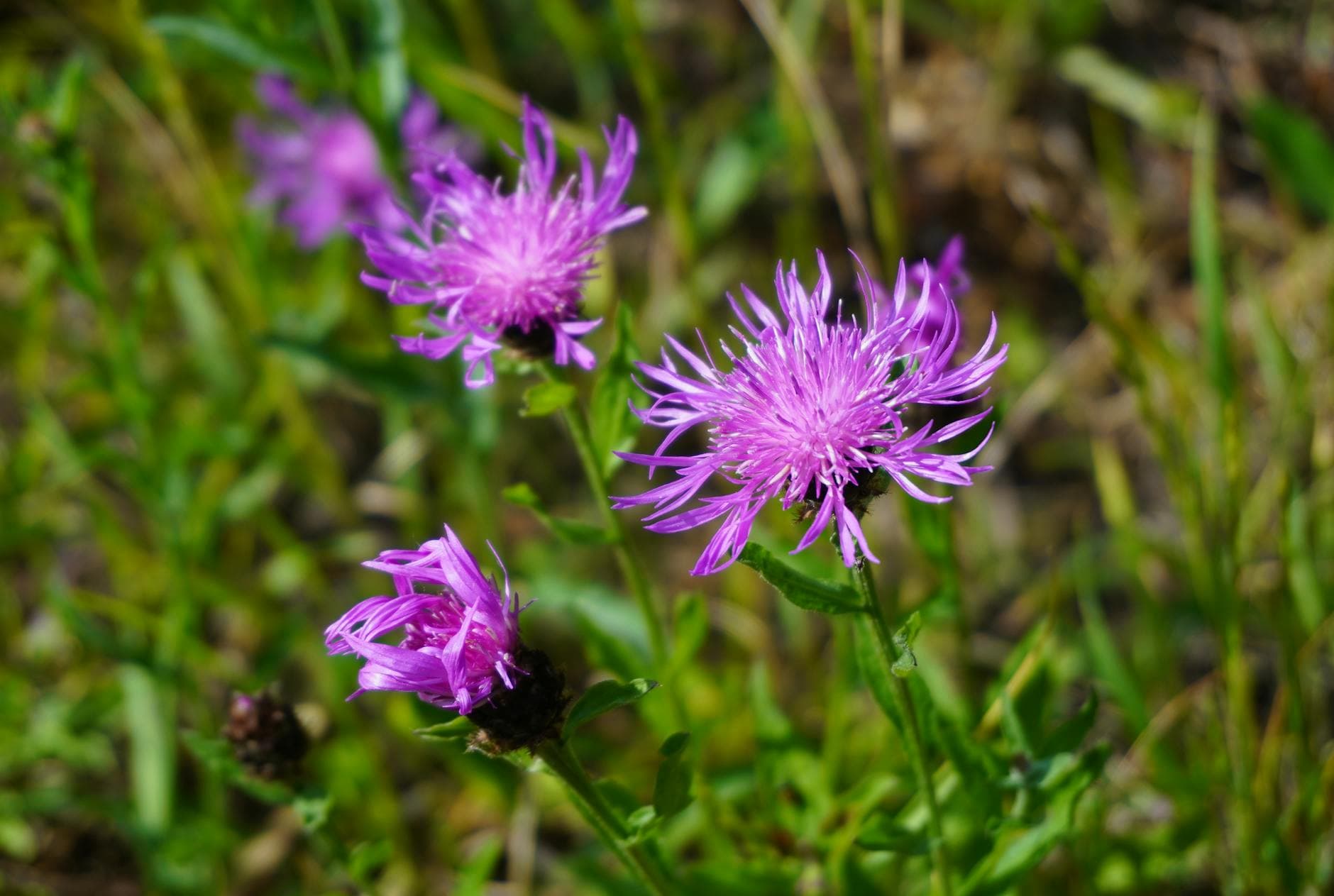
KnapweedWestern
Tannins provide the primary astringent and haemostatic activity through protein precipitation and mucosal tightening.
KnotgrassWestern
Tannins provide the primary astringent activity responsible for haemostatic and antidiarrheal effects.
Lady FernWestern
Condensed tannins provide astringent and haemostatic activity consistent with traditional wound-healing applications of root preparations.
Lady's BedstrawWestern
Primary astringent compounds supporting haemostatic and wound-healing activity.
Male FernWestern
Minor astringent fraction. Wound-healing applications of powdered root are historical and lack modern evidence.
MoneywortWestern
Well-established astringent activity from tannin-rich herbs. Consistent with traditional haemostatic and antidiarrheal claims.
Monk's RhubarbWestern
Responsible for the seed preparation described by Culpeper for diarrhea and dysentery.
MoonwortWestern
Astringent activity consistent with traditional wound-healing and haemostatic claims. Limited species-specific research.
PipsissewaWestern
Secondary compounds likely contributing to symptomatic relief through astringency.
Purple LoosestrifeWestern
Tannins are the primary active compounds responsible for the well-documented antidiarrheal and astringent activity.
RestharrowWestern
As described by Culpeper for wound and ulcer applications.
Round-Leaved DockWestern
Contrasting binding/astringent action of seeds vs laxative roots documented in traditional use.
Royal FernWestern
Described by Culpeper and confirmed in folk use for wound healing.
Rustyback FernWestern
Tannins provide astringent and mild antimicrobial activity. Consistent with traditional use for splenic and urinary complaints.
SanicleWestern
Tannins provide the primary astringent activity responsible for hemostatic effects on mucosal surfaces and wound-binding properties.
SassafrasWestern
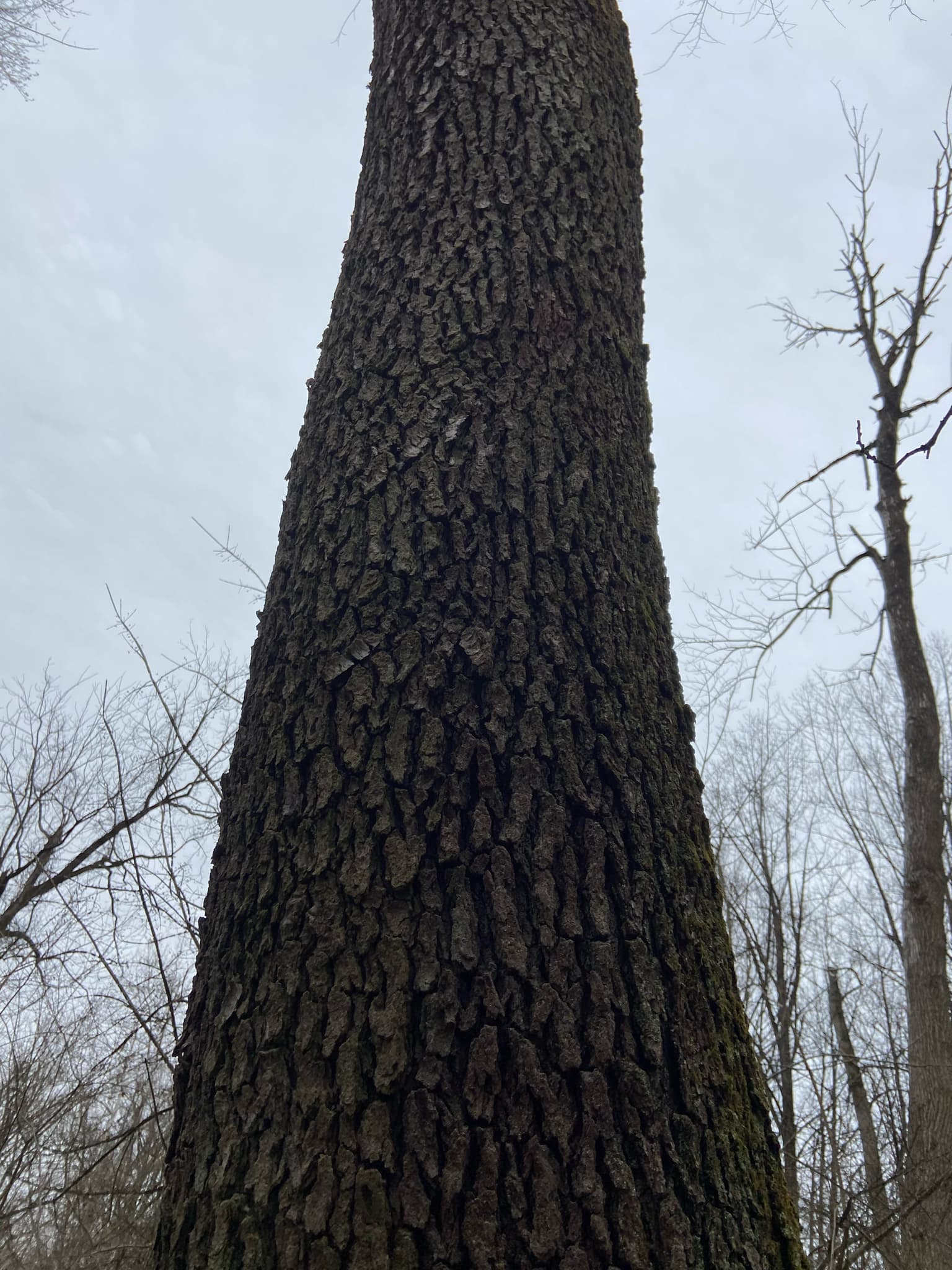
Tannins in sassafras bark contribute to its traditional astringent and antimicrobial properties. While not unique to sassafras, the tannin content supports the historical use of sassafras bark preparations for wound healing, diarrhea, and topical skin conditions. Tannins may partially offset safrole absorption through complexation effects.
Service TreeWestern
High tannin content is the primary active fraction. Astringent and protein-precipitating activity on mucosal surfaces is well established for condensed and hydrolysable tannin classes.
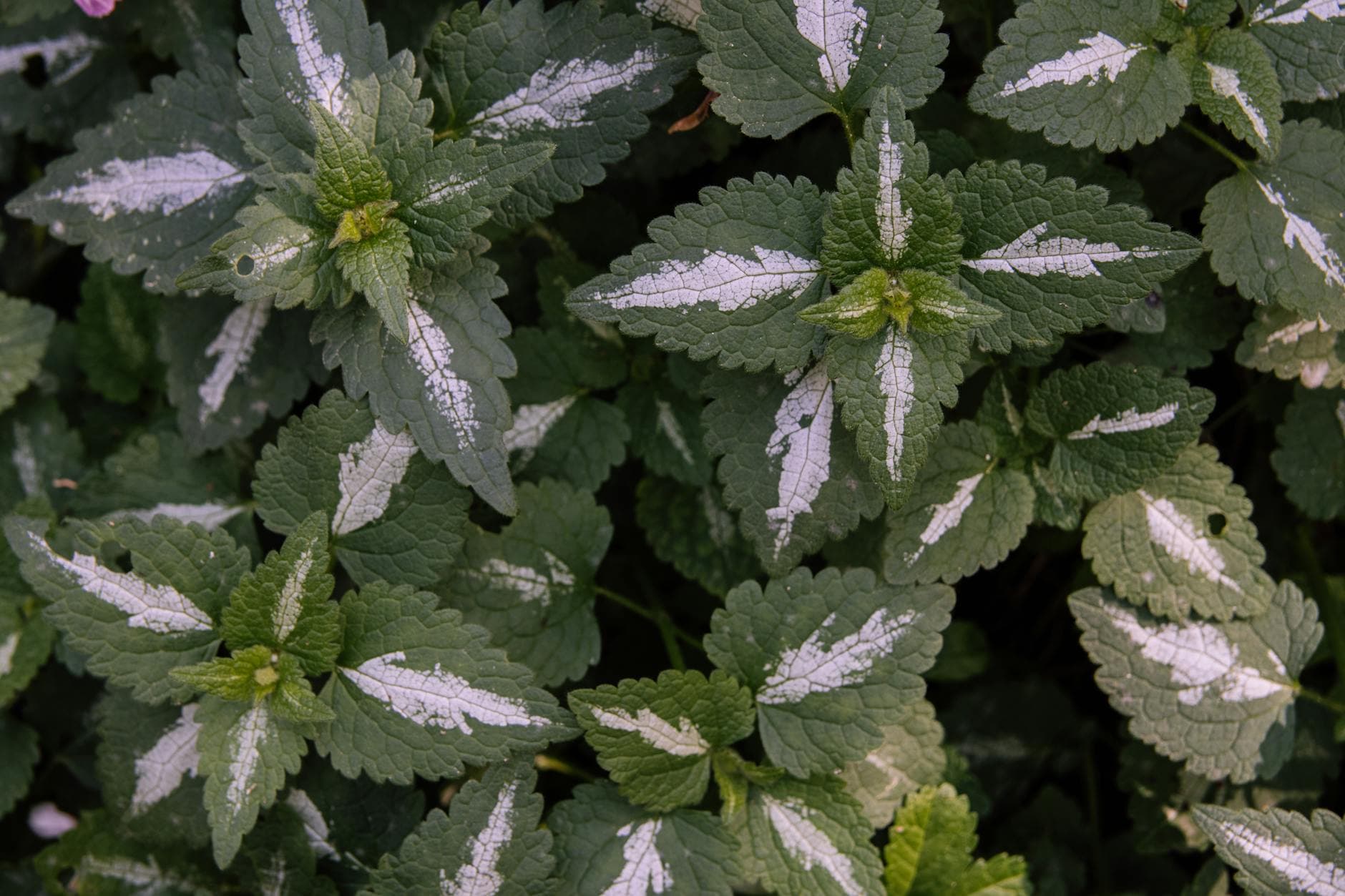
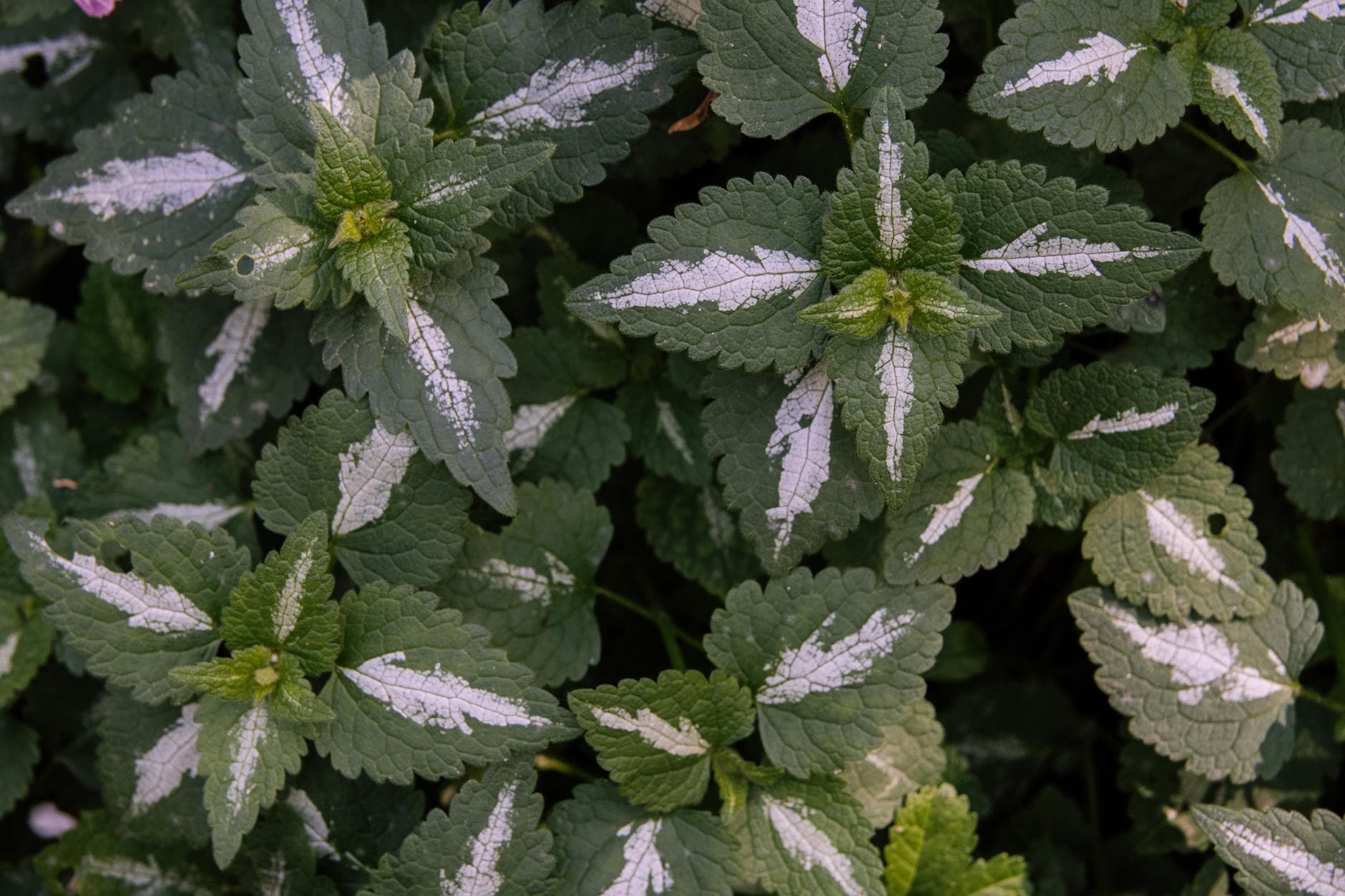
Spotted Dead NettleWestern
Established astringent mechanism.
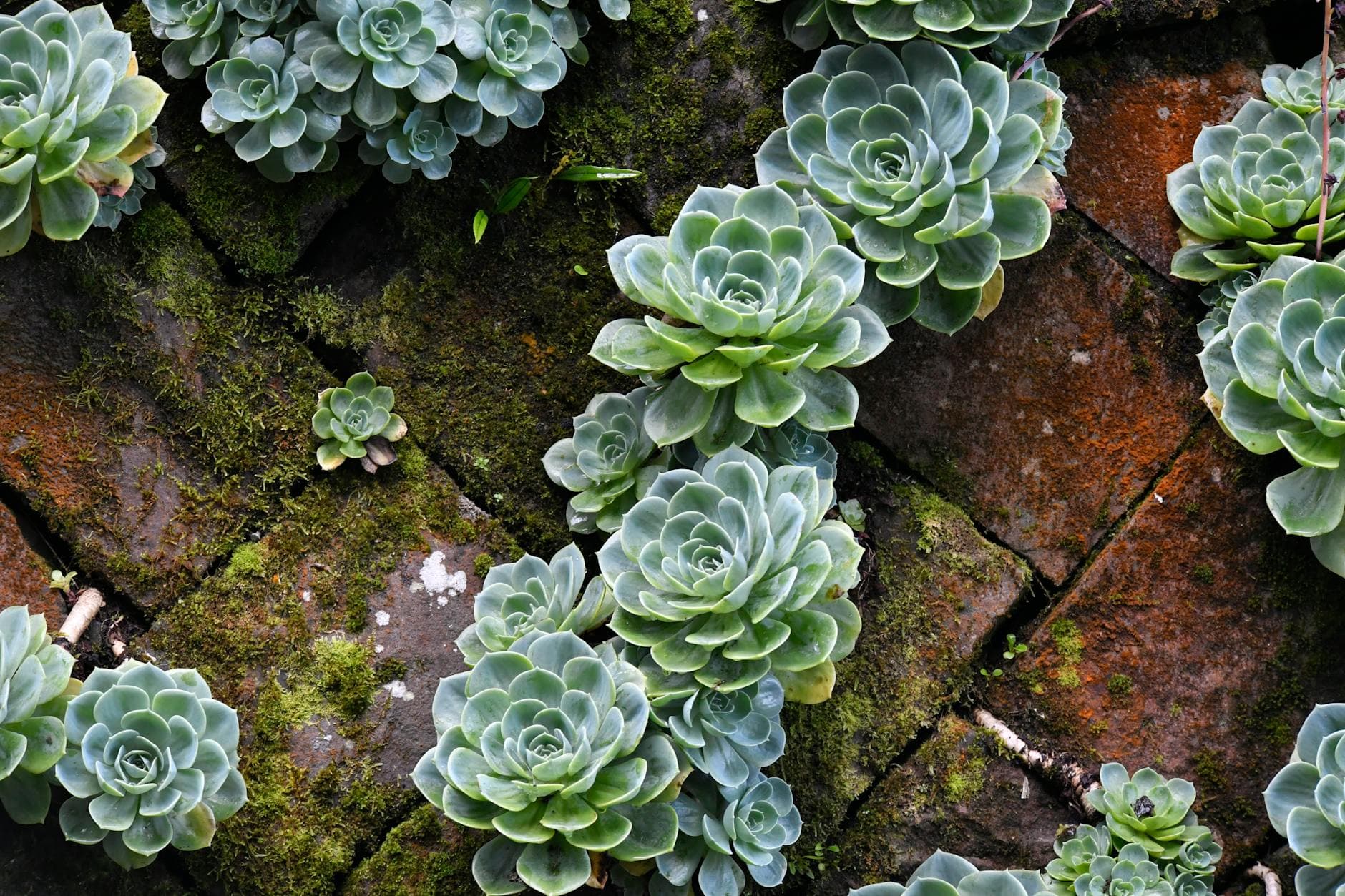
StonecropWestern
Tannin fraction provides astringent and hemostatic activity consistent with traditional wound-healing applications.
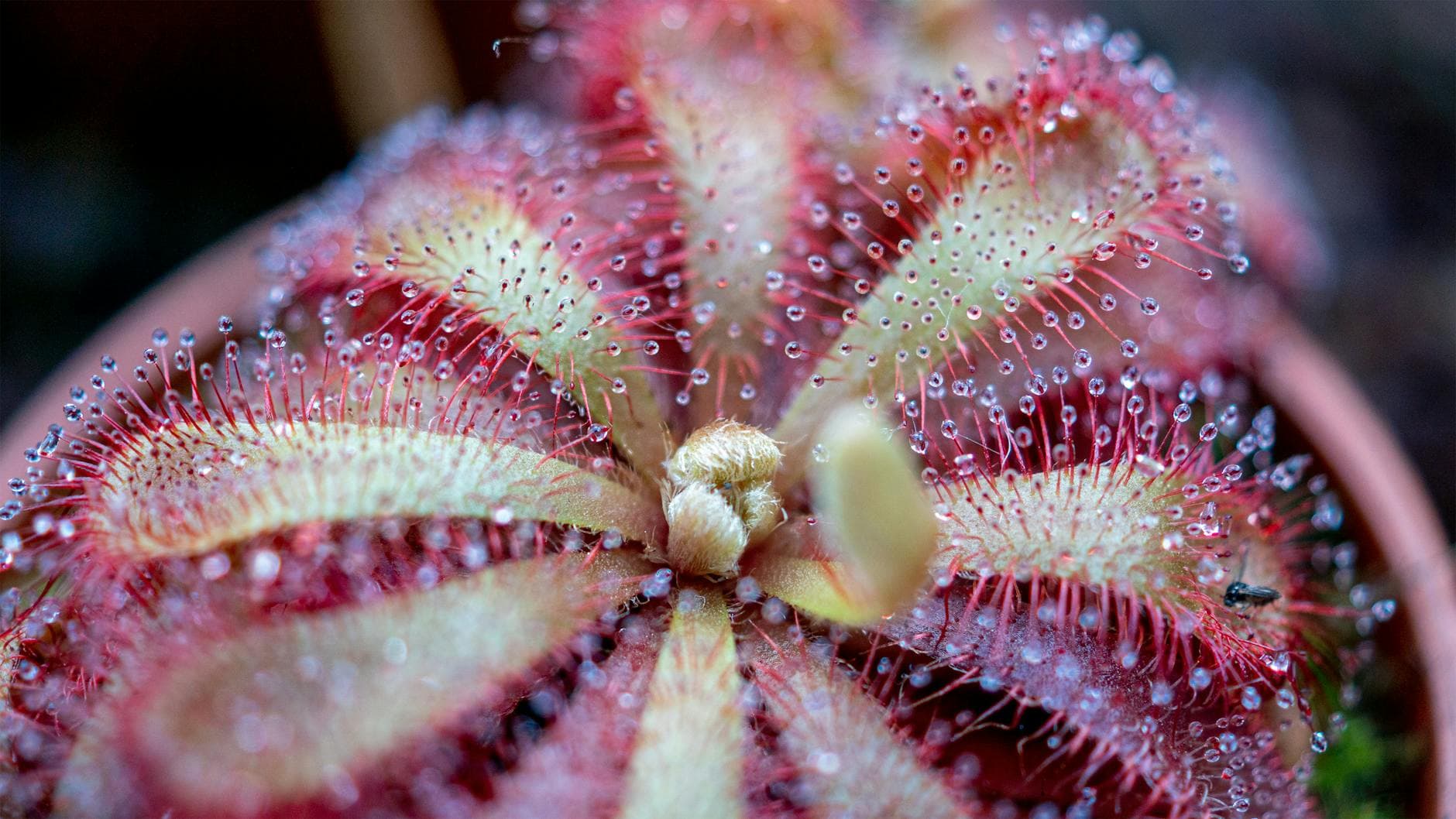
SundewWestern
Tannin fraction provides demulcent and mild astringent activity on respiratory mucosa. Secondary to naphthoquinone fraction in pharmacological significance.
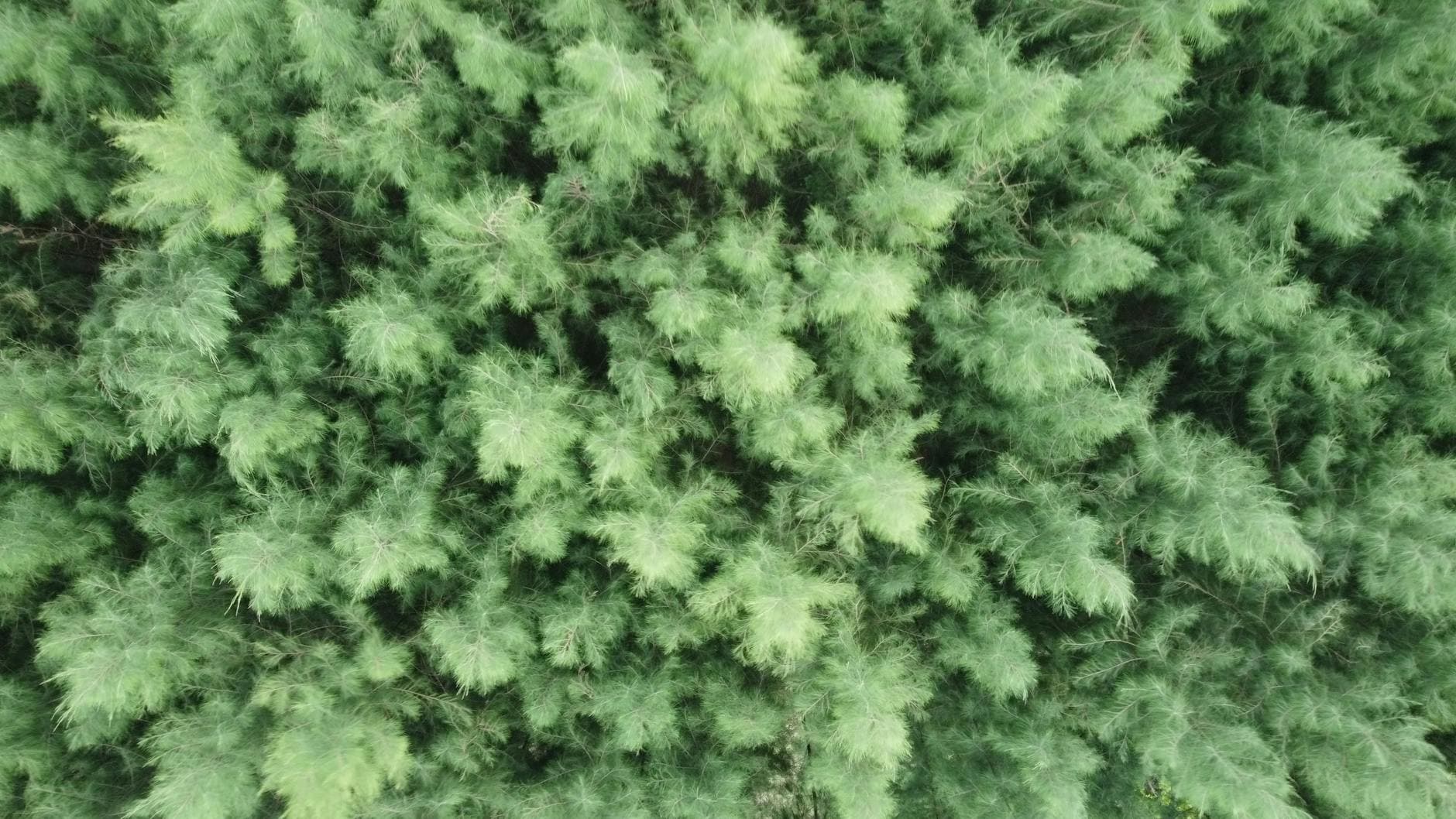
TamariskWestern
Tannin fraction responsible for astringent and hemostatic activity. Supports traditional use for bleeding and mucosal inflammation.
White Dead NettleWestern
Established astringent mechanism.
Wild Cherry BarkWestern
Secondary compounds likely contributing to overall effect. Astringent tannins may soothe respiratory tissues and reduce cough triggers.
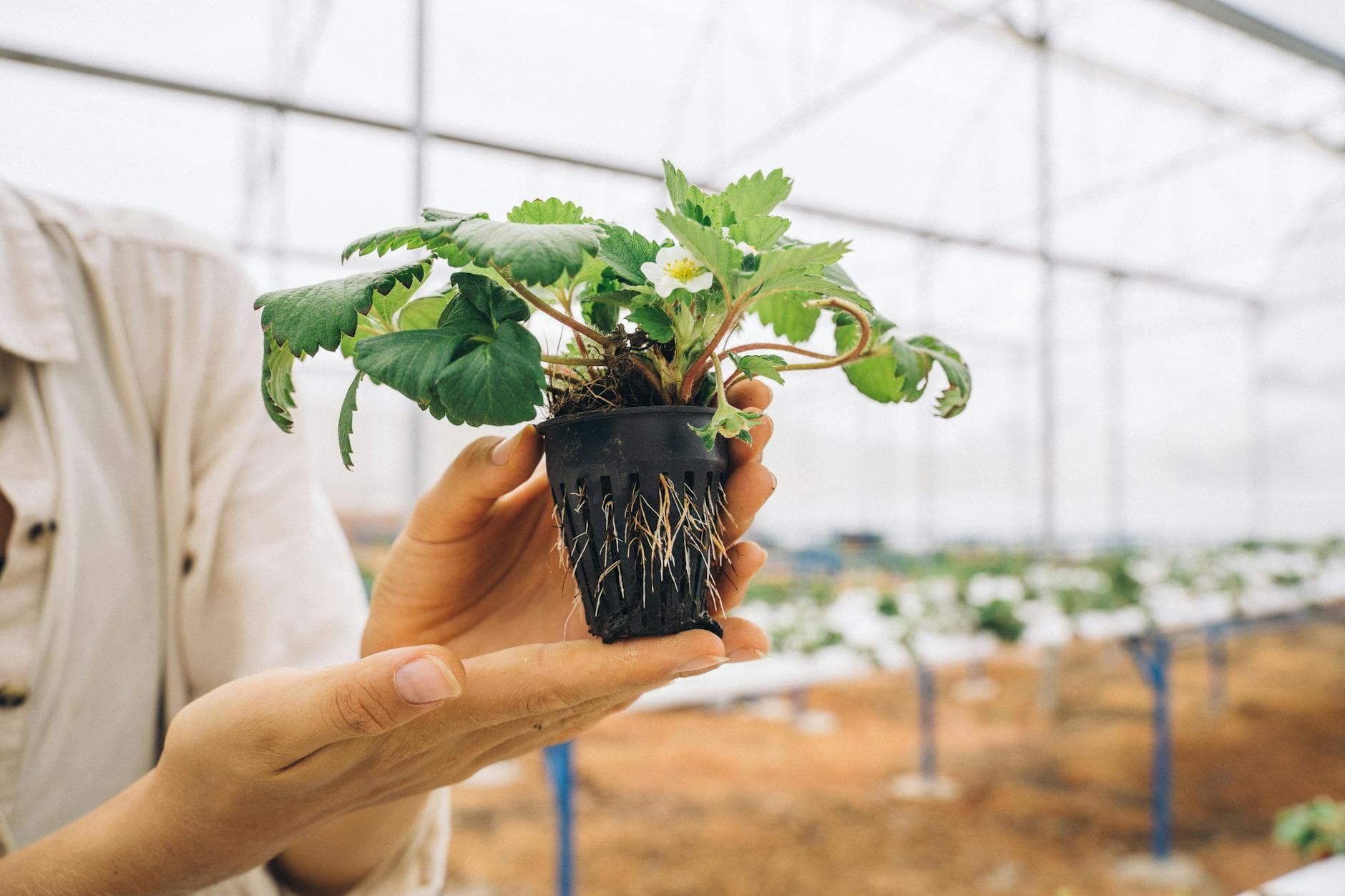
Wild StrawberryWestern
High tannin content in leaves accounts for the primary astringent and antidiarrheal activity. Well-characterised mechanism of mucosal protein precipitation.
Yellow ArchangelWestern
Established astringent mechanism for wound healing.
Found In 43 Herbs
Adder's Tongue
WesternBlackthorn (Sloe)
WesternBlessed Thistle
WesternBobinsana
South AmericanBuck's Horn Plantain
WesternBugle
WesternBur Marigold
WesternColtsfoot
WesternCrosswort
WesternDyer's Broom
WesternElm
WesternEyebright
WesternGooseberry
WesternGround Ivy
IntegrativeHawkweed
WesternHazelnut
WesternHorehound
WesternHyssop
WesternKnapweed
WesternKnotgrass
WesternLady Fern
WesternLady's Bedstraw
WesternMale Fern
WesternMoneywort
WesternMonk's Rhubarb
WesternMoonwort
WesternPipsissewa
WesternPurple Loosestrife
WesternRestharrow
WesternRound-Leaved Dock
WesternRoyal Fern
WesternRustyback Fern
WesternSanicle
WesternSassafras
WesternService Tree
WesternSpotted Dead Nettle
WesternStonecrop
WesternSundew
WesternTamarisk
WesternWhite Dead Nettle
WesternWild Cherry Bark
WesternWild Strawberry
WesternYellow Archangel
Western3D Molecular Structure
Polyphenol
Drag to rotate · Click atoms to explore
Tannins
PolyphenolSimple aromatic compounds with antimicrobial properties
Representative pattern: C₇H₆O₃
Atoms
Carbon
Oxygen
Hydrogen
Related Compounds (Polyphenol)
Live Research
This information is for educational purposes only and does not constitute medical advice. Always consult a qualified healthcare practitioner before using any herbal product.
These statements have not been evaluated by the Food and Drug Administration. This product is not intended to diagnose, treat, cure, or prevent any disease. This content is for educational purposes only and is not a substitute for professional medical advice.