Loading…
Back to Compound Explorer
Condensed tannins (proanthocyanidins)
In vitro / AnimalMechanism of Action
Oligomeric and polymeric flavanols precipitating proteins in mucous membranes to reduce secretion and inflammation; strong astringent activity on gut and skin
Condensed tannins in beth root rhizome precipitate proteins on mucosal surfaces and in wound beds, forming a protective layer that reduces permeability, inhibits secretion, and contracts blood vessels. This astringent mechanism reduces bleeding, controls diarrhea, and promotes tissue repair. Tannins also bind to and inactivate bacterial enzymes and toxins, contributing to antimicrobial activity at mucosal surfaces.
Oligomeric flavanols providing primary astringent activity; precipitate mucosal proteins to reduce secretion and tighten inflamed tissue in the gut and throat
Astringent tannins in bark and leaves; used for oral gargle and topical wound astringency
Research Notes
Beech TreeWestern
Condensed tannins are well-characterised astringent agents across multiple plant species. Anti-inflammatory and antimicrobial properties documented in vitro. Specific proanthocyanidin profiles of Fagus sylvatica are consistent with the general class pharmacology.
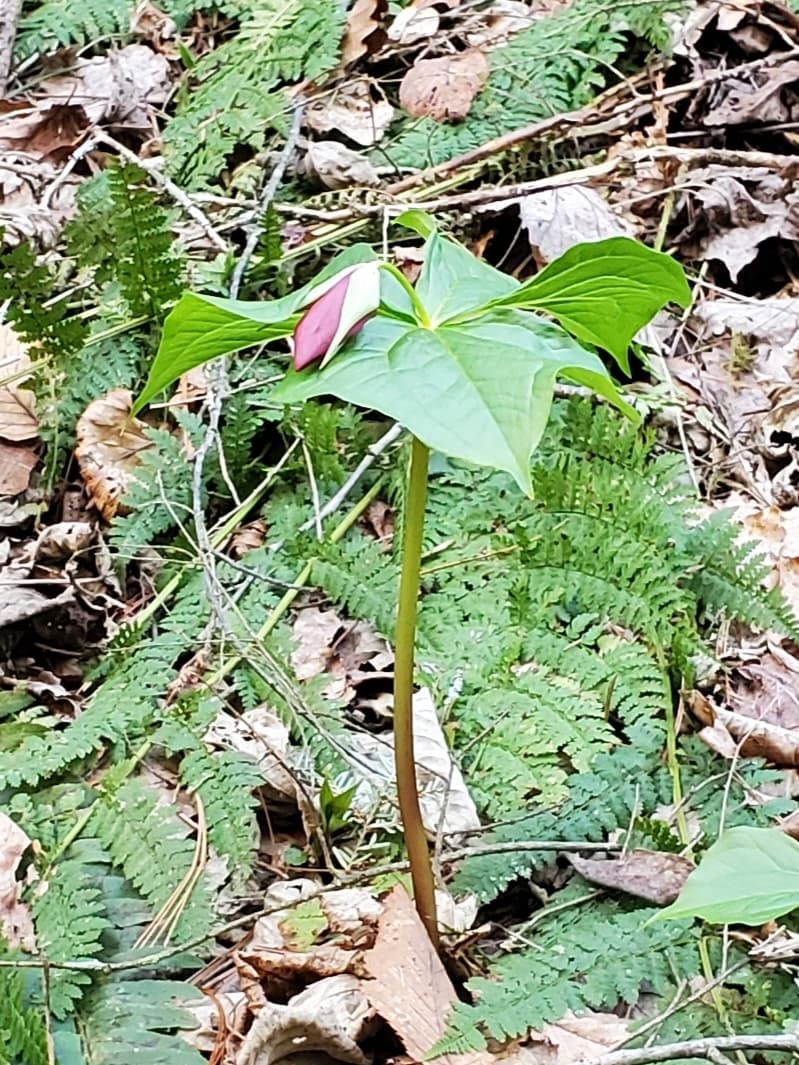
Beth RootWestern
The astringent and hemostatic properties of tannins are well-established in pharmacognosy with extensive in vitro and clinical evidence across multiple tannin-containing plants. Proanthocyanidins have been shown in numerous studies to reduce capillary permeability and fragility, inhibit matrix metalloproteinases, and promote wound healing. However, specific clinical studies on the tannin fraction of Trillium erectum have not been conducted.
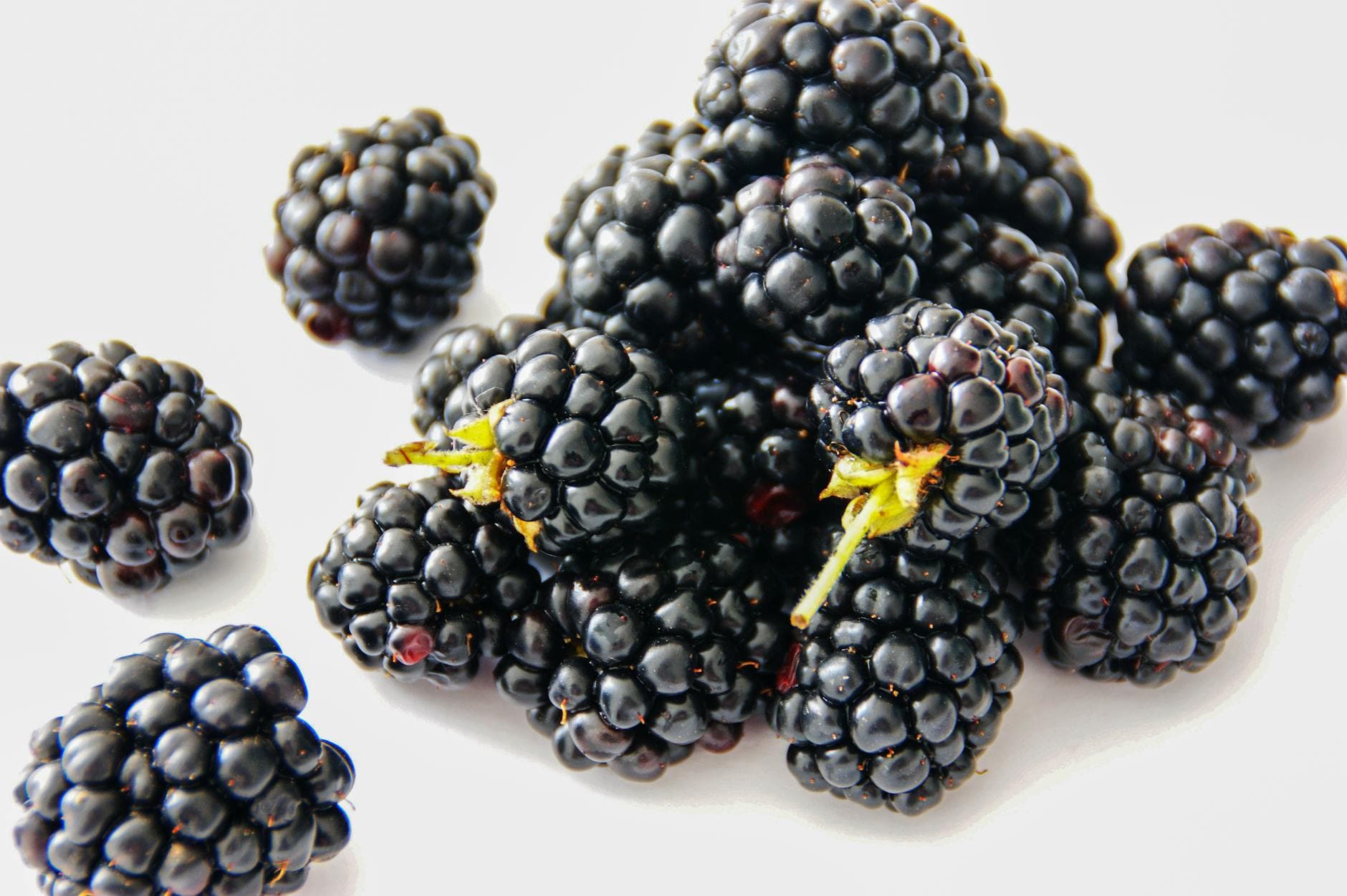
BlackberryWestern
Well-characterised astringent class. Proanthocyanidins from Rubus species demonstrate anti-inflammatory and antimicrobial activity consistent with traditional use for diarrhoea and oral inflammation.
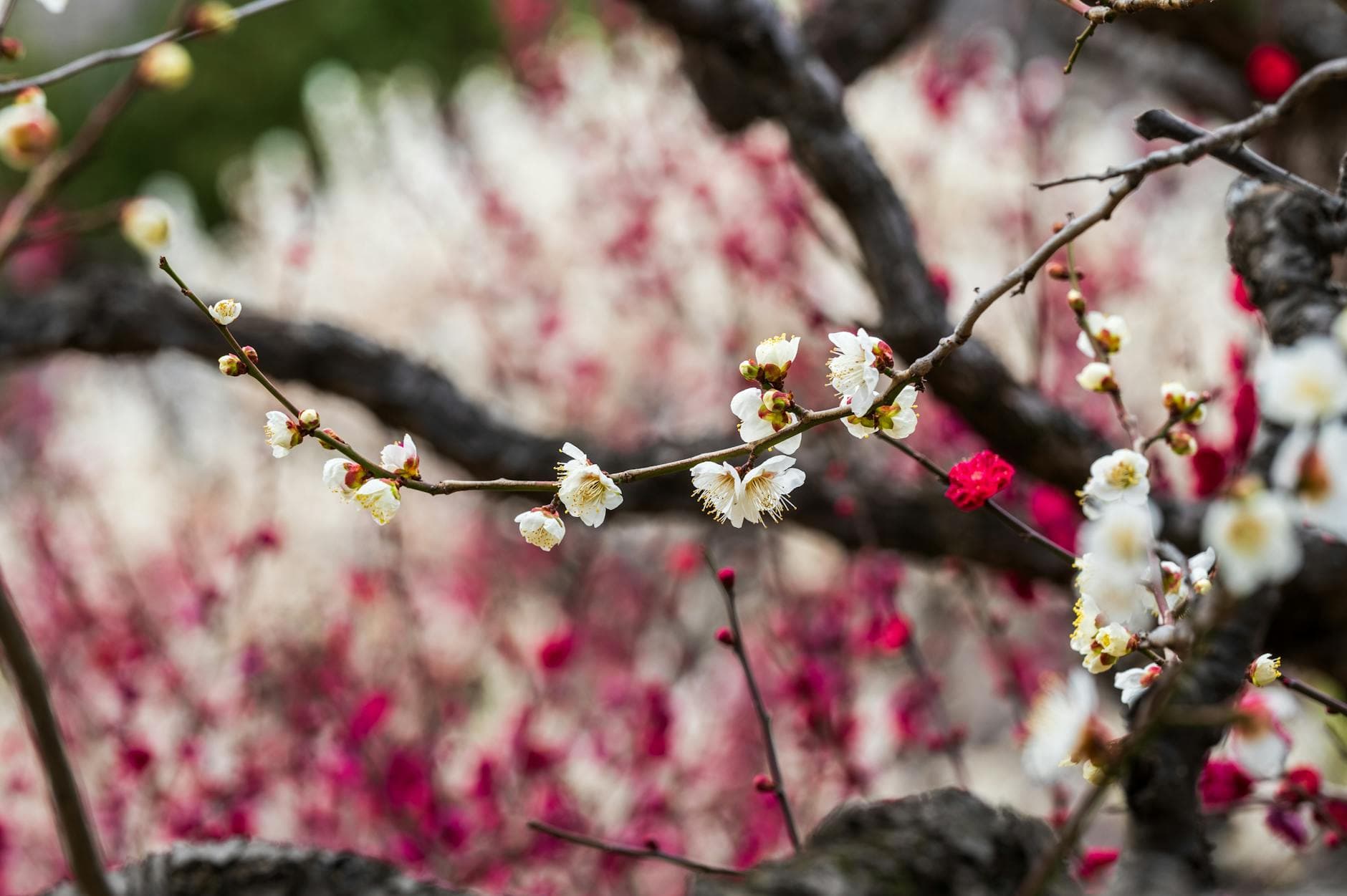
Plum TreeWestern
Well-established astringent activity. Proanthocyanidins with additional antioxidant and antimicrobial effects.
Found In 4 Herbs

3D Molecular Structure
Polyphenol
Drag to rotate · Click atoms to explore
Condensed tannins (proanthocyanidins)
PolyphenolSimple aromatic compounds with antimicrobial properties
Representative pattern: C₇H₆O₃
Atoms
Carbon
Oxygen
Hydrogen
Related Compounds (Polyphenol)
Live Research
This information is for educational purposes only and does not constitute medical advice. Always consult a qualified healthcare practitioner before using any herbal product.
These statements have not been evaluated by the Food and Drug Administration. This product is not intended to diagnose, treat, cure, or prevent any disease. This content is for educational purposes only and is not a substitute for professional medical advice.