Loading…
Back to Compound Explorer
Saponins
Clinical trialMechanism of Action
Expectorant activity via stimulation of bronchial secretions; contributes to antitussive effect
Mild anti-inflammatory effects; may support immune function
Contribute to expectorant and mild antispasmodic effects in flower preparations
Expectorant and surface-active; relevant to throat applications
Primary diuretic and mucosal anti-inflammatory constituents; support urinary tract soothing activity
Primary driver of diuretic and antispasmodic activity on renal tubules and ureters
Contribute to anti-inflammatory and astringent activity in topical and internal preparations
Lysimachia saponins with mild expectorant and anti-inflammatory properties
Contribute to diuretic activity and mucous membrane effects in the urinary tract
Expectorant and detergent properties; contribute to vulnerary and mucous membrane activity
Contribute to diuretic and mild expectorant properties of root preparations
Expectorant and mild mucolytic activity
Research Notes
Burnet SaxifrageWestern
Saponins stimulate bronchial secretions providing expectorant and antitussive activity.
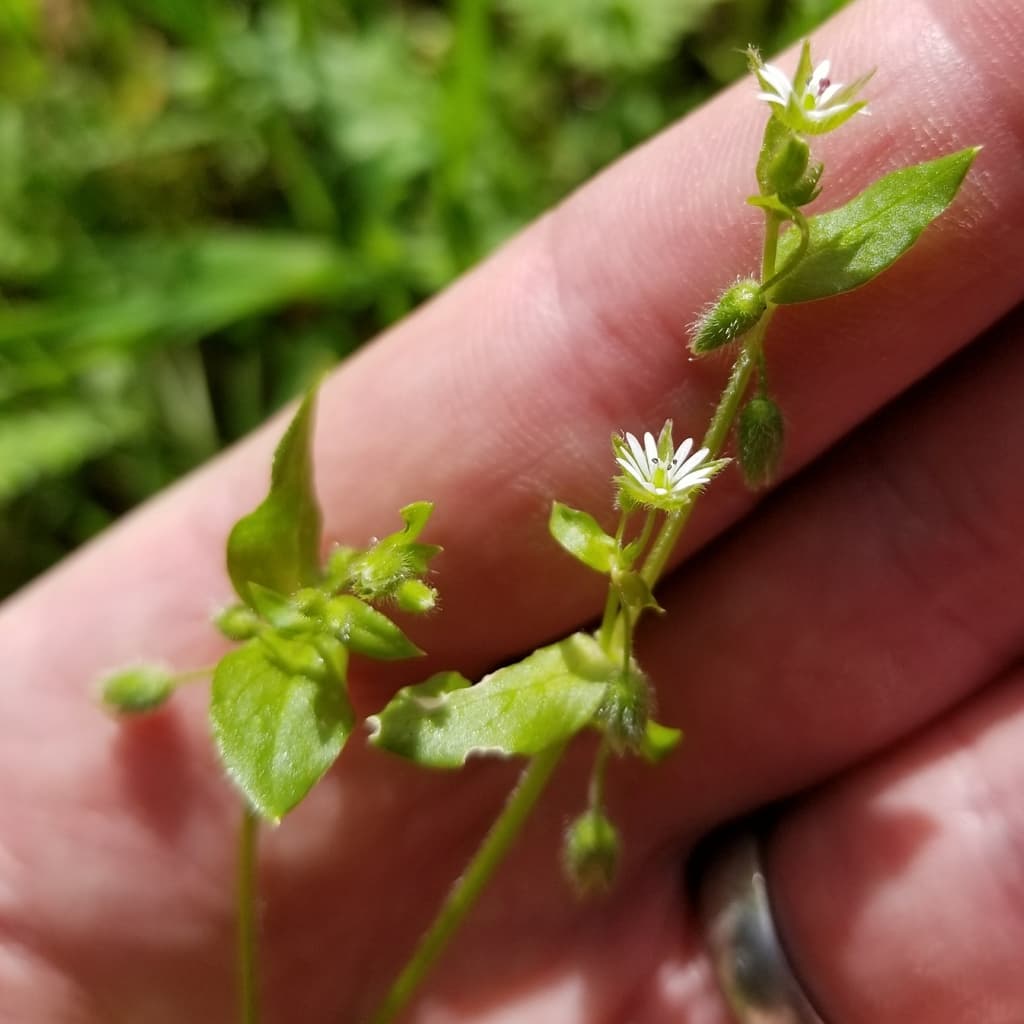
ChickweedWestern
Secondary compounds contributing to anti-inflammatory properties. Saponins generally recognized for immunomodulatory effects.
Clove PinkWestern
Saponins with mild expectorant and antispasmodic activity in traditional flower preparations.
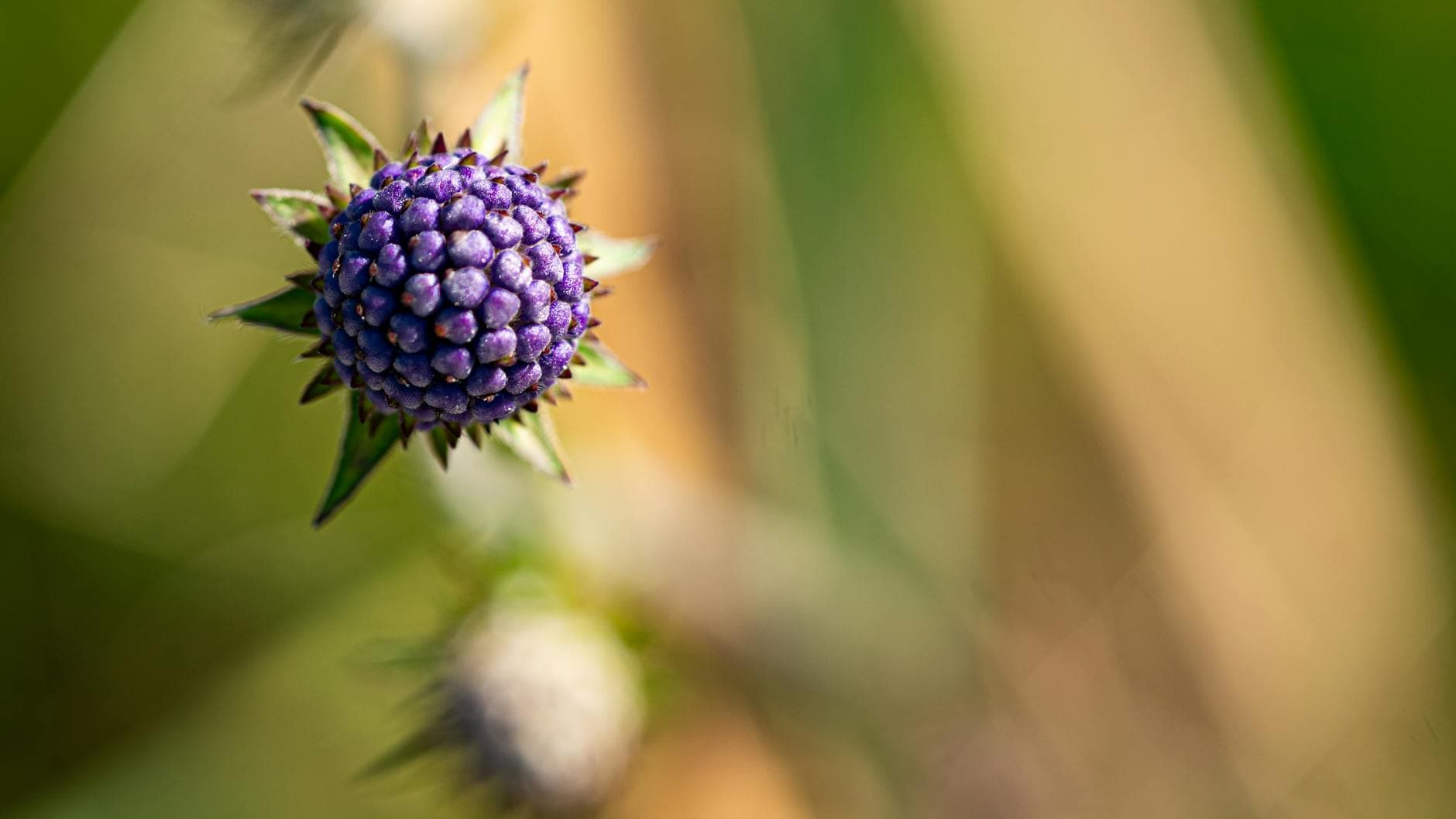
Devil's Bit ScabiousWestern
Saponin expectorant mechanism well-characterized.
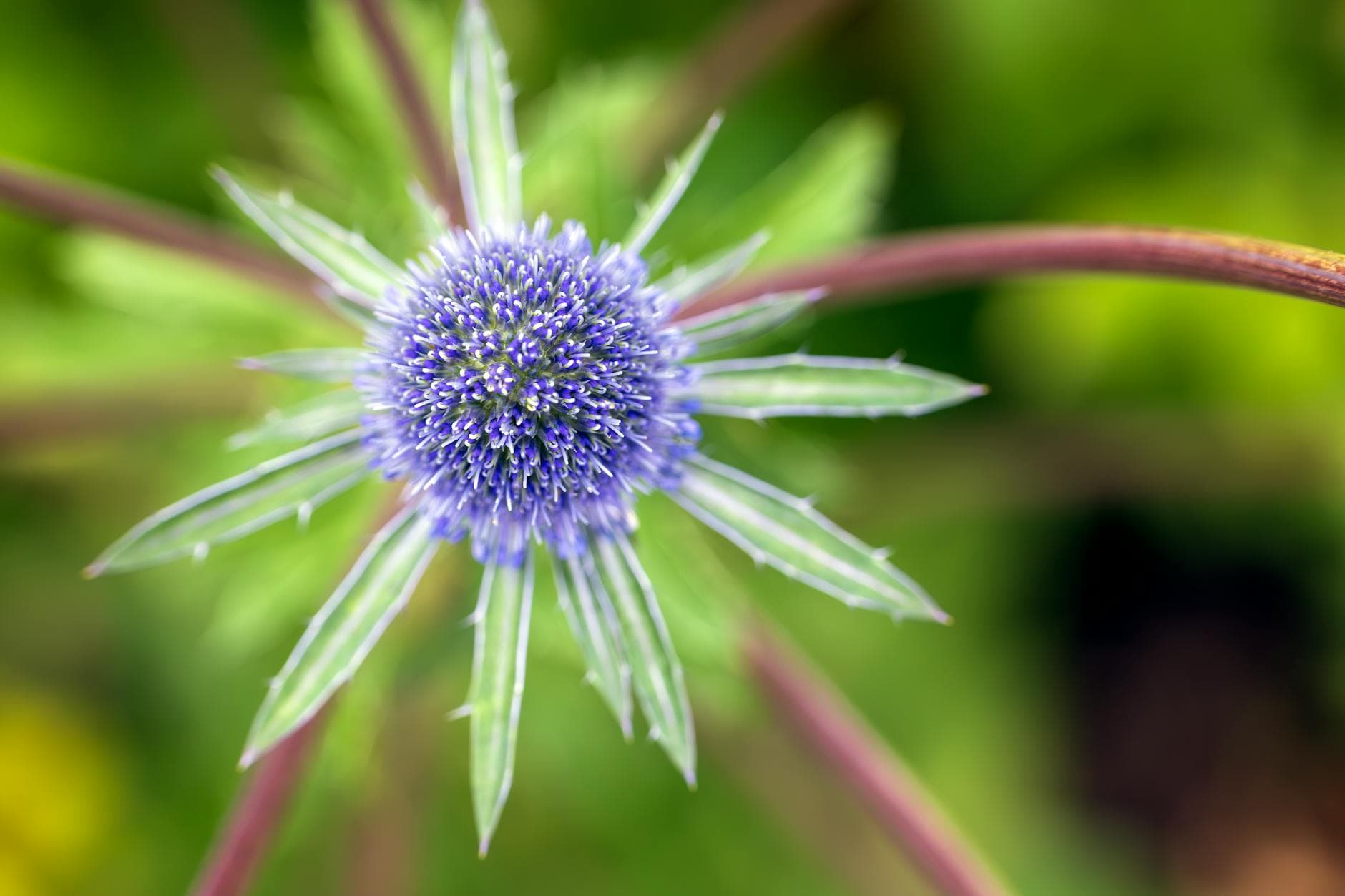
EryngoWestern
Triterpenoid saponins identified as primary active fraction responsible for diuretic and anti-inflammatory activity on urinary mucosa. Limited clinical evidence; traditional use supported by phytochemical rationale.
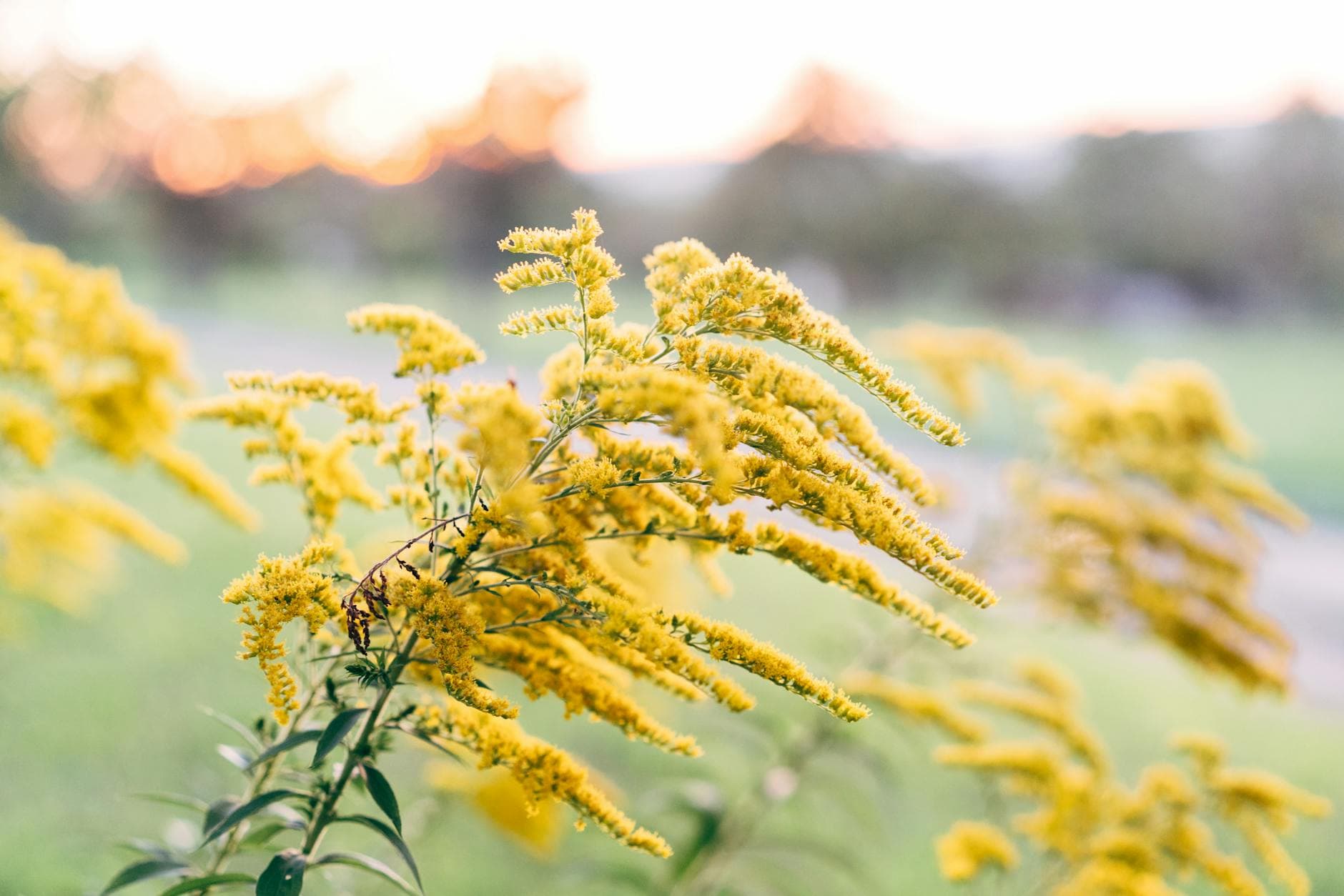
GoldenrodWestern
Triterpenoid saponins identified as primary active fraction responsible for diuretic activity. Increase renal blood flow without significant electrolyte loss.
Lesser CelandineWestern
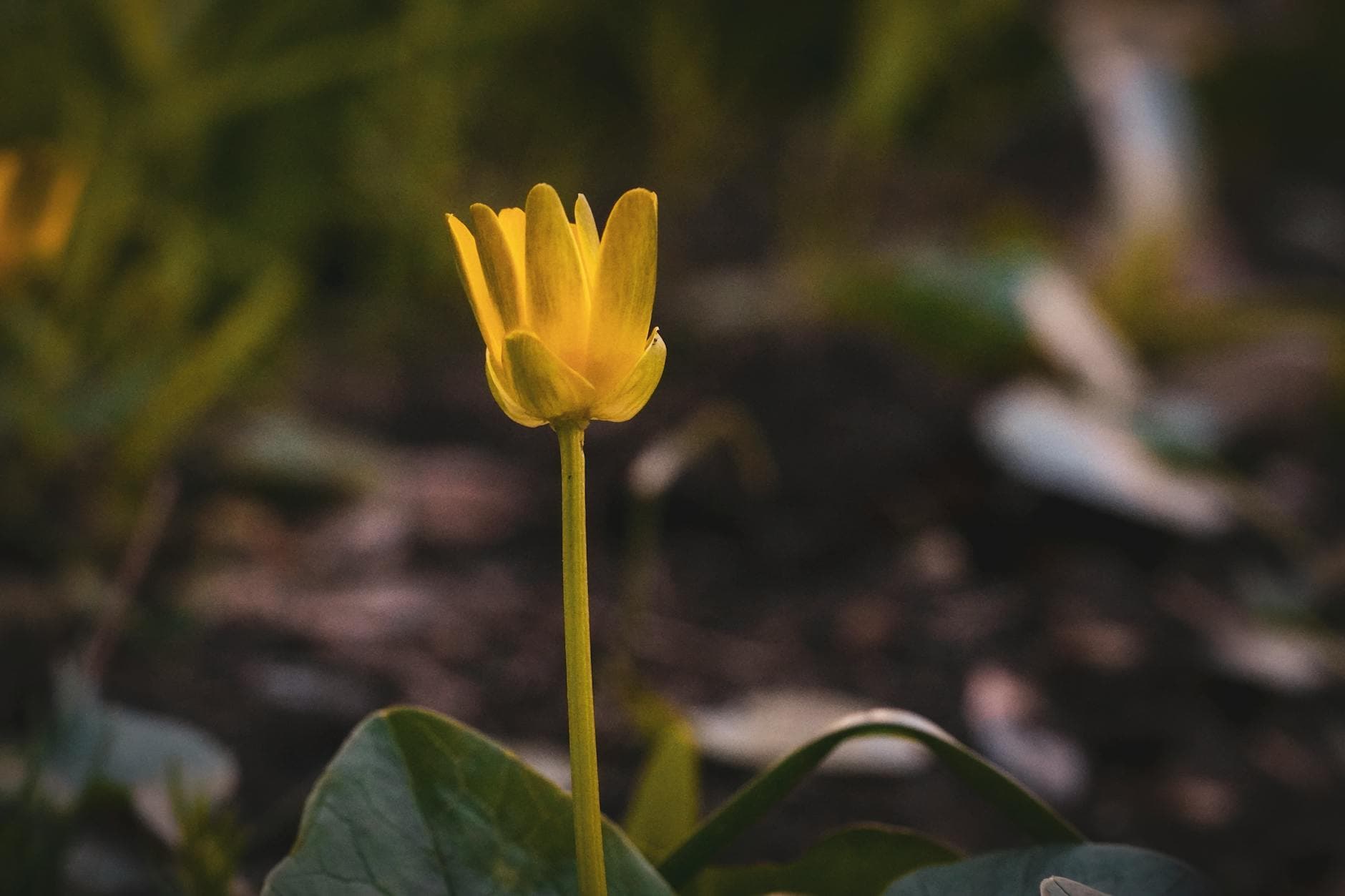
Saponins contribute to the anti-inflammatory and astringent activity in hemorrhoid preparations.
MoneywortWestern
Saponins partially characterised in Lysimachia species with documented anti-inflammatory activity.
RupturewortWestern
Triterpenoid saponins contribute to the diuretic mechanism and support urinary tract mucosal effects consistent with traditional use.
SanicleWestern
Triterpenoid saponins support expectorant and mucosal effects consistent with traditional respiratory and wound-healing applications.
TeaselWestern
Saponin fraction contributes to diuretic activity. Standard triterpenoid saponins characterised in pharmacognosy literature.
White CloverWestern
Support the traditional use of flower infusion for respiratory complaints.
Found In 12 Herbs




3D Molecular Structure
Saponin
Drag to rotate · Click atoms to explore
Saponins
SaponinFoaming glycosides with immune-modulating effects
Representative pattern: C₁₁H₁₄O₆
Atoms
Carbon
Oxygen
Related Compounds (Saponin)
Live Research
This information is for educational purposes only and does not constitute medical advice. Always consult a qualified healthcare practitioner before using any herbal product.
These statements have not been evaluated by the Food and Drug Administration. This product is not intended to diagnose, treat, cure, or prevent any disease. This content is for educational purposes only and is not a substitute for professional medical advice.