Loading…
Back to Compound Explorer
Sanguinarine
In vitroMechanism of Action
Intercalates DNA and inhibits topoisomerase; disrupts microbial cell membranes through interaction with membrane-bound enzymes; inhibits NF-kB signaling; induces apoptosis in cancer cell lines via mitochondrial pathway; at high concentrations causes direct tissue necrosis through protein denaturation
Antimicrobial through topoisomerase inhibition and cell membrane disruption; anti-inflammatory via TNF-alpha suppression
Research Notes
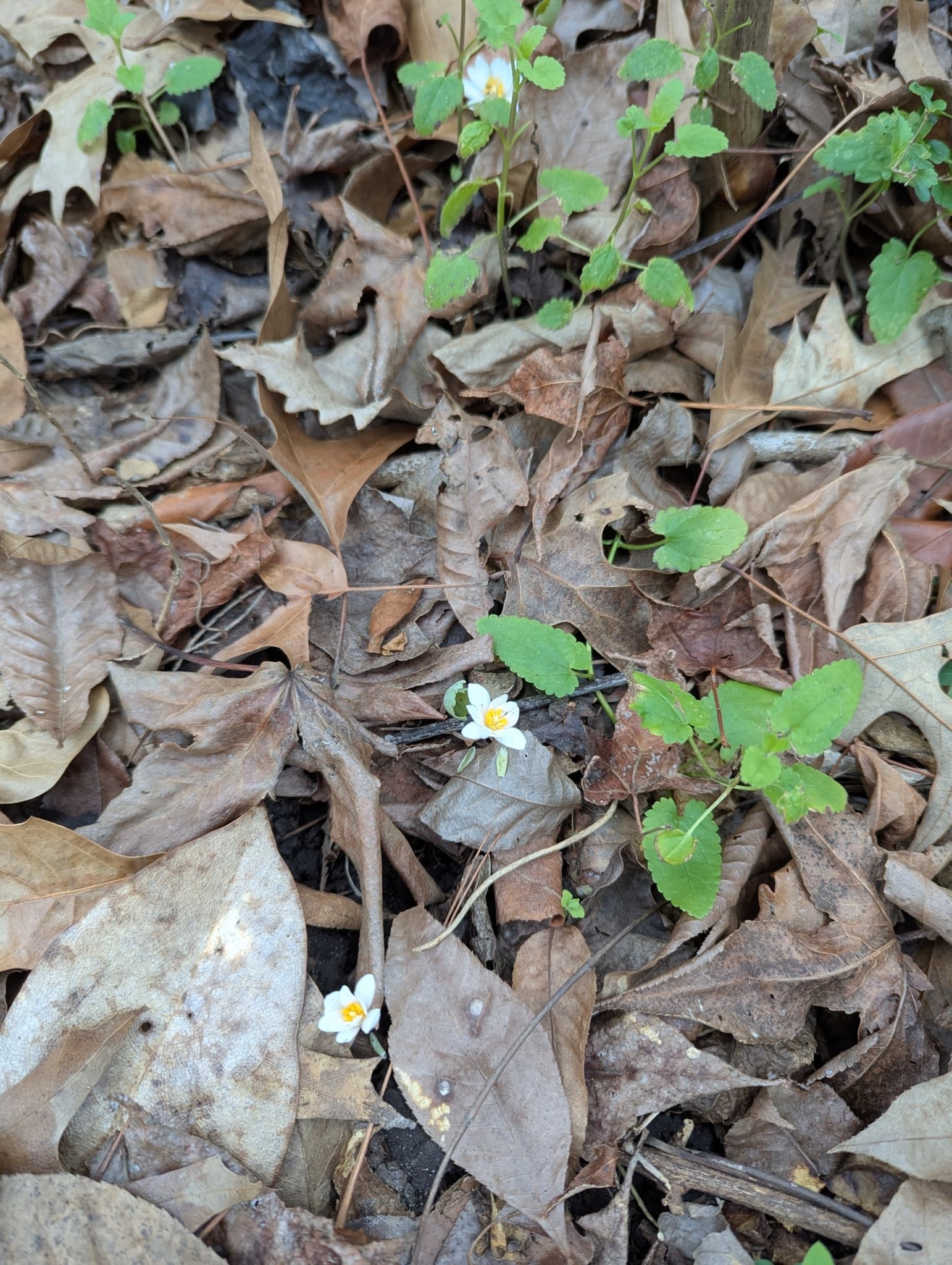
BloodrootWestern
Sanguinarine has demonstrated potent antimicrobial activity against Staphylococcus aureus (including MRSA), Streptococcus mutans, Candida albicans, and other pathogens in vitro. Anti-tumor activity has been shown in multiple cancer cell lines. Former use in dental products (Viadent toothpaste) was discontinued due to association with oral leukoplakia in long-term users. Cytotoxic concentration range is narrow, limiting therapeutic applications.
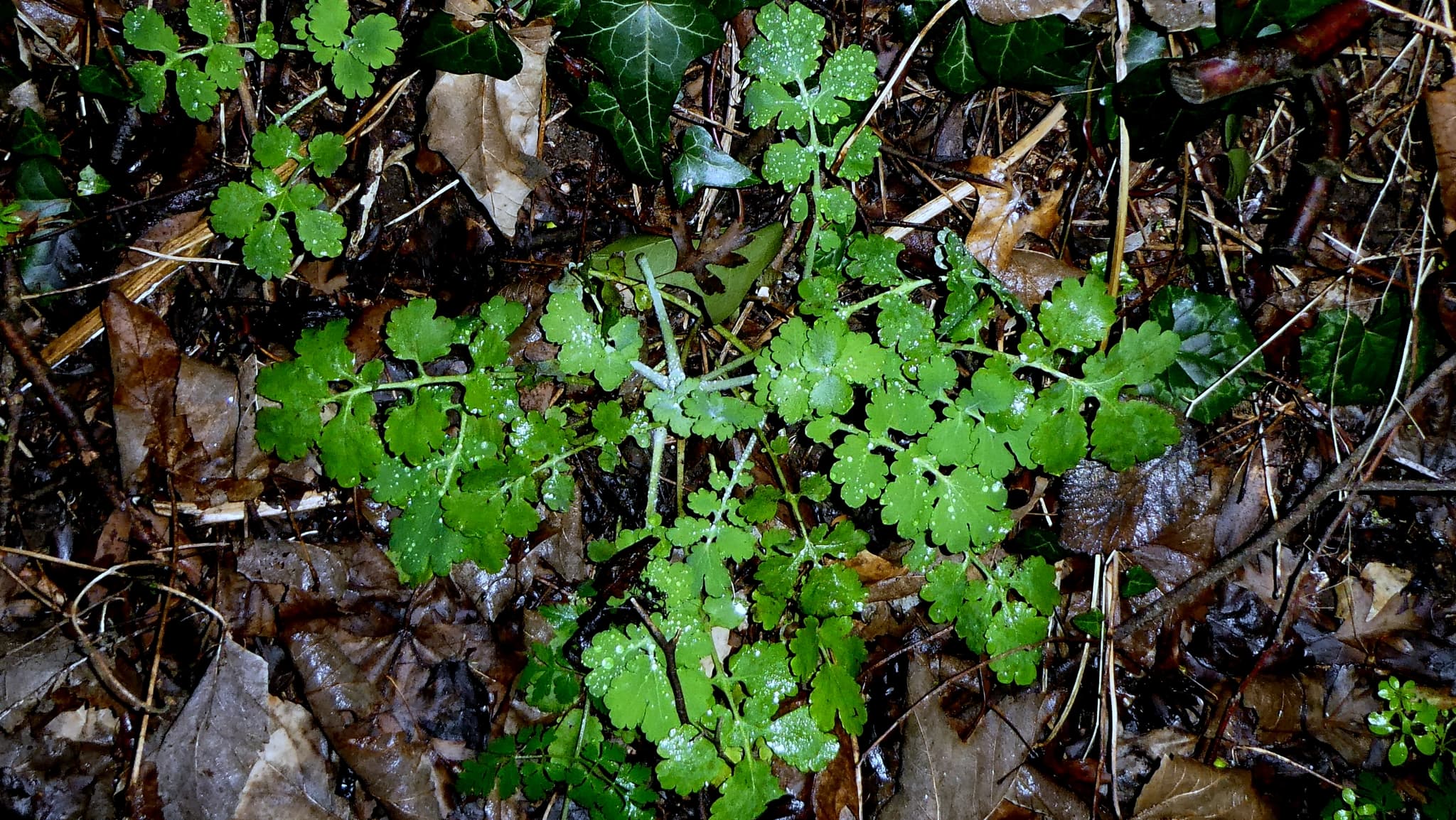
Chelidonium (Celandine)Western
Sanguinarine demonstrates antimicrobial activity against oral and GI pathogens. Anti-inflammatory effects documented in LPS-induced inflammation models.
Found In 2 Herbs
3D Molecular Structure
Benzophenanthridine isoquinoline alkaloid
Drag to rotate · Click atoms to explore
Sanguinarine
Benzophenanthridine isoquinoline alkaloidNitrogen-containing compounds with potent pharmacological effects
Representative pattern: C₉H₇N₂O
Atoms
Nitrogen
Carbon
Hydrogen
Oxygen
Related Compounds (Benzophenanthridine isoquinoline alkaloid)
Live Research
This information is for educational purposes only and does not constitute medical advice. Always consult a qualified healthcare practitioner before using any herbal product.
These statements have not been evaluated by the Food and Drug Administration. This product is not intended to diagnose, treat, cure, or prevent any disease. This content is for educational purposes only and is not a substitute for professional medical advice.