Loading…
Back to Compound Explorer
Polyporenic Acid C
In vitroMechanism of Action
Polyporenic acid C and related 24-methylene lanostane triterpenoids from F. betulina exhibit dual anti-inflammatory and antimicrobial activity. Anti-inflammatory effects are mediated through inhibition of 3-alpha-hydroxysteroid dehydrogenase (3-alpha-HSD) and through inhibition of bacterial hyaluronate lyase. Additionally, polyporenic acids suppress COX-2-mediated prostaglandin synthesis and reduce pro-inflammatory cytokine production (TNF-alpha, IL-6, IL-1beta) in activated macrophage models.
Research Notes
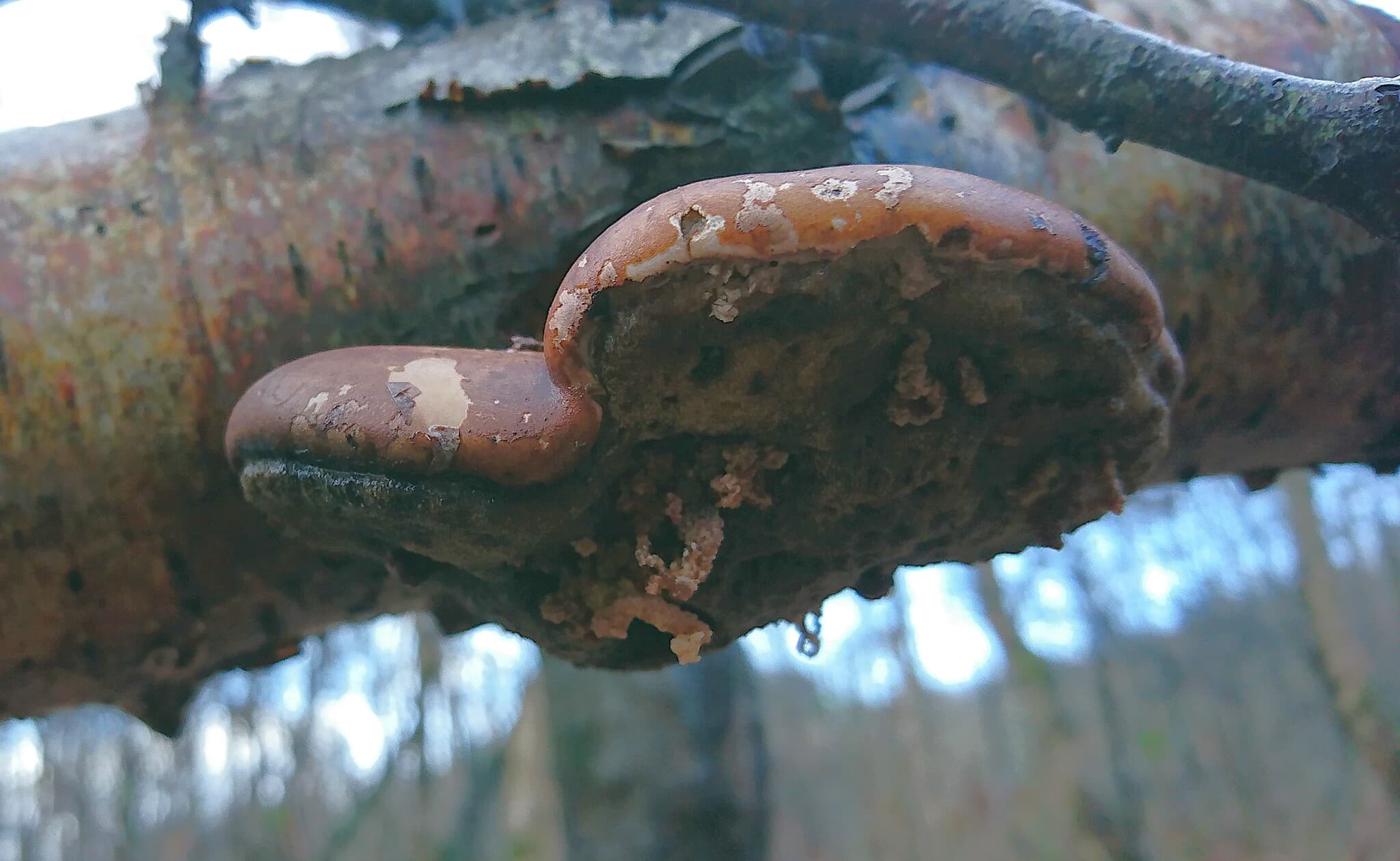
Birch PolyporeMushroom
A comprehensive phytochemical investigation identified 47 distinct lanostane-type triterpenoids in F. betulina, including 13 previously unreported structures designated polyporenic acids E through M. Polyporenic acid C demonstrated the strongest anti-inflammatory activity in the series, with potent inhibition of 3-alpha-HSD and bacterial hyaluronate lyase in enzyme inhibition assays. Cytotoxicity screening revealed moderate antiproliferative activity against several cancer cell lines. Trypanocidal activity was also documented against Trypanosoma brucei.
Found In 1 Herb
3D Molecular Structure
Lanostane-type triterpenoid
Drag to rotate · Click atoms to explore
Polyporenic Acid C
Lanostane-type triterpenoidModified terpenes with diverse biological activities
Representative pattern: C₁₀H₁₆O
Atoms
Carbon
Oxygen
Hydrogen
Related Compounds (Lanostane-type triterpenoid)
Live Research
This information is for educational purposes only and does not constitute medical advice. Always consult a qualified healthcare practitioner before using any herbal product.
These statements have not been evaluated by the Food and Drug Administration. This product is not intended to diagnose, treat, cure, or prevent any disease. This content is for educational purposes only and is not a substitute for professional medical advice.