Loading…
Back to Compound Explorer
Lucidenic acids (A, C, D2, E2, F, P)
PreliminaryMechanism of Action
Lucidenic acids are structurally related to ganoderic acids but possess a distinct oxidation pattern on the lanostane skeleton. Lucidenic acid A inhibits Epstein-Barr virus early antigen (EBV-EA) activation in Raji cells, suggesting chemopreventive potential against virus-associated cancers. Lucidenic acids also demonstrate anti-inflammatory activity via inhibition of TNF-α and COX-2 expression, and exhibit cytotoxicity against hepatoma and leukemia cell lines through induction of G1 cell cycle arrest.
Research Notes
ReishiMushroom
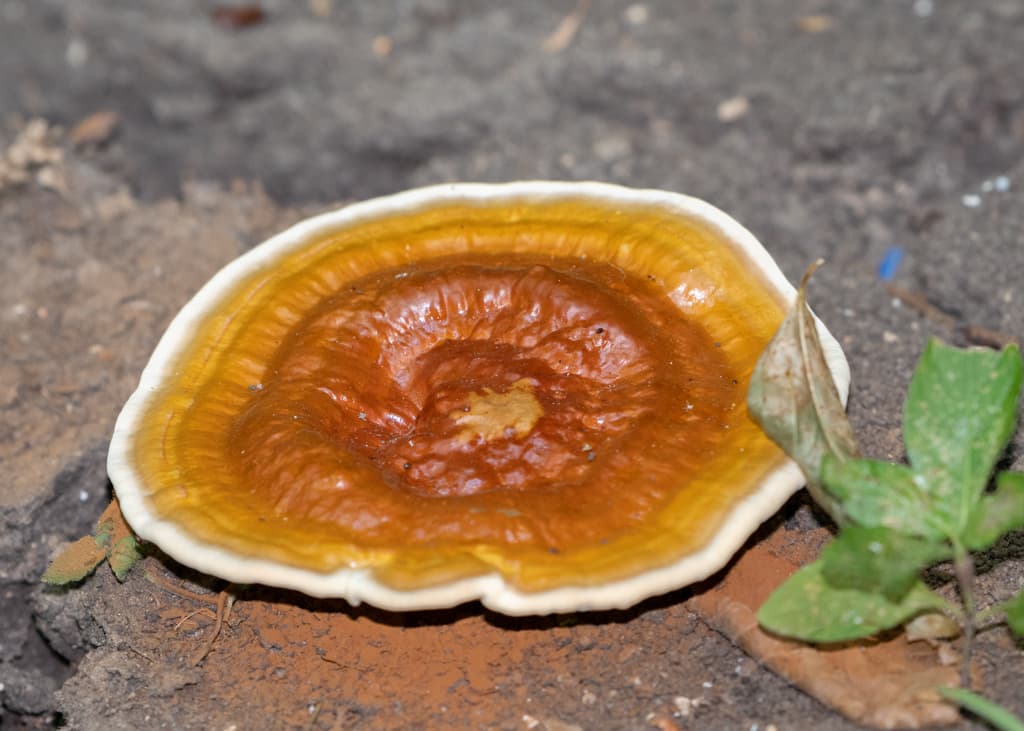
Lucidenic acids A, C, D2, E2, F, and P were shown to inhibit EBV-EA activation at IC50 values of 100–300 mol ratio/TPA in vitro (Akihisa et al., 2007, Journal of Natural Products). Lucidenic acid A demonstrated binding affinity to ACE2 receptor in molecular docking studies (2021 in silico research). All evidence is preclinical. Found exclusively in the fruiting body of G. lucidum and G. lingzhi; concentrations are higher in G. lingzhi.
Found In 1 Herb
3D Molecular Structure
Lanostane-type triterpenoids
Drag to rotate · Click atoms to explore
Lucidenic acids (A, C, D2, E2, F, P)
Lanostane-type triterpenoidsModified terpenes with diverse biological activities
Representative pattern: C₁₀H₁₆O
Atoms
Carbon
Oxygen
Hydrogen
Related Compounds (Lanostane-type triterpenoids)
Live Research
This information is for educational purposes only and does not constitute medical advice. Always consult a qualified healthcare practitioner before using any herbal product.
These statements have not been evaluated by the Food and Drug Administration. This product is not intended to diagnose, treat, cure, or prevent any disease. This content is for educational purposes only and is not a substitute for professional medical advice.