Loading…
Back to Compound Explorer
Ganoderic acids (A, B, C, D, F, T, DM)
ModerateMechanism of Action
Ganoderic acids are oxygenated lanostane triterpenes that exert anticancer activity through multiple mechanisms: direct cytotoxicity via mitochondrial apoptosis induction (caspase-3/9 activation), inhibition of topoisomerase II, suppression of NF-κB-mediated inflammatory signaling, and inhibition of 5α-reductase. Ganoderic acid T specifically triggers apoptosis in metastatic lung cancer cells through mitochondrial dysfunction and MAPK pathway modulation. Ganoderic acid DM inhibits androgen receptor signaling, making it of interest in prostate cancer research. Collectively, they also modulate histamine release from mast cells (anti-allergic) and inhibit HMG-CoA reductase (cholesterol-lowering).
Research Notes
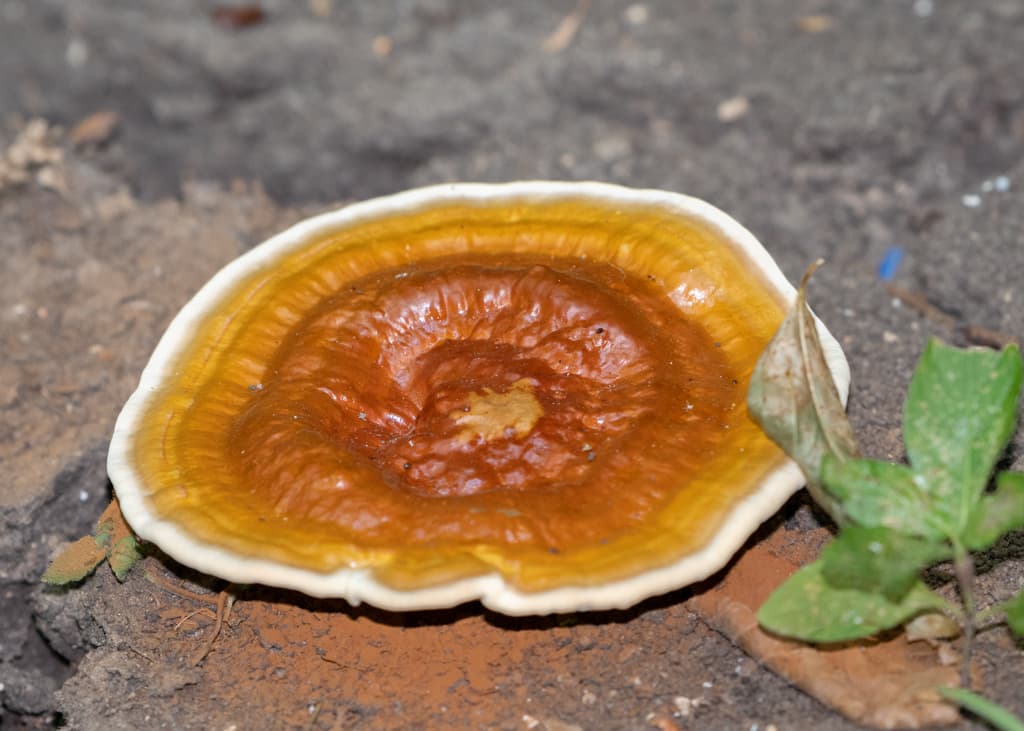
ReishiMushroom
Over 200 ganoderic acids have been isolated and characterized (Chen et al., 2019, Journal of Ethnopharmacology). Ganoderic acid T demonstrated significant cytotoxicity against lung cancer cell lines via mitochondrial apoptosis in vitro (Tang et al., 2006, Life Sciences). A 2012 systematic review of 5 RCTs (Jin et al., Cochrane Database) found Reishi extract improved host immune response in cancer patients when used alongside conventional therapy. Most triterpene research is from fruiting body extracts; spore preparations contain lower triterpene concentrations.
Found In 1 Herb
3D Molecular Structure
Lanostane-type triterpenoids
Drag to rotate · Click atoms to explore
Ganoderic acids (A, B, C, D, F, T, DM)
Lanostane-type triterpenoidsModified terpenes with diverse biological activities
Representative pattern: C₁₀H₁₆O
Atoms
Carbon
Oxygen
Hydrogen
Related Compounds (Lanostane-type triterpenoids)
Live Research
This information is for educational purposes only and does not constitute medical advice. Always consult a qualified healthcare practitioner before using any herbal product.
These statements have not been evaluated by the Food and Drug Administration. This product is not intended to diagnose, treat, cure, or prevent any disease. This content is for educational purposes only and is not a substitute for professional medical advice.