Loading…
Back to Compound Explorer
β-glucan polysaccharides
PreliminaryMechanism of Action
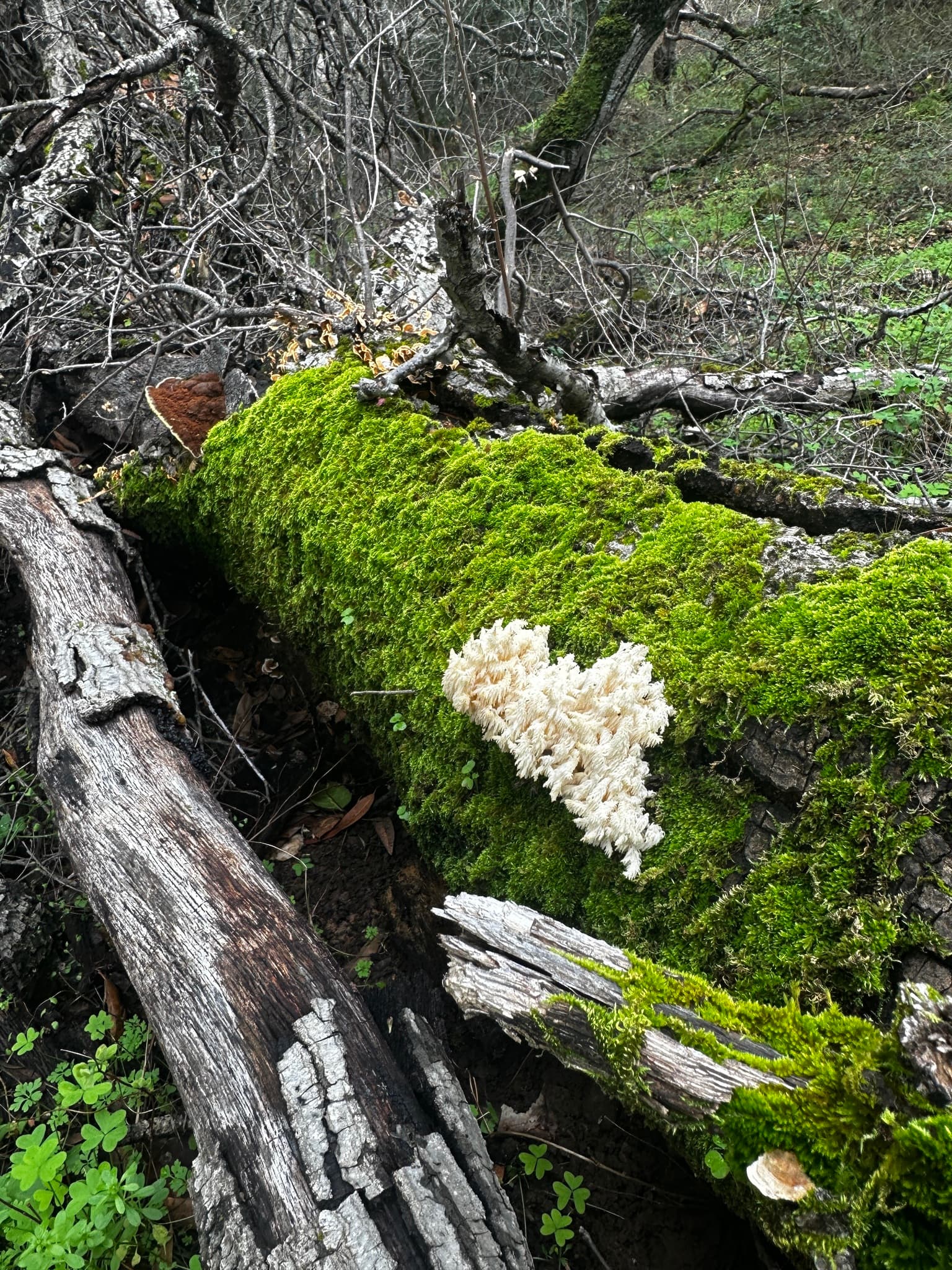
High-molecular-weight β-glucans from H. coralloides fruiting bodies activate innate immune responses through dectin-1 and complement receptor 3 (CR3) on macrophages and dendritic cells. Downstream signaling through Syk kinase and NF-κB promotes cytokine production (IL-1β, TNF-α, IFN-γ), enhanced phagocytosis, and natural killer cell activity. Anti-tumor effects involve activation of cytotoxic T lymphocytes and tumor-associated macrophage repolarization.
Research Notes
Coral Tooth FungusMushroom
Comparative studies show H. coralloides fruiting body extracts have higher total phenolic content (3.27 mg GAE/g) and DPPH radical scavenging activity (84.4% at 6.4 mg/mL) than H. erinaceus. Exopolysaccharides (EPS) demonstrated bioactivity against HepG2 liver cancer cells and MDA-MB-468 triple-negative breast cancer cells in vitro. Immunomodulatory effects on older adults' immune cells were documented in PBMC assays, with differential effects on Type I and II interferon responses compared to other medicinal mushroom extracts.
Found In 1 Herb
3D Molecular Structure
Beta-glucan polysaccharide
Drag to rotate · Click atoms to explore
β-glucan polysaccharides
Beta-glucan polysaccharideComplex carbohydrate polymers that modulate immune response
Representative pattern: (C₆H₁₀O₅)ₙ
Atoms
Carbon
Oxygen
Related Compounds (Beta-glucan polysaccharide)
Live Research
This information is for educational purposes only and does not constitute medical advice. Always consult a qualified healthcare practitioner before using any herbal product.
These statements have not been evaluated by the Food and Drug Administration. This product is not intended to diagnose, treat, cure, or prevent any disease. This content is for educational purposes only and is not a substitute for professional medical advice.