Loading…
Back to Compound Explorer
β-(1→3)-D-glucan polysaccharides
ModerateMechanism of Action
High-molecular-weight β-(1→3)-D-glucans with β-(1→6)-D-glucopyranosyl branch chains activate innate immune cells through dectin-1 and complement receptor 3 (CR3) recognition. Downstream signaling activates NF-κB and MAPK pathways, stimulating macrophage phagocytosis, NO production, and cytokine secretion (TNF-α, IL-1β, IL-6). Anti-inflammatory activity involves suppression of NF-κB activation under LPS stimulation, reducing pro-inflammatory cytokine overproduction.
Research Notes
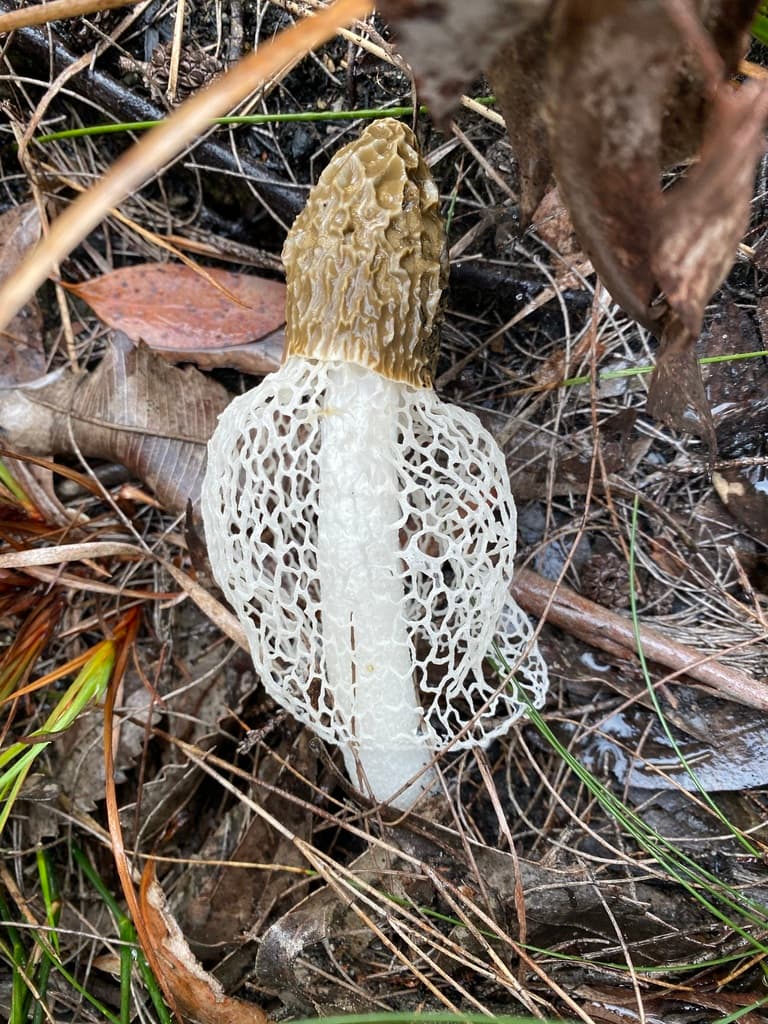
Bamboo FungusMushroom
Multiple in vitro and in vivo studies confirm immunomodulatory and anti-inflammatory properties. Aqueous extracts reduced NO production and pro-inflammatory cytokines (IL-1, IL-6, TNF-α) in LPS-stimulated PBMCs, with effects comparable to dexamethasone. Animal studies demonstrated anti-hyperlipidemic effects in high-fat diet models. Polysaccharide fractions also showed prebiotic effects promoting beneficial gut microbiota. Extracts promoted apoptosis in MCF-7 breast cancer cells by attenuating NF-κB and Akt activation.
Found In 1 Herb
3D Molecular Structure
Beta-glucan polysaccharide
Drag to rotate · Click atoms to explore
β-(1→3)-D-glucan polysaccharides
Beta-glucan polysaccharideComplex carbohydrate polymers that modulate immune response
Representative pattern: (C₆H₁₀O₅)ₙ
Atoms
Carbon
Oxygen
Related Compounds (Beta-glucan polysaccharide)
Live Research
This information is for educational purposes only and does not constitute medical advice. Always consult a qualified healthcare practitioner before using any herbal product.
These statements have not been evaluated by the Food and Drug Administration. This product is not intended to diagnose, treat, cure, or prevent any disease. This content is for educational purposes only and is not a substitute for professional medical advice.