Loading…
Back to Compound Explorer
Aspalathin
PreliminaryMechanism of Action
Activates AMPK signalling, inhibits NF-κB-mediated inflammatory pathways, and exhibits antioxidant activity via direct radical scavenging; unique to Aspalathus linearis. Also modulates glucose uptake in skeletal muscle cells via GLUT4 translocation.
Research Notes
RooibosAfrican
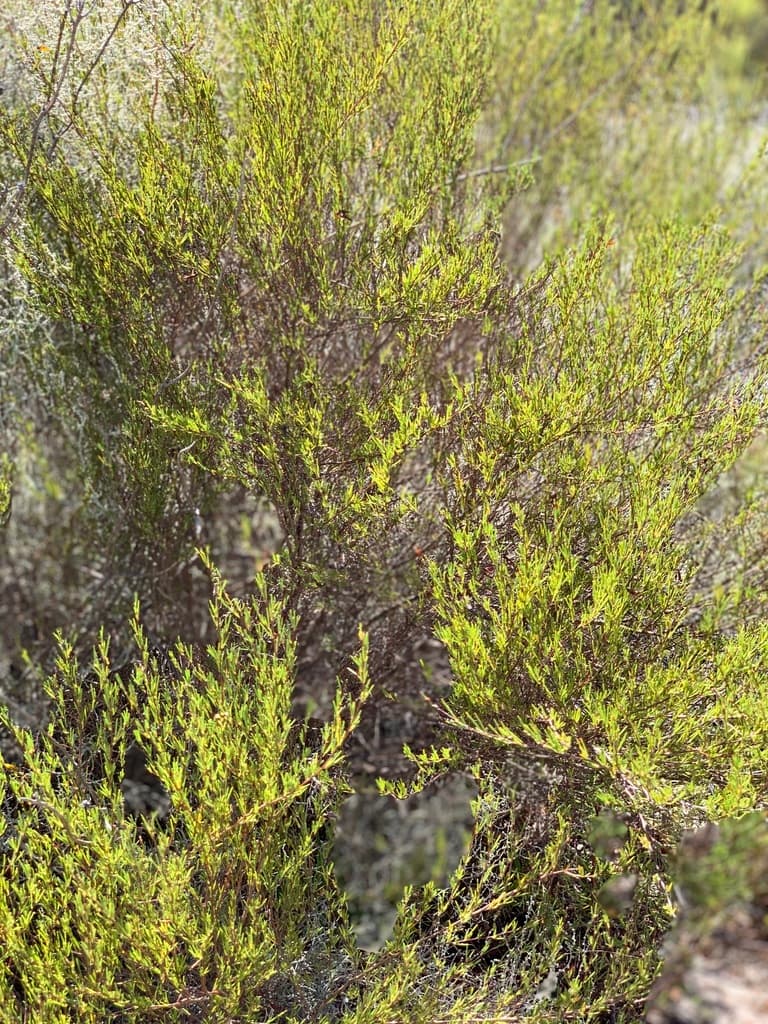
Preclinical studies demonstrate significant antidiabetic and cardioprotective effects, including reduced fasting blood glucose and improved insulin sensitivity in murine models. Human clinical data remain limited, but aspalathin is considered the primary bioactive responsible for rooibos's metabolic benefits.
Found In 1 Herb
3D Molecular Structure
Dihydrochalcone flavonoid
Drag to rotate · Click atoms to explore
Aspalathin
Dihydrochalcone flavonoidPolyphenolic antioxidants protecting cells from oxidative damage
Representative pattern: C₁₅H₁₀O₃
Atoms
Carbon
Oxygen
Related Compounds (Dihydrochalcone flavonoid)
Live Research
This information is for educational purposes only and does not constitute medical advice. Always consult a qualified healthcare practitioner before using any herbal product.
These statements have not been evaluated by the Food and Drug Administration. This product is not intended to diagnose, treat, cure, or prevent any disease. This content is for educational purposes only and is not a substitute for professional medical advice.