Loading…
Back to Compound Explorer
Tremella acidic polysaccharide (glucuronic acid-rich fraction)
In vitro / AnimalMechanism of Action
The glucuronic acid moieties provide antioxidant capacity through metal chelation (binding transition metal ions that catalyze Fenton reactions) and direct radical scavenging. In hepatocytes, glucuronic acid-rich polysaccharides upregulate superoxide dismutase (SOD), catalase (CAT), and glutathione peroxidase (GPx) gene expression, enhancing endogenous antioxidant defenses. Also demonstrates prebiotic effects, promoting growth of Bifidobacterium and Lactobacillus species in the gut.
Research Notes
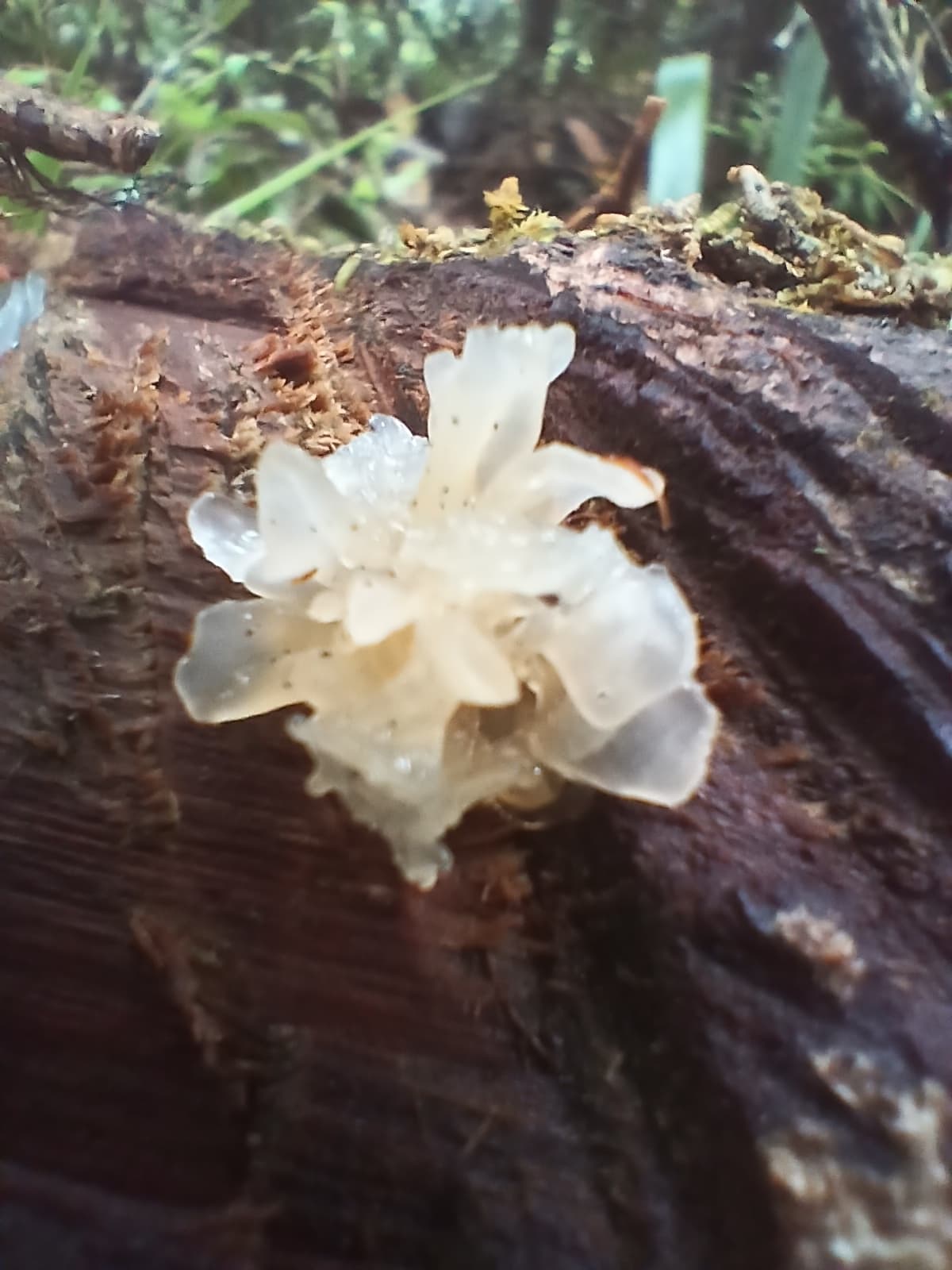
Tremella (Snow Fungus)Mushroom
Yang et al. (2015) showed that Tremella acidic polysaccharides protected mouse hepatocytes from CCl4-induced oxidative damage by restoring SOD and GPx activity to near-normal levels. Liu et al. (2018) demonstrated prebiotic activity of Tremella polysaccharides in human fecal fermentation models, with significant increases in short-chain fatty acid production and Bifidobacterium abundance. All evidence preclinical; human antioxidant and prebiotic studies are needed.
Found In 1 Herb
3D Molecular Structure
Acidic polysaccharide with high glucuronic acid content
Drag to rotate · Click atoms to explore
Tremella acidic polysaccharide (glucuronic acid-rich fraction)
Acidic polysaccharide with high glucuronic acid contentComplex carbohydrate polymers that modulate immune response
Representative pattern: (C₆H₁₀O₅)ₙ
Atoms
Carbon
Oxygen
Live Research
This information is for educational purposes only and does not constitute medical advice. Always consult a qualified healthcare practitioner before using any herbal product.
These statements have not been evaluated by the Food and Drug Administration. This product is not intended to diagnose, treat, cure, or prevent any disease. This content is for educational purposes only and is not a substitute for professional medical advice.