Loading…
Back to Compound Explorer
Sinigrin
In vitro / AnimalMechanism of Action
Primary glucosinolate precursor hydrolysed to allyl isothiocyanate; responsible for pungent garlic-mustard odour and topical antimicrobial/rubefacient activity
Hydrolyzes to allyl isothiocyanate, which exerts antimicrobial and expectorant activity on respiratory mucosa
Myrosinase substrate yielding AITC upon tissue disruption; intact sinigrin exerts direct anti-inflammatory activity via NF-κB inhibition independent of AITC conversion; anti-biofilm activity against E. coli and S. aureus through surface adhesion interference; antioxidant via induction of superoxide dismutase and catalase
Antimicrobial via allyl isothiocyanate release; anti-inflammatory; immunostimulant
Research Notes
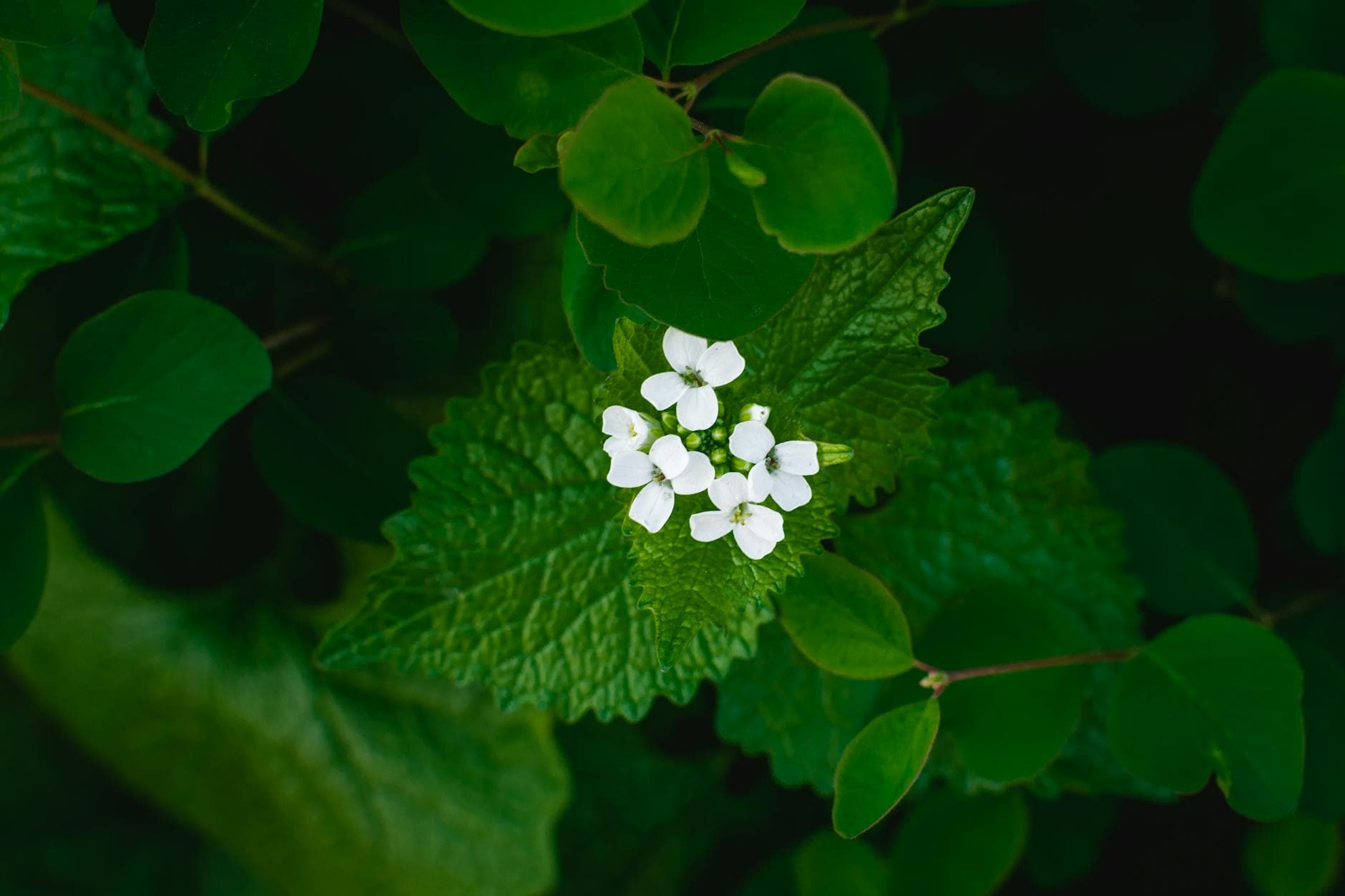
Garlic MustardWestern
Well-characterised glucosinolate found across Brassicaceae. Enzymatic hydrolysis yields allyl isothiocyanate, the primary active metabolite. Mechanism well understood.
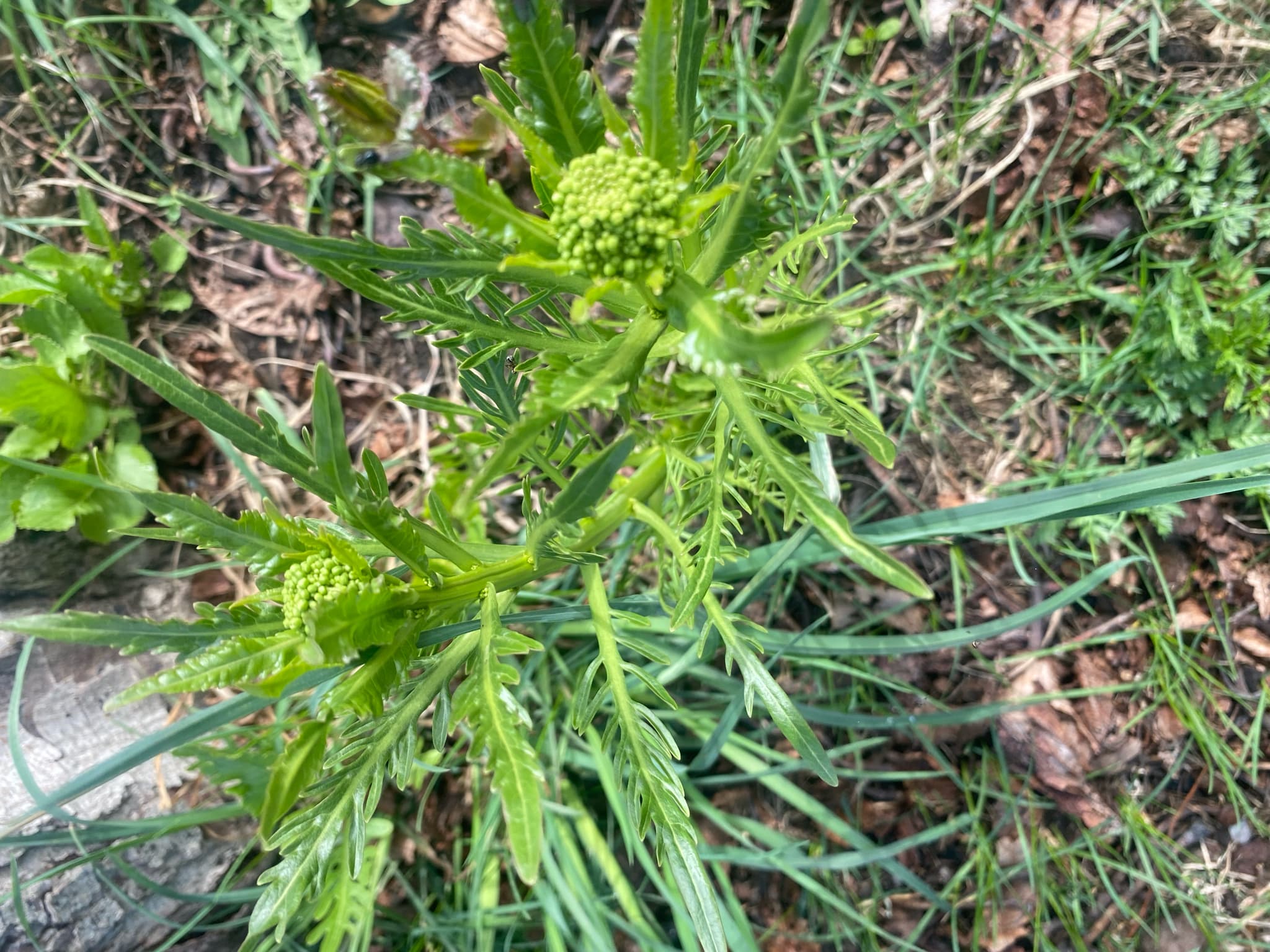
Hedge MustardWestern
Well-documented antimicrobial and expectorant properties from allyl isothiocyanate hydrolysis product. Consistent with traditional use for respiratory infections.
HorseradishWestern
Direct anti-inflammatory and anti-biofilm activities confirmed in independent in vitro studies. Sinigrin-to-AITC conversion efficiency varies by preparation method — relevant for standardizing medicinal products. Sinigrin content of fresh horseradish root is 40–200 mg/100 g dry weight, highest in young autumn-harvested roots.
Sinigrin is hydrolyzed to allyl isothiocyanate providing antimicrobial activity and contributing to heat-clearing properties.
Found In 4 Herbs

3D Molecular Structure
Glucosinolate
Drag to rotate · Click atoms to explore
Sinigrin
GlucosinolateBioactive phytochemical with therapeutic properties
Representative pattern: C₄H₂NO
Atoms
Carbon
Oxygen
Nitrogen
Hydrogen
Related Compounds (Glucosinolate)
Live Research
This information is for educational purposes only and does not constitute medical advice. Always consult a qualified healthcare practitioner before using any herbal product.
These statements have not been evaluated by the Food and Drug Administration. This product is not intended to diagnose, treat, cure, or prevent any disease. This content is for educational purposes only and is not a substitute for professional medical advice.