Loading…
Back to Compound Explorer
Schizophyllan Protein-Bound Fractions
In vitroMechanism of Action
Protein-bound polysaccharide fractions from S. commune contain glycoprotein complexes that may exhibit broader receptor binding than purified SPG alone. These fractions can interact with TLR2 and TLR4 in addition to dectin-1, activating MyD88-dependent signaling cascades and TRIF-mediated pathways. Recent research has identified compounds in S. commune that may inhibit angiotensin-converting enzyme 2 (ACE2) and transmembrane protease serine 2 (TMPRSS2) proteins — key host cell receptors exploited by coronaviruses for cellular entry.
Research Notes
Suehirotake / Splitgill MushroomMushroom
Preliminary in vitro studies identified S. commune-derived compounds with binding affinity for ACE2 and TMPRSS2, suggesting potential application in managing viral infections. Antimicrobial screening has demonstrated activity against multiple bacterial species. The protein-bound fractions have shown immunomodulatory effects distinct from purified SPG in cell culture assays. These findings remain largely at the in vitro and preliminary stage and require clinical validation.
Found In 1 Herb
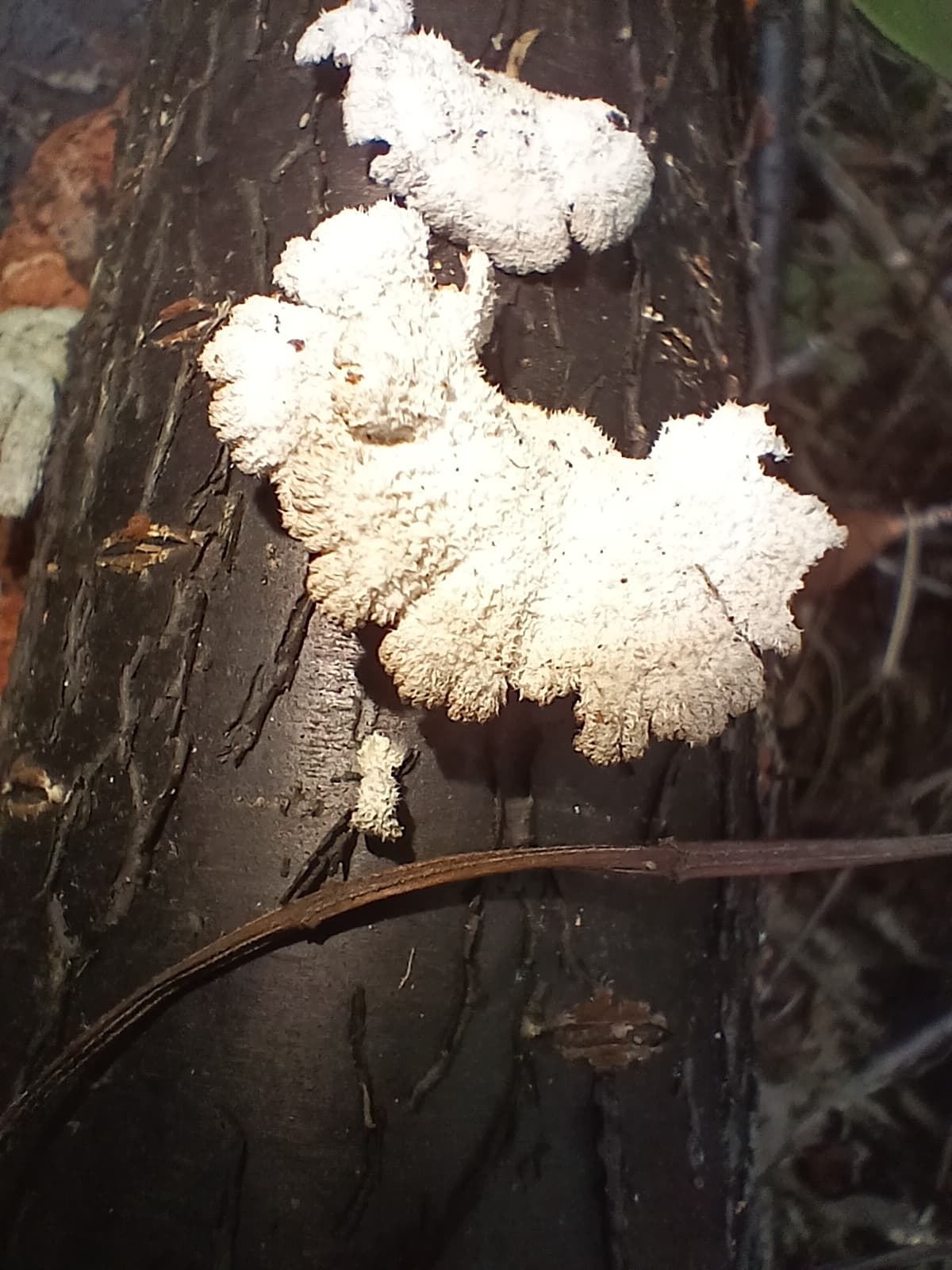
3D Molecular Structure
Glycoprotein complex
Drag to rotate · Click atoms to explore
Schizophyllan Protein-Bound Fractions
Glycoprotein complexBioactive phytochemical with therapeutic properties
Representative pattern: C₄H₂NO
Atoms
Carbon
Oxygen
Nitrogen
Hydrogen
Live Research
This information is for educational purposes only and does not constitute medical advice. Always consult a qualified healthcare practitioner before using any herbal product.
These statements have not been evaluated by the Food and Drug Administration. This product is not intended to diagnose, treat, cure, or prevent any disease. This content is for educational purposes only and is not a substitute for professional medical advice.