Loading…
Back to Compound Explorer
Salicin
Clinical trialMechanism of Action
Precursor to salicylaldehyde and salicylic acid; anti-inflammatory through COX inhibition
Metabolized to salicylic acid; inhibits COX-1/COX-2; reduces prostaglandin synthesis for analgesia and anti-inflammation
Converted to salicylic acid in intestines; inhibits COX-1/COX-2, reduces prostaglandin synthesis
Research Notes
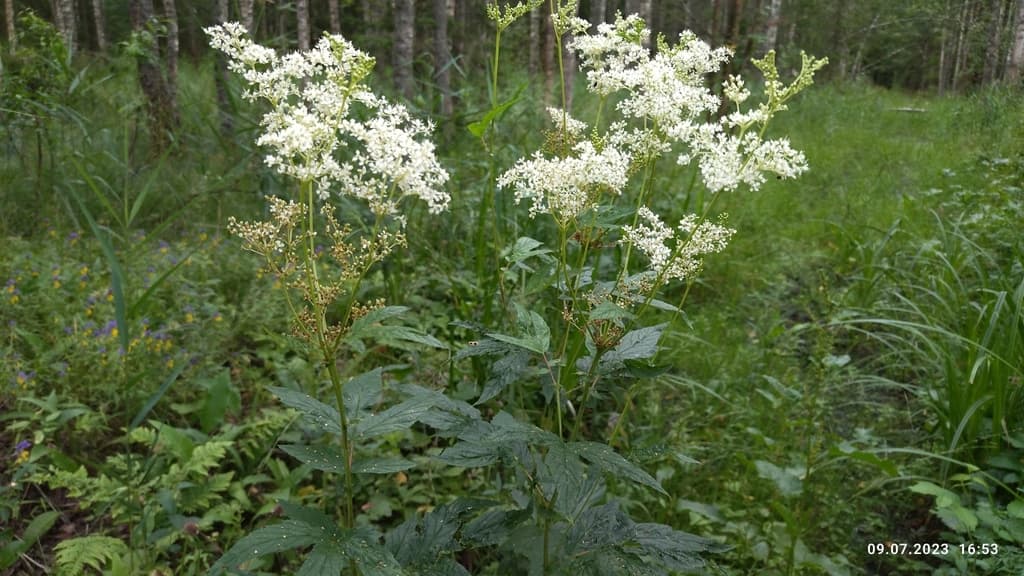
MeadowsweetWestern
Salicin undergoes gut bacterial hydrolysis to release salicylic acid. Animal models show anti-inflammatory activity comparable to low-dose aspirin without gastric ulceration risk.
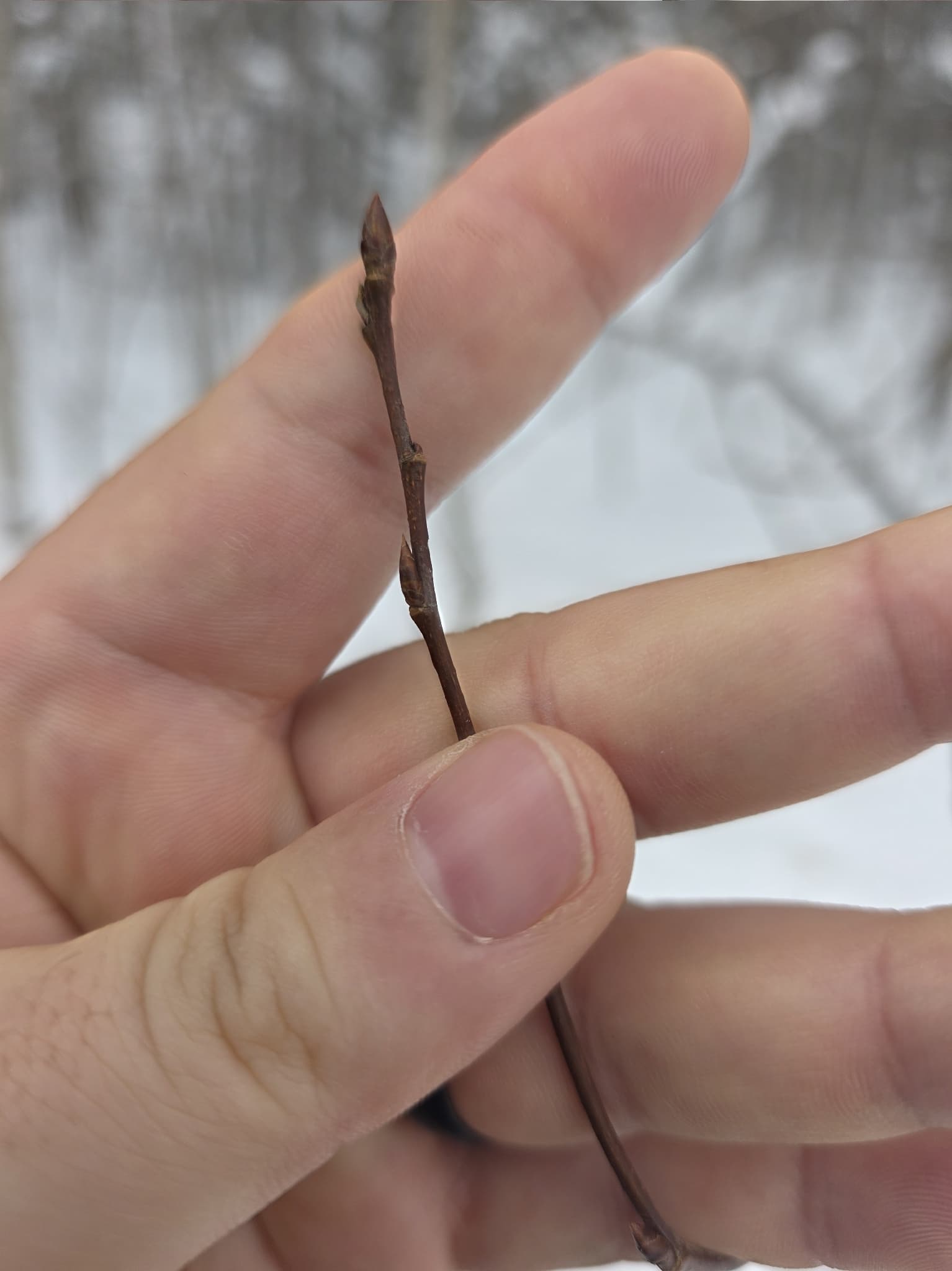
Poplar BarkWestern
Poplar bark contains salicin at concentrations (4-10%) comparable to white willow, providing similar anti-inflammatory and analgesic effects. Traditional use supports efficacy for arthritis and joint pain; clinical trials show efficacy in musculoskeletal conditions.
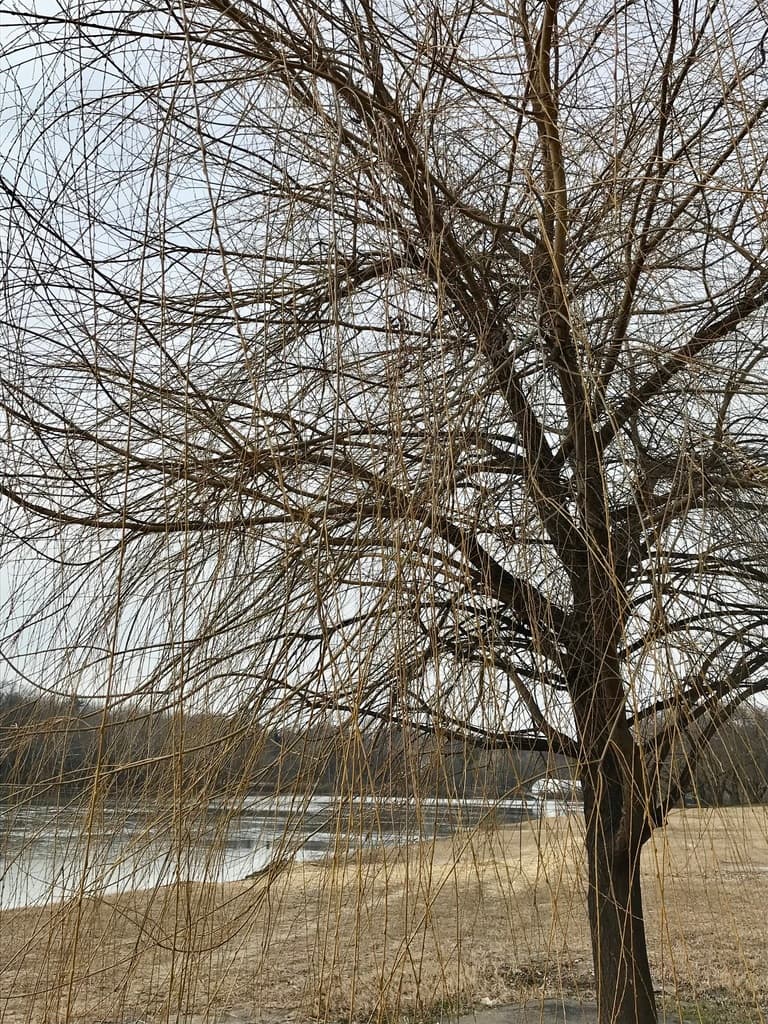
White Willow BarkWestern
Salicin from white willow bark demonstrates anti-inflammatory and analgesic effects comparable to acetylsalicylic acid, though with slower onset due to metabolic conversion requirements. Multiple clinical trials show efficacy for musculoskeletal pain, particularly lower back pain and osteoarthritis. Bioavailability improved when consumed with food.
Found In 3 Herbs
3D Molecular Structure
Phenolic glycoside
Drag to rotate · Click atoms to explore
Salicin
Phenolic glycosideSugar-bound molecules that control drug release in the body
Representative pattern: C₁₁H₁₄O₆
Atoms
Carbon
Oxygen
Related Compounds (Phenolic glycoside)
Live Research
This information is for educational purposes only and does not constitute medical advice. Always consult a qualified healthcare practitioner before using any herbal product.
These statements have not been evaluated by the Food and Drug Administration. This product is not intended to diagnose, treat, cure, or prevent any disease. This content is for educational purposes only and is not a substitute for professional medical advice.