Loading…
Back to Compound Explorer
Rutin (rutoside)
StrongMechanism of Action
Rutin strengthens capillary walls by inhibiting hyaluronidase and reducing capillary permeability through stabilization of endothelial gap junctions. It chelates iron ions, reducing Fenton reaction-driven hydroxyl radical formation. Rutin also inhibits platelet aggregation by blocking phosphodiesterase and reducing thromboxane A2 synthesis, and modulates VEGF signaling in vascular endothelium.
Research Notes
RueWestern
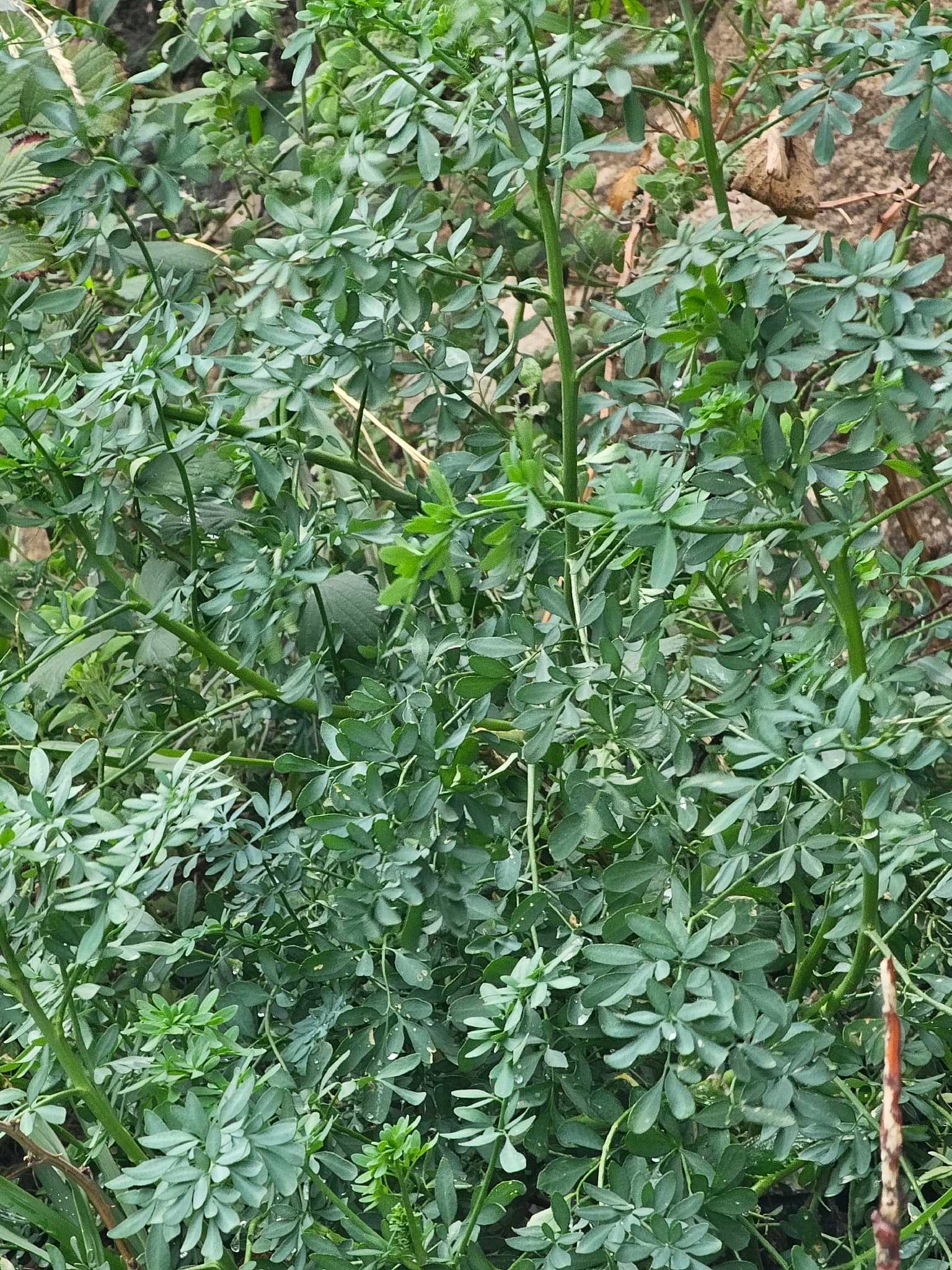
Rutin was first isolated from Ruta graveolens in 1842, giving the compound its name. Multiple clinical studies support rutin's efficacy for chronic venous insufficiency (CVI), with a Cochrane-adjacent systematic review showing significant reduction in ankle edema and heaviness symptoms. A meta-analysis of RCTs (Defined Daily Dose 500–1000 mg) for CVI showed statistically significant improvement in leg volume and symptom scores. Rutin and its semi-synthetic derivative troxerutin are approved venotonics in several European countries.
Found In 1 Herb
3D Molecular Structure
Flavonoid glycoside (quercetin-3-O-rutinoside)
Drag to rotate · Click atoms to explore
Rutin (rutoside)
Flavonoid glycoside (quercetin-3-O-rutinoside)Polyphenolic antioxidants protecting cells from oxidative damage
Representative pattern: C₁₅H₁₀O₃
Atoms
Carbon
Oxygen
Live Research
This information is for educational purposes only and does not constitute medical advice. Always consult a qualified healthcare practitioner before using any herbal product.
These statements have not been evaluated by the Food and Drug Administration. This product is not intended to diagnose, treat, cure, or prevent any disease. This content is for educational purposes only and is not a substitute for professional medical advice.