Loading…
Back to Compound Explorer
Rutin
Clinical trialMechanism of Action
Quercetin-3-rutinoside; reduces capillary fragility, anti-inflammatory and antioxidant; supports hemostatic action
Vascular protective and anti-inflammatory flavonoid; reduces capillary fragility relevant to urinary tract inflammation
Antioxidant and anti-inflammatory flavonoid supporting capillary integrity and reducing vascular permeability
Reduces capillary permeability and fragility through inhibition of hyaluronidase and protection of endothelial cell tight junctions; exhibits anti-inflammatory activity via suppression of NF-κB and COX-2; antioxidant through free radical scavenging and metal ion chelation.
Strengthens capillary walls; antioxidant through radical scavenging; anti-inflammatory via NF-kB inhibition
Anti-inflammatory via inhibition of NF-kB and MAPK signaling; antioxidant; capillary-strengthening through reduced vascular permeability
Anti-inflammatory; antioxidant; capillary strengthening; antihistamine
Anti-inflammatory and capillary-protective flavonoid; contributes to renal anti-inflammatory activity and reduces vascular permeability
Vascular protectant through capillary stabilization; enhances intestinal barrier through tight junction modulation
Anti-inflammatory; antioxidant; capillary-strengthening; reduces vascular permeability
Research Notes
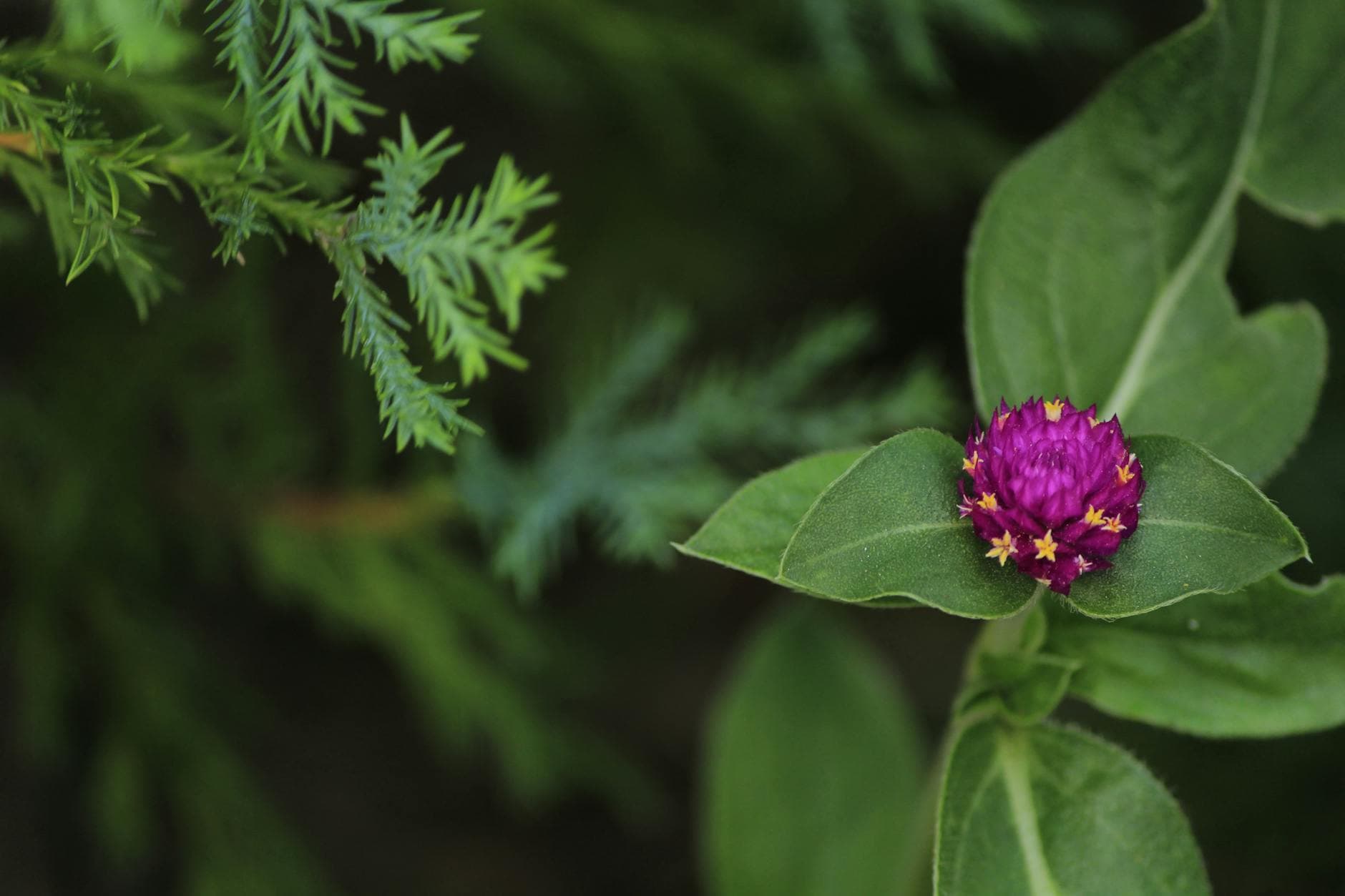
AmaranthWestern
Strong clinical evidence for vascular protection and capillary strengthening.
AsparagusWestern
Strong clinical evidence for vascular protection and anti-inflammatory activity.
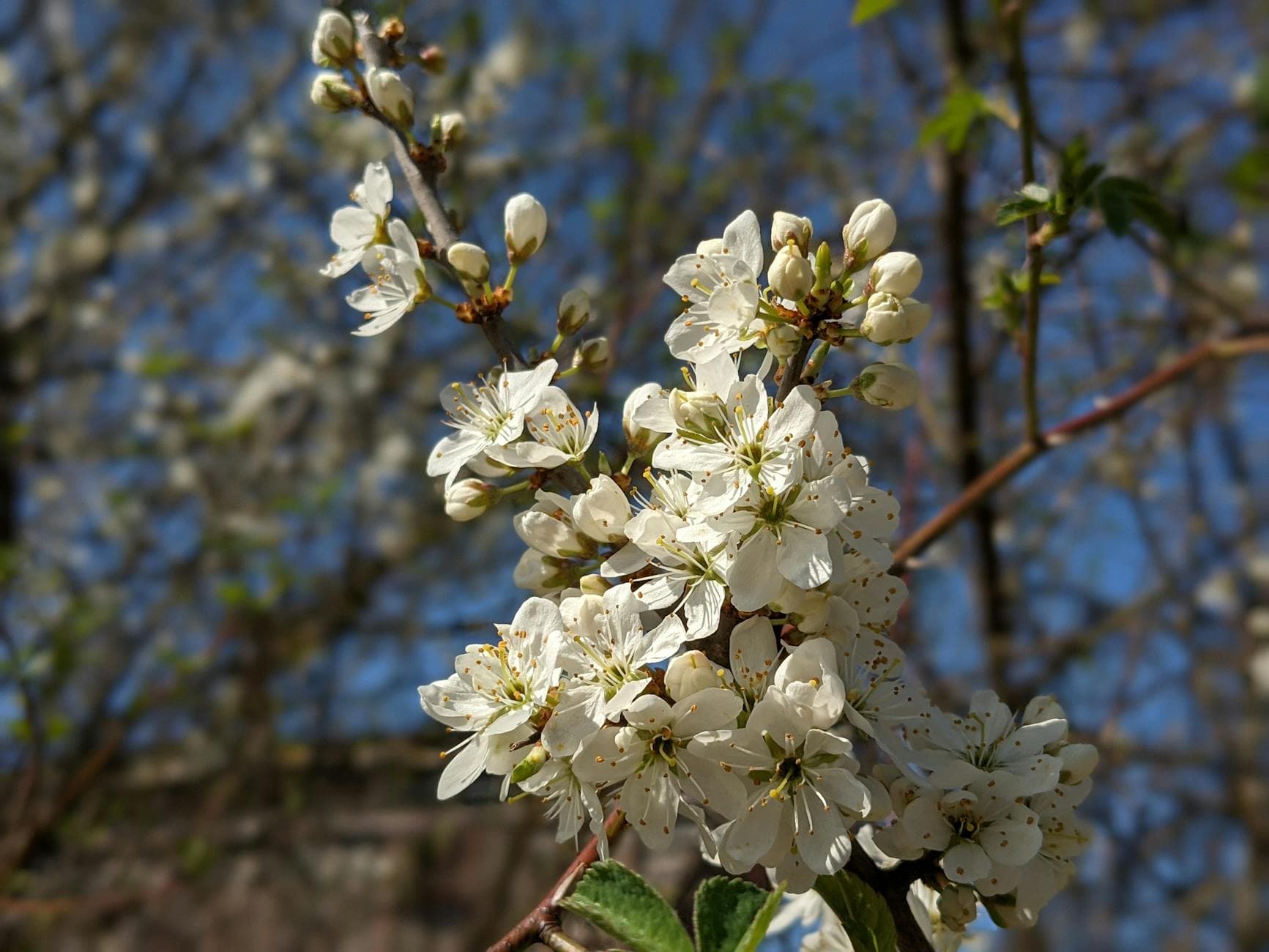
Blackthorn (Sloe)Western
Rutin is a well-studied flavonoid glycoside with established capillary-protective and anti-inflammatory properties.
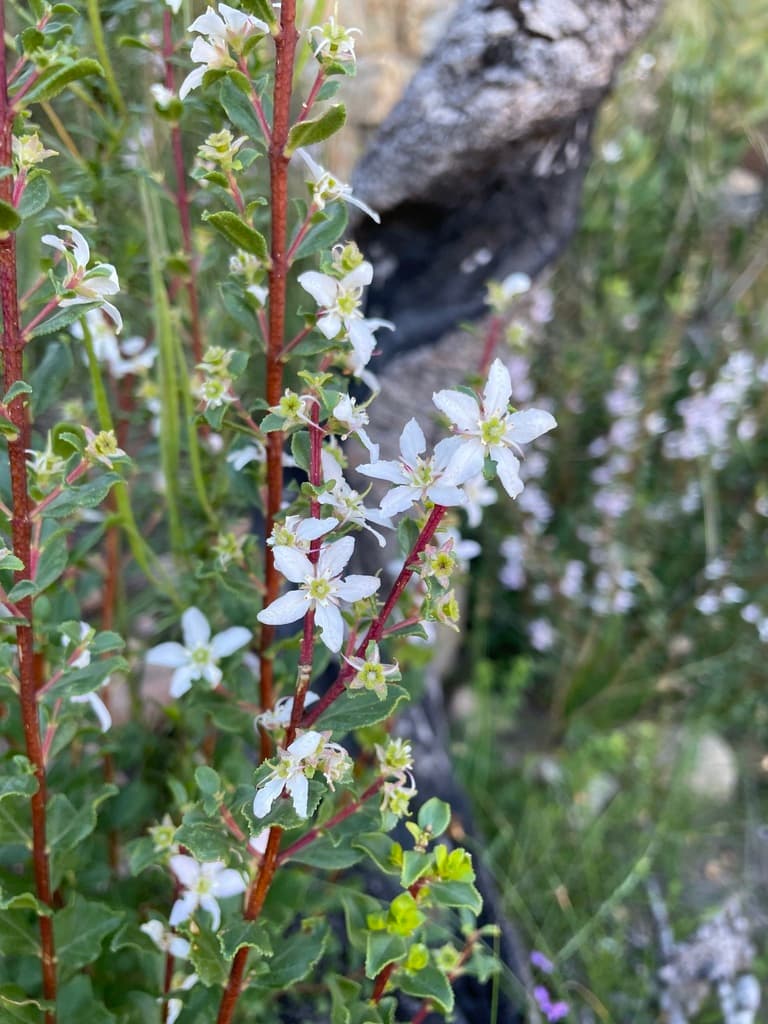
BuchuAfrican
Rutin is extensively studied across multiple sources. Its anti-inflammatory and venoprotective properties are well supported in clinical literature for venous insufficiency and capillary fragility. Contribution of rutin from Buchu leaf at typical doses is modest but likely augments the anti-inflammatory profile relevant to urinary tract and rheumatic indications.
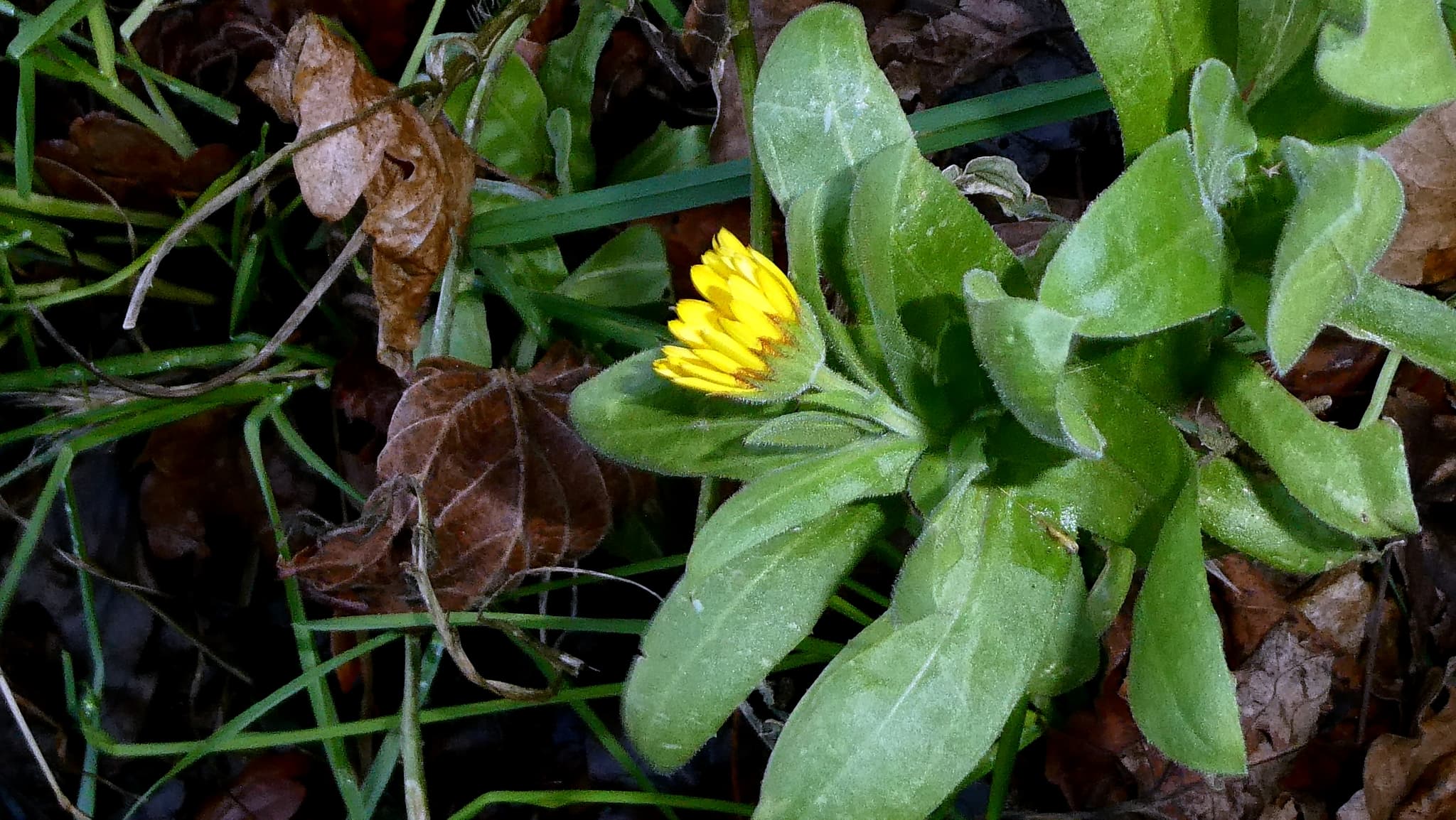
CalendulaWestern
Rutin from calendula contributes to vascular-protective and anti-inflammatory actions. It reduces capillary permeability and has demonstrated wound-healing benefits.
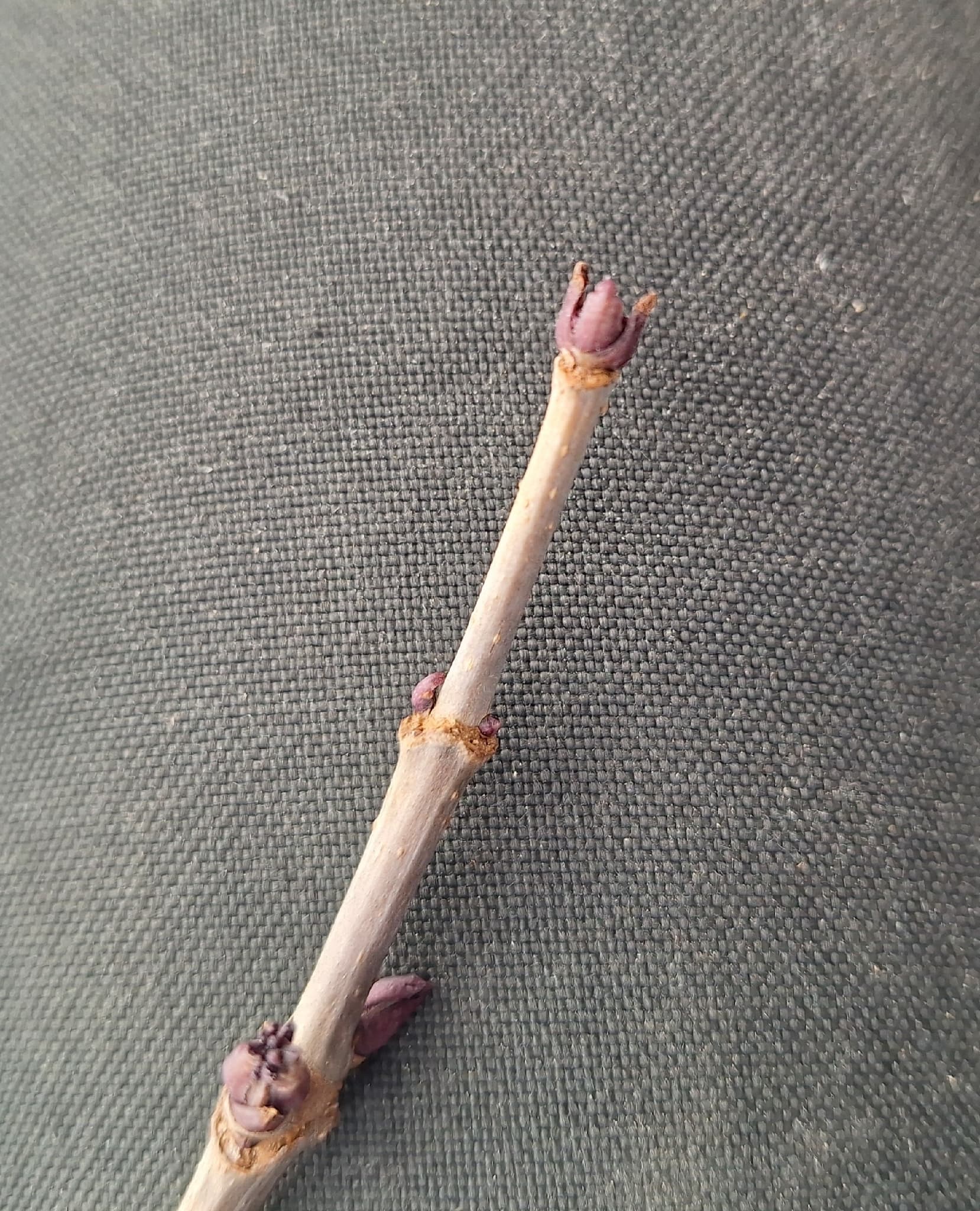
ElderberryWestern
Rutin contributes to elderberry anti-inflammatory profile. Clinical studies support vascular protective effects and reduced capillary fragility. Synergizes with anthocyanins for immune support.
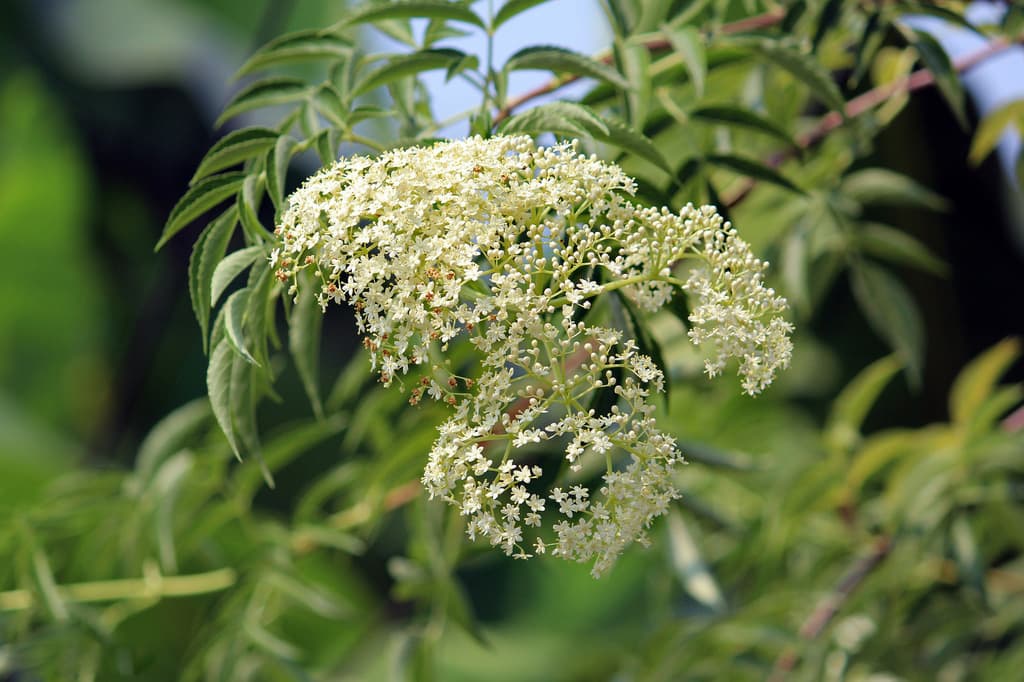
ElderflowerWestern
Reduces capillary fragility; anti-inflammatory and antioxidant; contributes to anti-allergic and decongestant effects of elderflower
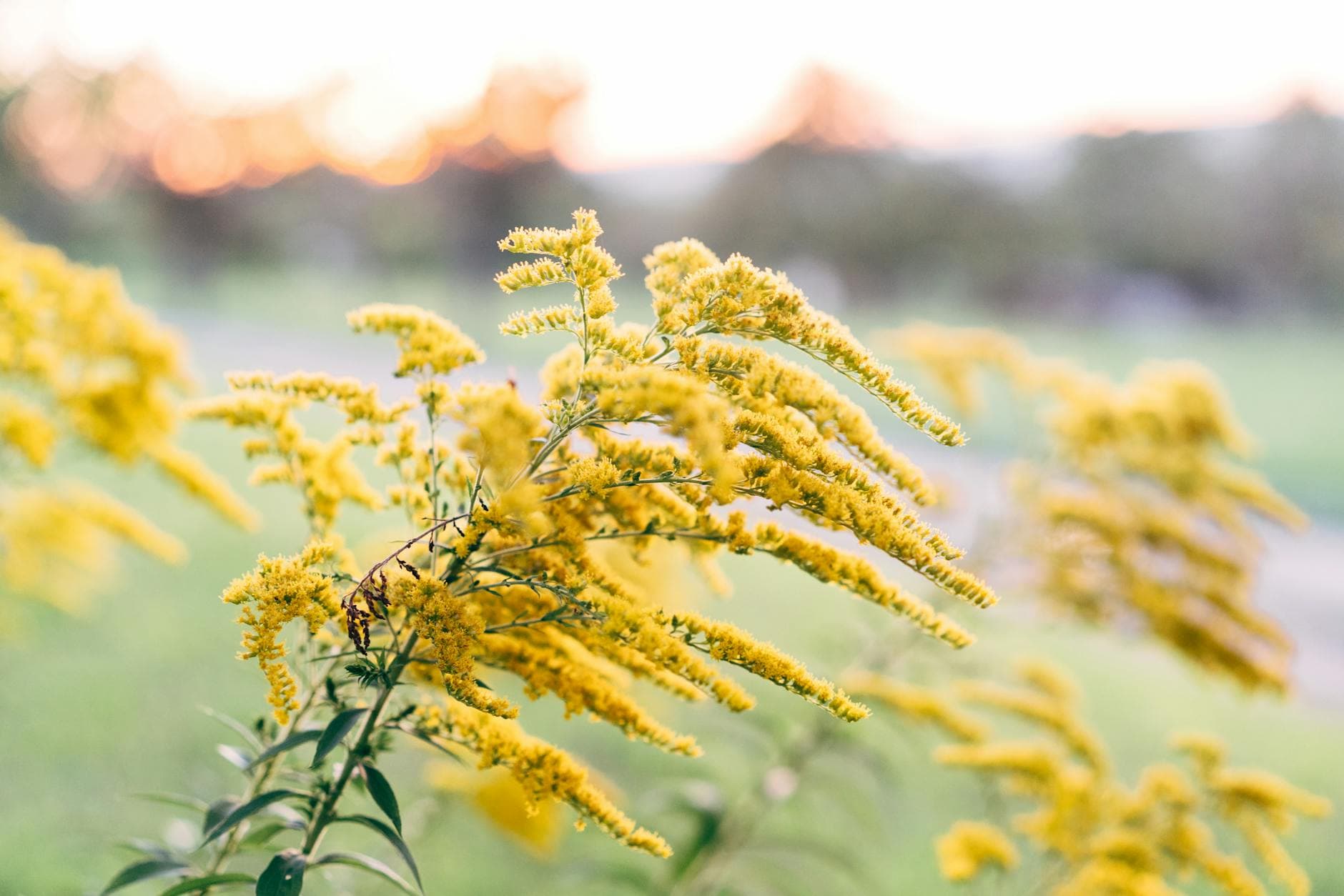
GoldenrodWestern
Anti-inflammatory and capillary-protective effects well established. Contributes to renal anti-inflammatory activity in goldenrod preparations.
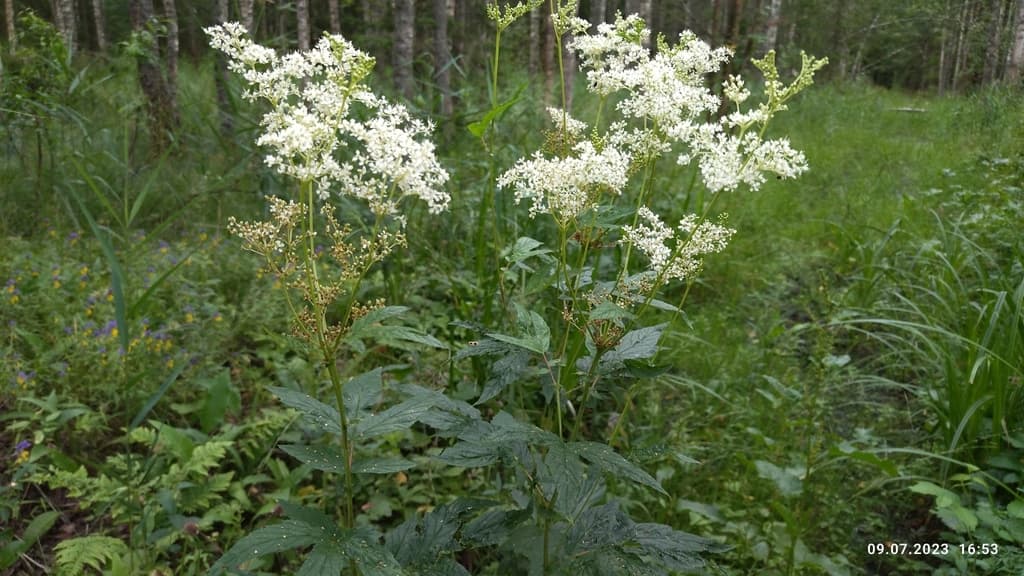
MeadowsweetWestern
Rutin strengthens intestinal tight junctions through ZO-1 and claudin upregulation in Caco-2 models. Anti-inflammatory activity documented in multiple inflammatory diarrhea models.
Rutin is a major flavonoid contributing to heat-clearing and detoxifying effects. Clinical evidence supports anti-inflammatory and vascular protective properties.
Found In 10 Herbs

3D Molecular Structure
Flavonoid glycoside
Drag to rotate · Click atoms to explore
Rutin
Flavonoid glycosidePolyphenolic antioxidants protecting cells from oxidative damage
Representative pattern: C₁₅H₁₀O₃
Atoms
Carbon
Oxygen
Related Compounds (Flavonoid glycoside)
Live Research
This information is for educational purposes only and does not constitute medical advice. Always consult a qualified healthcare practitioner before using any herbal product.
These statements have not been evaluated by the Food and Drug Administration. This product is not intended to diagnose, treat, cure, or prevent any disease. This content is for educational purposes only and is not a substitute for professional medical advice.