Loading…
Back to Compound Explorer
Pyrrolizidine alkaloids (lycopsamine, intermedine)
StrongMechanism of Action
Unsaturated PAs are bioactivated in the liver by CYP3A4 to form reactive pyrrolic metabolites (dehydropyrrolizidine alkaloids) that cross-link DNA and proteins, causing hepatocyte necrosis (sinusoidal obstruction syndrome/veno-occlusive disease), hepatic fibrosis, and potentially hepatocellular carcinoma with chronic exposure. The reactive metabolites alkylate cellular macromolecules and disrupt hepatic sinusoidal endothelium.
Research Notes
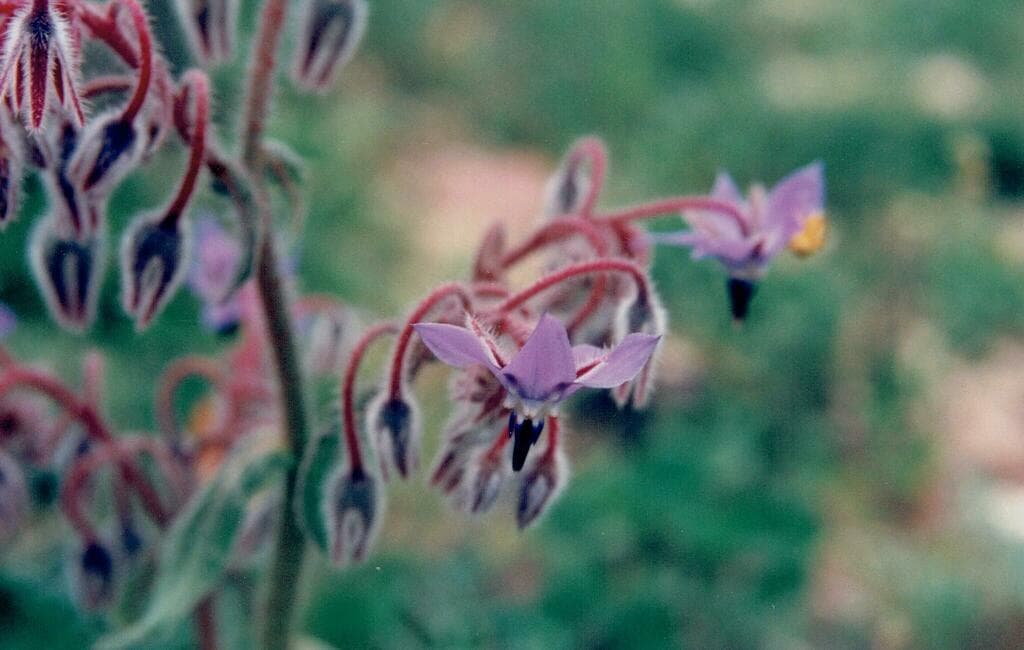
BorageWestern
The European Medicines Agency established a maximum daily intake of 0.007 µg/kg body weight for unsaturated PAs from herbal products (2014 assessment). Borage leaf contains measurable levels of lycopsamine and intermedine, necessitating PA-free certification for any internal use product. Borage seed oil typically contains less than 0.5 µg/mL total PAs and is generally considered safe. The German BfR (Federal Institute for Risk Assessment) specifically warns against internal use of borage leaf preparations that have not been tested for PA content.
Found In 1 Herb
3D Molecular Structure
Pyrrolizidine alkaloid (1,2-unsaturated necine type)
Drag to rotate · Click atoms to explore
Pyrrolizidine alkaloids (lycopsamine, intermedine)
Pyrrolizidine alkaloid (1,2-unsaturated necine type)Nitrogen-containing compounds with potent pharmacological effects
Representative pattern: C₉H₇N₂O
Atoms
Nitrogen
Carbon
Hydrogen
Oxygen
Live Research
This information is for educational purposes only and does not constitute medical advice. Always consult a qualified healthcare practitioner before using any herbal product.
These statements have not been evaluated by the Food and Drug Administration. This product is not intended to diagnose, treat, cure, or prevent any disease. This content is for educational purposes only and is not a substitute for professional medical advice.