Loading…
Back to Compound Explorer
Psoralen and bergapten
StrongMechanism of Action
Furanocoumarins intercalate into DNA and, upon activation by UVA radiation (320–400 nm), form mono- and di-adducts with pyrimidine bases (primarily thymine), creating interstrand cross-links that inhibit DNA replication and transcription. This photochemical reaction underlies both the phototoxic dermatitis caused by skin contact and the therapeutic application in PUVA photochemotherapy for psoriasis and vitiligo.
Research Notes
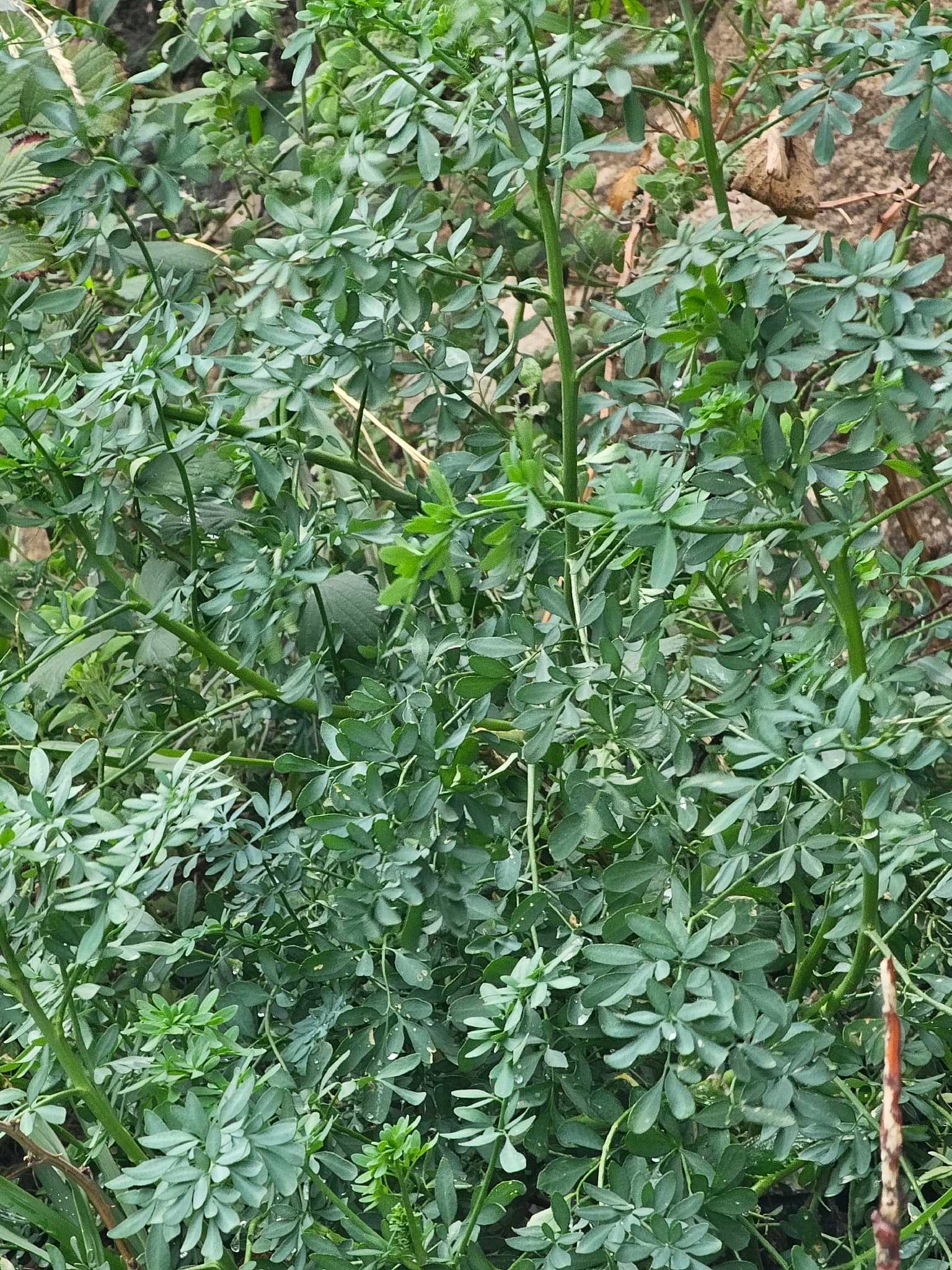
RueWestern
The phototoxic mechanism of furanocoumarins is extensively characterized (Pathak et al., 1974). Psoralen-UVA (PUVA) therapy has been used clinically since the 1970s for psoriasis, vitiligo, and cutaneous T-cell lymphoma with well-established efficacy in multiple large RCTs. The International Agency for Research on Cancer (IARC) classifies psoralen plus UVA as a Group 1 carcinogen with long-term therapeutic use. Case reports of phytophotodermatitis from rue are well documented in dermatology literature.
Found In 1 Herb
3D Molecular Structure
Furanocoumarin
Drag to rotate · Click atoms to explore
Psoralen and bergapten
FuranocoumarinBioactive phytochemical with therapeutic properties
Representative pattern: C₇H₆O₃
Atoms
Carbon
Oxygen
Hydrogen
Related Compounds (Furanocoumarin)
Live Research
This information is for educational purposes only and does not constitute medical advice. Always consult a qualified healthcare practitioner before using any herbal product.
These statements have not been evaluated by the Food and Drug Administration. This product is not intended to diagnose, treat, cure, or prevent any disease. This content is for educational purposes only and is not a substitute for professional medical advice.