Loading…
Back to Compound Explorer
Proanthocyanidins
Clinical trialMechanism of Action
Vascular-protective compounds that reduce capillary permeability and fragility; relevant to varicose veins and chronic venous insufficiency
Uterine tonification; capillary integrity support via collagen cross-linking
Oligomeric tannins providing astringency and confirmed antimicrobial activity against common pathogens
Antioxidant oligomeric tannins in leaves; confirmed antibacterial properties studied for periodontitis prevention and influenza inhibition
Research Notes
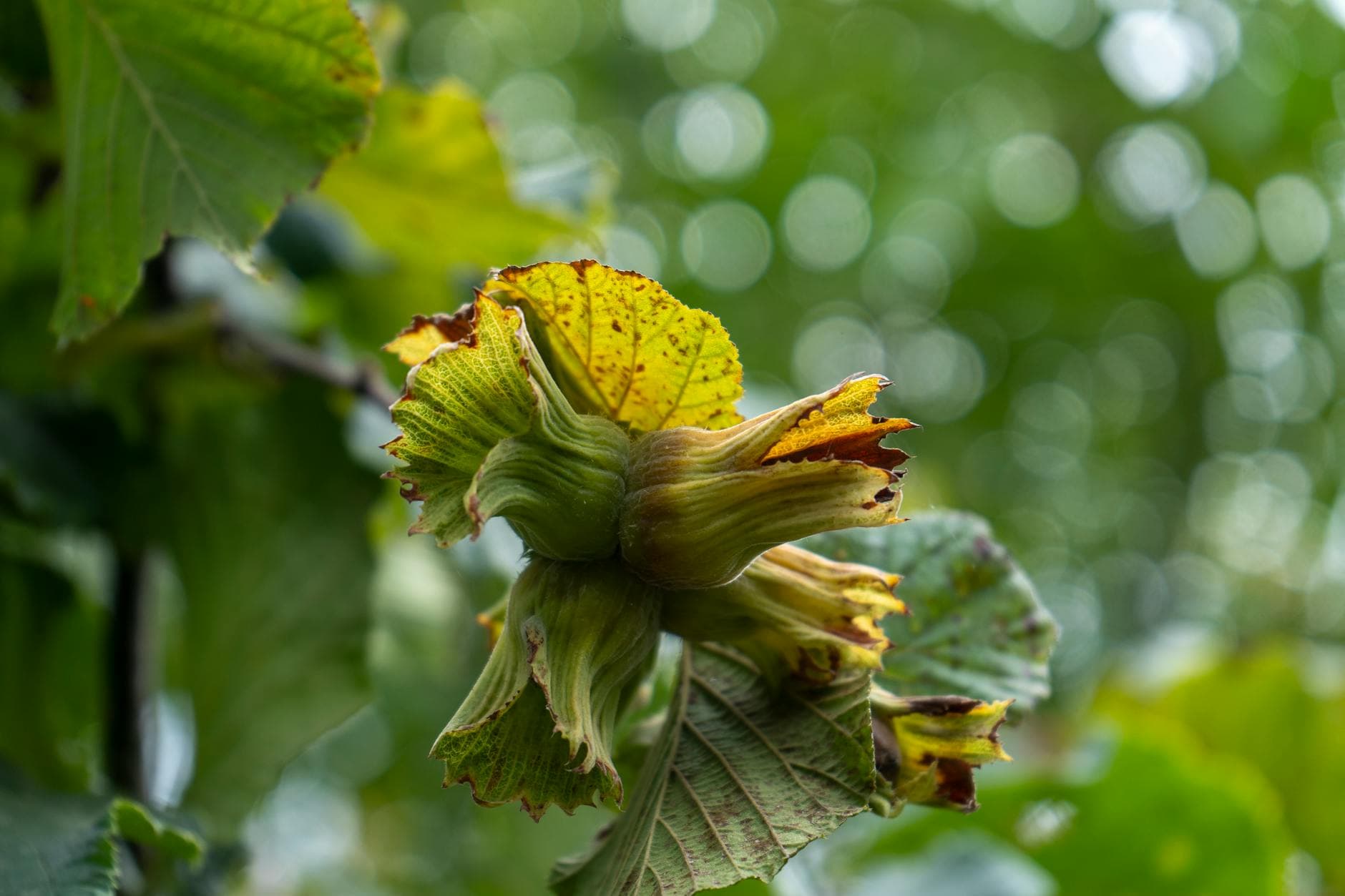
HazelnutWestern
Oligomeric proanthocyanidins are well-studied vascular-protective compounds. Reduce capillary permeability and support venous integrity. Mechanism shared with grape seed and pine bark OPCs.
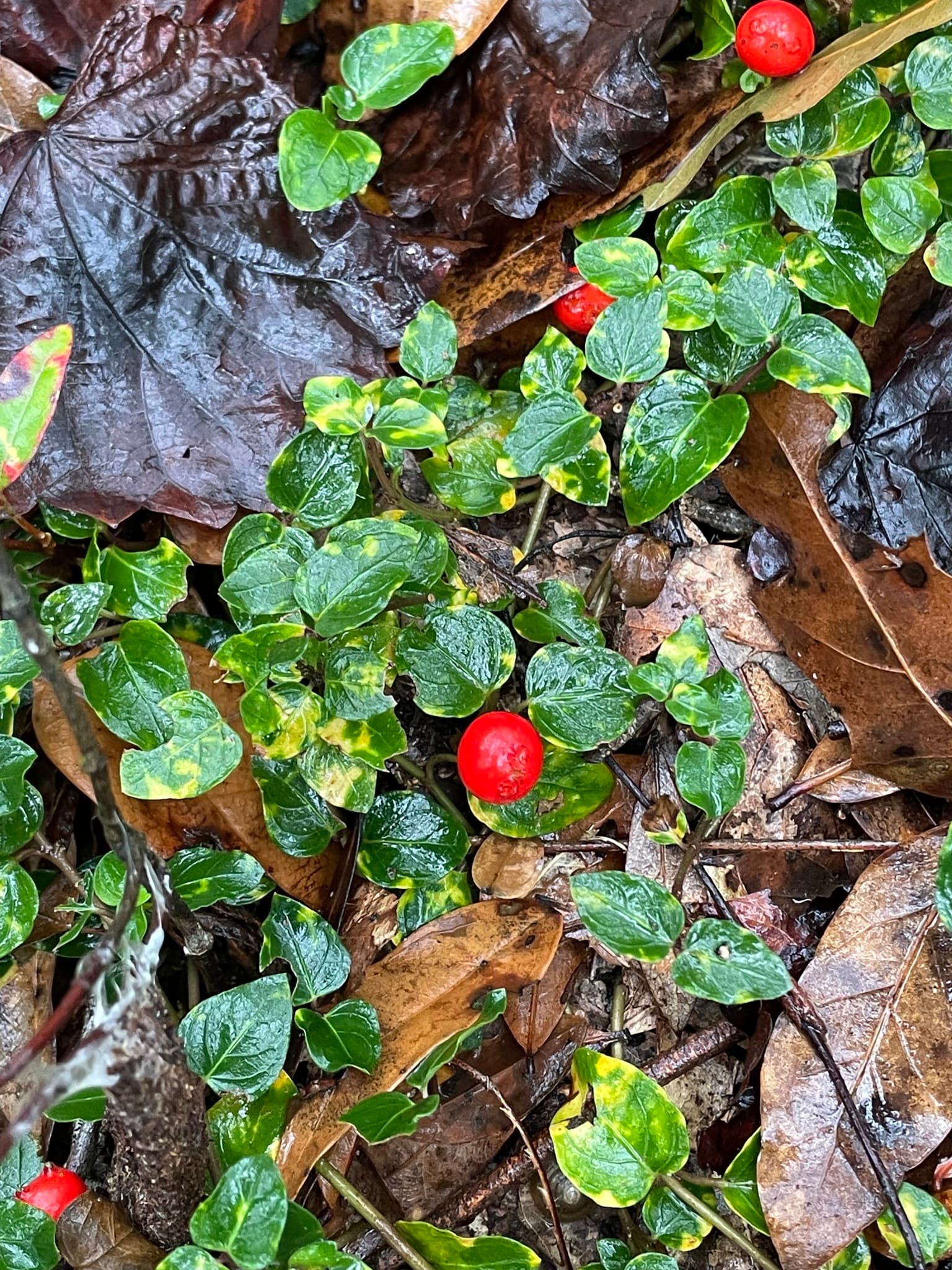
Partridge BerryWestern
Proanthocyanidins strengthen connective tissue and promote smooth muscle tonicity through collagen stabilization. Traditional pregnancy and postpartum use documented; modern evidence limited to observational reports.
SilverweedWestern
Proanthocyanidins provide astringent and antimicrobial activity. Well-characterised class of condensed tannins.
SorrelWestern
Proanthocyanidins from Rumex acetosa demonstrate antibacterial activity against periodontitis-causing bacteria and influenza virus inhibition in vitro.
Found In 4 Herbs

3D Molecular Structure
Oligomeric proanthocyanidins
Drag to rotate · Click atoms to explore
Proanthocyanidins
Oligomeric proanthocyanidinsBioactive phytochemical with therapeutic properties
Representative pattern: C₄H₂NO
Atoms
Carbon
Oxygen
Nitrogen
Hydrogen
Live Research
This information is for educational purposes only and does not constitute medical advice. Always consult a qualified healthcare practitioner before using any herbal product.
These statements have not been evaluated by the Food and Drug Administration. This product is not intended to diagnose, treat, cure, or prevent any disease. This content is for educational purposes only and is not a substitute for professional medical advice.