Loading…
Back to Compound Explorer
Pokeweed antiviral protein (PAP)
ModerateMechanism of Action
PAP is an N-glycosidase that depurinates a specific adenine residue (A4324) in the 28S ribosomal RNA sarcin/ricin loop, irreversibly inactivating ribosomes and halting protein synthesis. This mechanism is potently antiviral as it prevents viral replication by destroying ribosomes in infected cells. PAP has been studied extensively as an anti-HIV agent due to its ability to inhibit viral replication in infected T-cells at concentrations that spare uninfected cells.
Research Notes
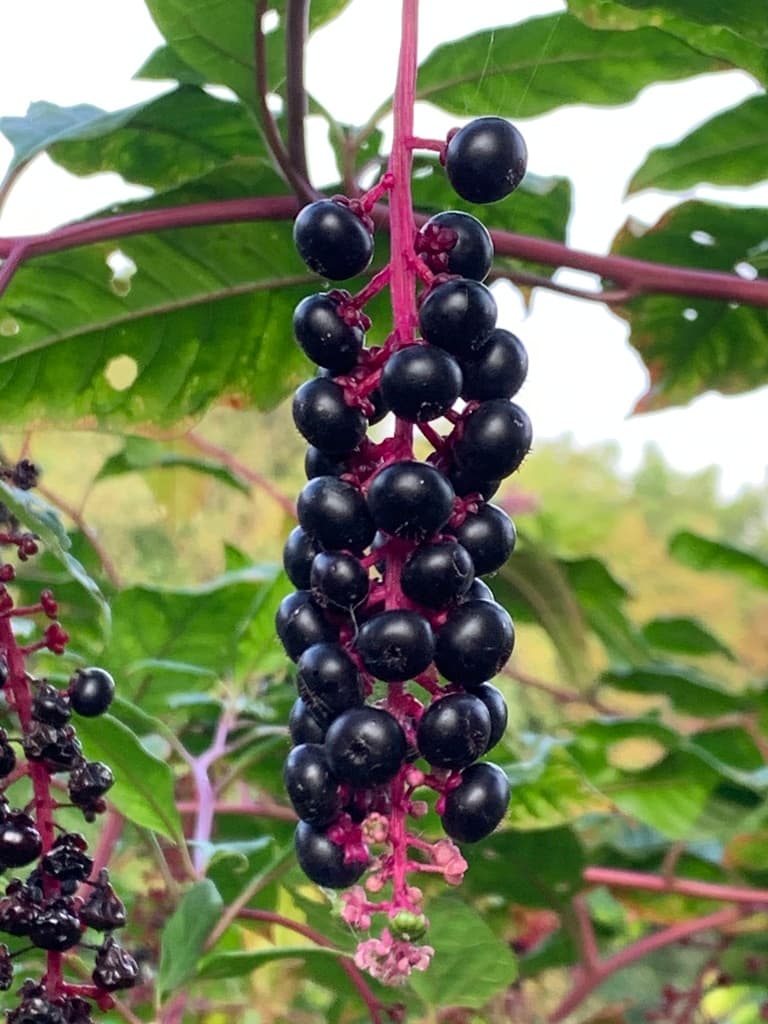
Poke RootWestern
PAP was shown in multiple in vitro studies to inhibit HIV-1 replication in chronically and acutely infected T-cell lines (H9, CEM) at nanomolar concentrations. Phase I clinical trials of PAP conjugated to monoclonal antibodies (immunotoxins) were conducted in HIV-positive patients in the 1990s at New York University, showing reductions in p24 antigen but also dose-limiting toxicities including myalgia and transient liver enzyme elevations. The approach was not pursued further due to the advent of effective antiretroviral therapy.
Found In 1 Herb
3D Molecular Structure
Ribosome-inactivating protein (Type I RIP)
Drag to rotate · Click atoms to explore
Pokeweed antiviral protein (PAP)
Ribosome-inactivating protein (Type I RIP)Bioactive phytochemical with therapeutic properties
Representative pattern: C₄H₂NO
Atoms
Carbon
Oxygen
Nitrogen
Hydrogen
Live Research
This information is for educational purposes only and does not constitute medical advice. Always consult a qualified healthcare practitioner before using any herbal product.
These statements have not been evaluated by the Food and Drug Administration. This product is not intended to diagnose, treat, cure, or prevent any disease. This content is for educational purposes only and is not a substitute for professional medical advice.