Loading…
Back to Compound Explorer
Piptamine
In vitroMechanism of Action
Piptamine (N-benzyl-N-methylpentadecan-1-amine) is a unique small-molecule antibiotic produced in fermentation cultures of F. betulina. It exerts antibacterial activity against Gram-positive bacteria through disruption of cell membrane integrity — the long aliphatic chain (C15 alkyl group) inserts into the bacterial lipid bilayer while the cationic amine head group interacts with negatively charged phospholipid head groups, creating transient pores that dissipate the transmembrane electrochemical gradient. This mechanism also accounts for its antifungal activity against Candida albicans and other yeasts.
Research Notes
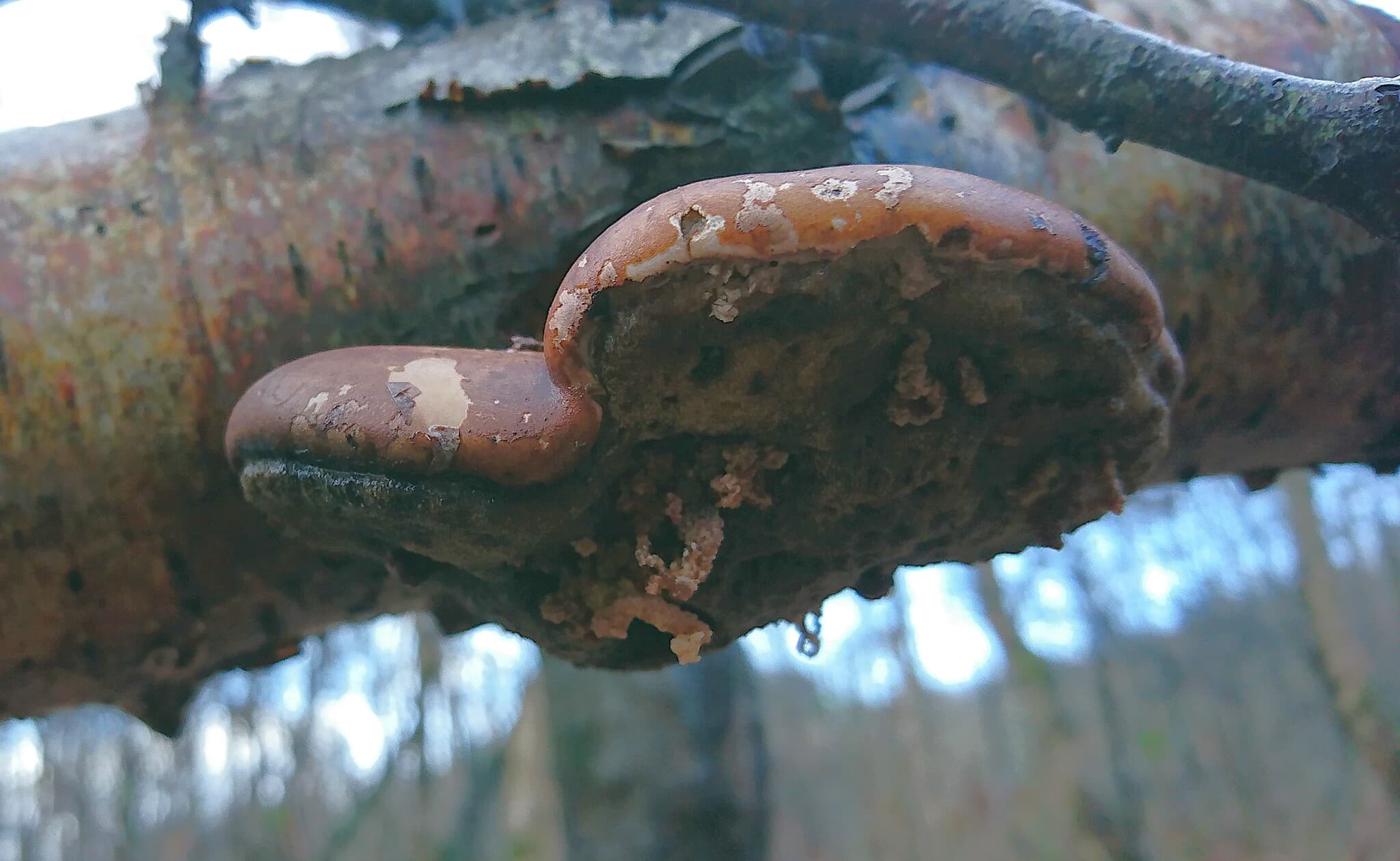
Birch PolyporeMushroom
Piptamine was isolated from liquid fermentation cultures of F. betulina and demonstrated significant antibacterial activity in disk diffusion and MIC assays against Gram-positive organisms including Staphylococcus aureus, Bacillus species, and Streptococcus haemolyticus. Antifungal activity was confirmed against Candida albicans. The antibiotic appears to be specific to F. betulina among polypore fungi studied and represents a novel structural class distinct from conventional antibiotics. The compound has not advanced to clinical evaluation.
Found In 1 Herb
3D Molecular Structure
Long-chain alkylamino antibiotic
Drag to rotate · Click atoms to explore
Piptamine
Long-chain alkylamino antibioticBioactive phytochemical with therapeutic properties
Representative pattern: C₄H₂NO
Atoms
Carbon
Oxygen
Nitrogen
Hydrogen
Live Research
This information is for educational purposes only and does not constitute medical advice. Always consult a qualified healthcare practitioner before using any herbal product.
These statements have not been evaluated by the Food and Drug Administration. This product is not intended to diagnose, treat, cure, or prevent any disease. This content is for educational purposes only and is not a substitute for professional medical advice.