Loading…
Back to Compound Explorer
Phytolaccagenin
PreliminaryMechanism of Action
Phytolaccagenin and its glycosides (phytolaccosides) are potent membrane-active saponins that disrupt cell membranes by complexing with cholesterol. They exhibit anti-inflammatory activity through inhibition of NF-κB and COX-2 pathways, and demonstrate cytotoxicity against tumor cell lines through induction of apoptosis via the mitochondrial (intrinsic) pathway with activation of caspase-3 and caspase-9. The saponins are also responsible for the plant's emetic and purgative actions through irritation of gastrointestinal mucosa.
Research Notes
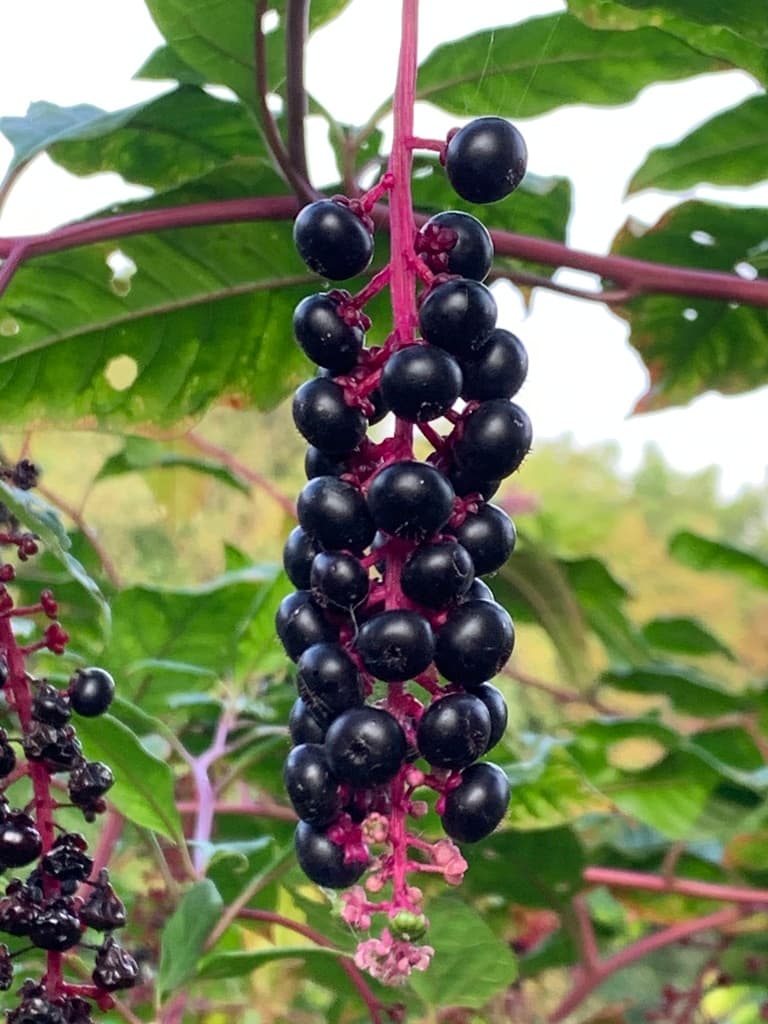
Poke RootWestern
In vitro studies have demonstrated cytotoxic activity of phytolaccagenin and phytolaccosides against HeLa, MCF-7, A549, and HepG2 cell lines with IC50 values in the range of 5–25 µM. A 2011 study in Biological and Pharmaceutical Bulletin showed phytolaccagenin induced apoptosis in HL-60 leukemia cells via ROS generation and mitochondrial membrane potential collapse. Anti-inflammatory activity has been demonstrated in animal models of carrageenan-induced edema. No human clinical trials have been conducted.
Found In 1 Herb
3D Molecular Structure
Triterpene saponin
Drag to rotate · Click atoms to explore
Phytolaccagenin
Triterpene saponinAromatic plant metabolites with anti-inflammatory properties
Representative pattern: C₁₁H₁₄O₆
Atoms
Carbon
Oxygen
Related Compounds (Triterpene saponin)
Live Research
This information is for educational purposes only and does not constitute medical advice. Always consult a qualified healthcare practitioner before using any herbal product.
These statements have not been evaluated by the Food and Drug Administration. This product is not intended to diagnose, treat, cure, or prevent any disease. This content is for educational purposes only and is not a substitute for professional medical advice.