Loading…
Back to Compound Explorer
Phycocyanin
Clinical trialMechanism of Action
Scavenges reactive oxygen and nitrogen species including peroxyl, hydroxyl, and peroxynitrite radicals; inhibits NADPH oxidase and COX-2 expression; suppresses NF-kB activation and pro-inflammatory cytokine release (TNF-alpha, IL-6); activates Nrf2-mediated antioxidant response
Research Notes
SpirulinaWestern
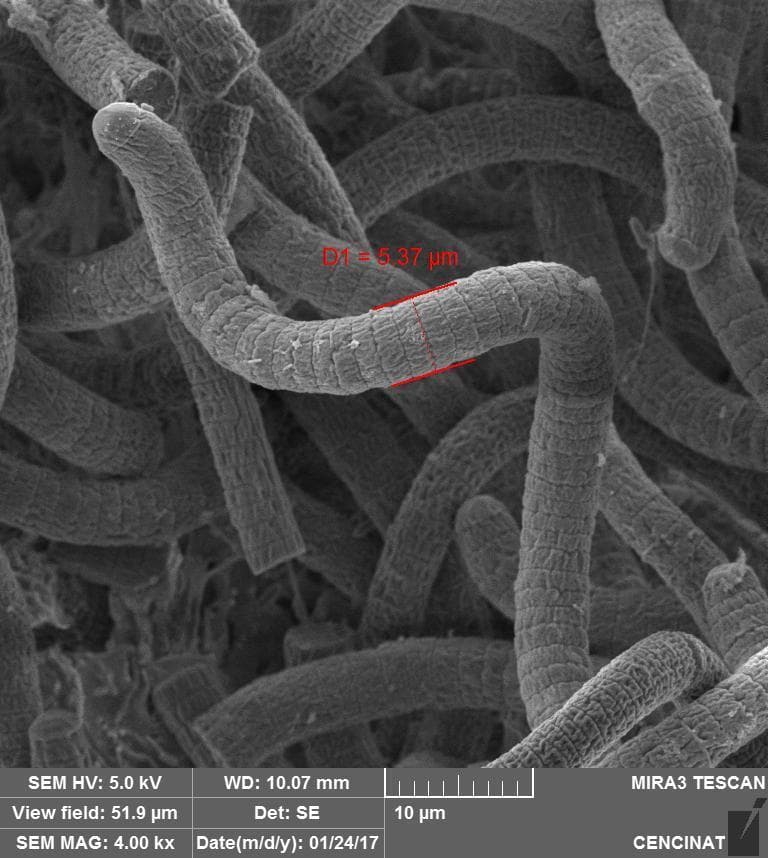
Phycocyanin is the most studied bioactive in spirulina with demonstrated antioxidant, anti-inflammatory, neuroprotective, and hepatoprotective effects across numerous preclinical models. Clinical trials have shown anti-allergic effects in rhinitis patients and antioxidant effects in exercising humans. Its selectivity for COX-2 over COX-1 has generated interest as a natural anti-inflammatory with reduced GI side effects.
Found In 1 Herb
3D Molecular Structure
Biliprotein (phycobiliprotein pigment)
Drag to rotate · Click atoms to explore
Phycocyanin
Biliprotein (phycobiliprotein pigment)Bioactive phytochemical with therapeutic properties
Representative pattern: C₄H₂NO
Atoms
Carbon
Oxygen
Nitrogen
Hydrogen
Live Research
This information is for educational purposes only and does not constitute medical advice. Always consult a qualified healthcare practitioner before using any herbal product.
These statements have not been evaluated by the Food and Drug Administration. This product is not intended to diagnose, treat, cure, or prevent any disease. This content is for educational purposes only and is not a substitute for professional medical advice.