Loading…
Back to Compound Explorer
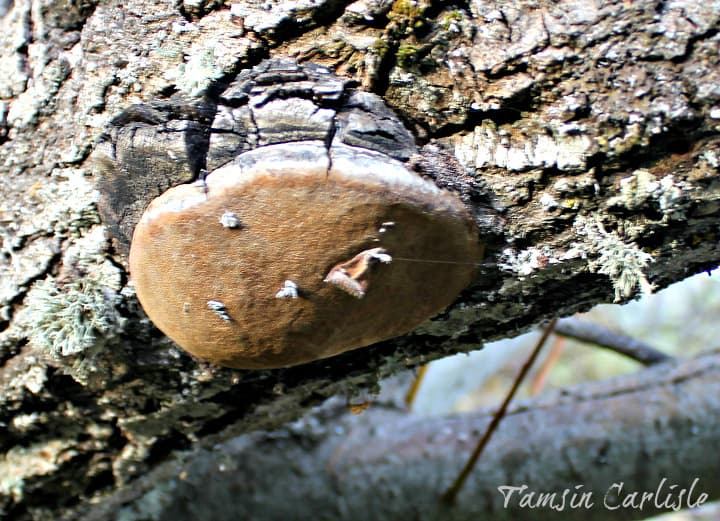
Phellinus linteus proteoglycan complex
Clinical trialMechanism of Action
Heterogeneous mixture of protein-bound beta-1,3/1,6-glucans and galactomannan polysaccharides. Activates macrophages, dendritic cells, and NK cells via Dectin-1, TLR-2, and TLR-4 receptor engagement. Promotes Th1 cytokine polarization (IL-12, IFN-γ) and enhances cytotoxic T-lymphocyte (CTL) generation against tumor cells. The protein component enhances receptor binding and intestinal absorption compared to pure polysaccharides. Also demonstrates direct anti-proliferative activity in some cancer cell lines, suggesting both immune-mediated and direct anti-tumor mechanisms.
Research Notes
Meshima (Sang Hwang)Mushroom
Kim et al. (2003) demonstrated that P. linteus proteoglycans inhibited pulmonary metastasis of B16 melanoma in mice by 70–85% through enhanced NK cell activity. Zhu et al. (2007) showed proteoglycan fractions directly inhibited proliferation of SW480 colon cancer cells while simultaneously activating macrophage TNF-α production. Li et al. (2011) found that oral administration of P. linteus proteoglycans (100 mg/kg/day) suppressed S180 tumor growth by 60% in mice. A small Korean clinical study by Cho et al. (2014) in hormone-refractory prostate cancer patients showed PSA stabilization in 4 of 8 patients receiving P. linteus extract adjunctively.
Found In 1 Herb
3D Molecular Structure
Protein-bound polysaccharide (proteoglycan)
Drag to rotate · Click atoms to explore
Phellinus linteus proteoglycan complex
Protein-bound polysaccharide (proteoglycan)Complex carbohydrate polymers that modulate immune response
Representative pattern: (C₆H₁₀O₅)ₙ
Atoms
Carbon
Oxygen
Live Research
This information is for educational purposes only and does not constitute medical advice. Always consult a qualified healthcare practitioner before using any herbal product.
These statements have not been evaluated by the Food and Drug Administration. This product is not intended to diagnose, treat, cure, or prevent any disease. This content is for educational purposes only and is not a substitute for professional medical advice.