Loading…
Back to Compound Explorer
p-Hydroxybenzyl isothiocyanate (p-HBITC)
In vitroMechanism of Action
Less volatile than AITC — produces milder rubefaction with less respiratory irritation; inhibits alpha-glucosidase contributing to postprandial glucose attenuation; antimicrobial via membrane disruption; anti-inflammatory through iNOS and NF-κB inhibition; antifungal activity against Candida albicans and dermatophytes
Research Notes
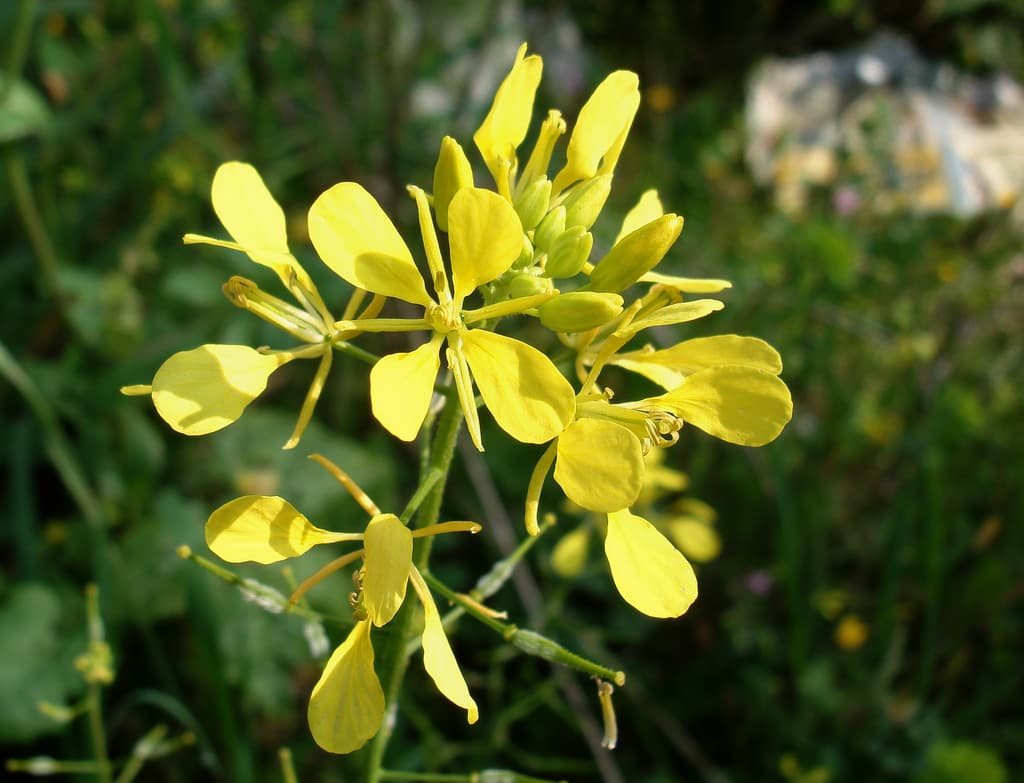
Mustard SeedWestern
Alpha-glucosidase inhibitory activity confirmed in enzyme assays (IC50 ~85 µM). Antimicrobial activity against food pathogens documented for white mustard preparations. Anti-inflammatory mechanistic studies validated in macrophage activation models. Milder dermal and mucosal effects than AITC make white mustard safer for internal applications.
Found In 1 Herb
3D Molecular Structure
Aromatic isothiocyanate / glucosinolate metabolite
Drag to rotate · Click atoms to explore
p-Hydroxybenzyl isothiocyanate (p-HBITC)
Aromatic isothiocyanate / glucosinolate metaboliteBioactive phytochemical with therapeutic properties
Representative pattern: C₄H₂NO
Atoms
Carbon
Oxygen
Nitrogen
Hydrogen
Live Research
This information is for educational purposes only and does not constitute medical advice. Always consult a qualified healthcare practitioner before using any herbal product.
These statements have not been evaluated by the Food and Drug Administration. This product is not intended to diagnose, treat, cure, or prevent any disease. This content is for educational purposes only and is not a substitute for professional medical advice.