Loading…
Back to Compound Explorer
p-Cymene
In vitroMechanism of Action
Antimicrobial, anti-inflammatory
p-Cymene acts as a membrane-active antimicrobial by inserting into bacterial lipid bilayers, increasing membrane fluidity and permeability, leading to leakage of intracellular contents and dissipation of the proton motive force. It also exhibits anti-inflammatory activity by inhibiting neutrophil migration through suppression of LTB4 and IL-1beta production, and demonstrates analgesic effects via modulation of opioidergic and vanilloid (TRPV1) pathways.
Research Notes
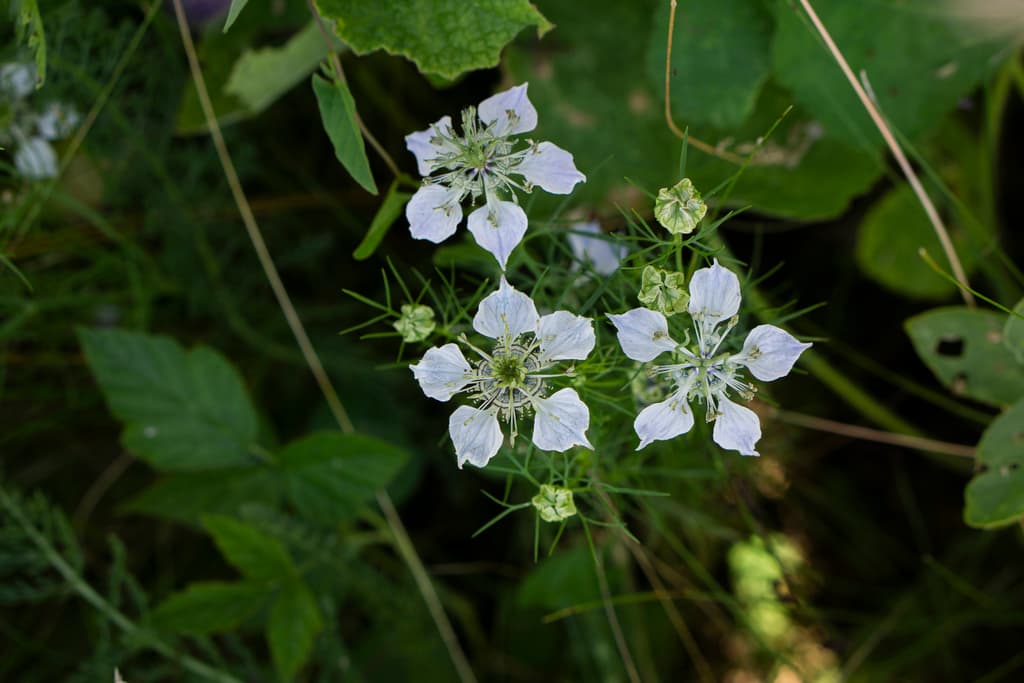
Black Seed / NigellaWestern
Largely preclinical research
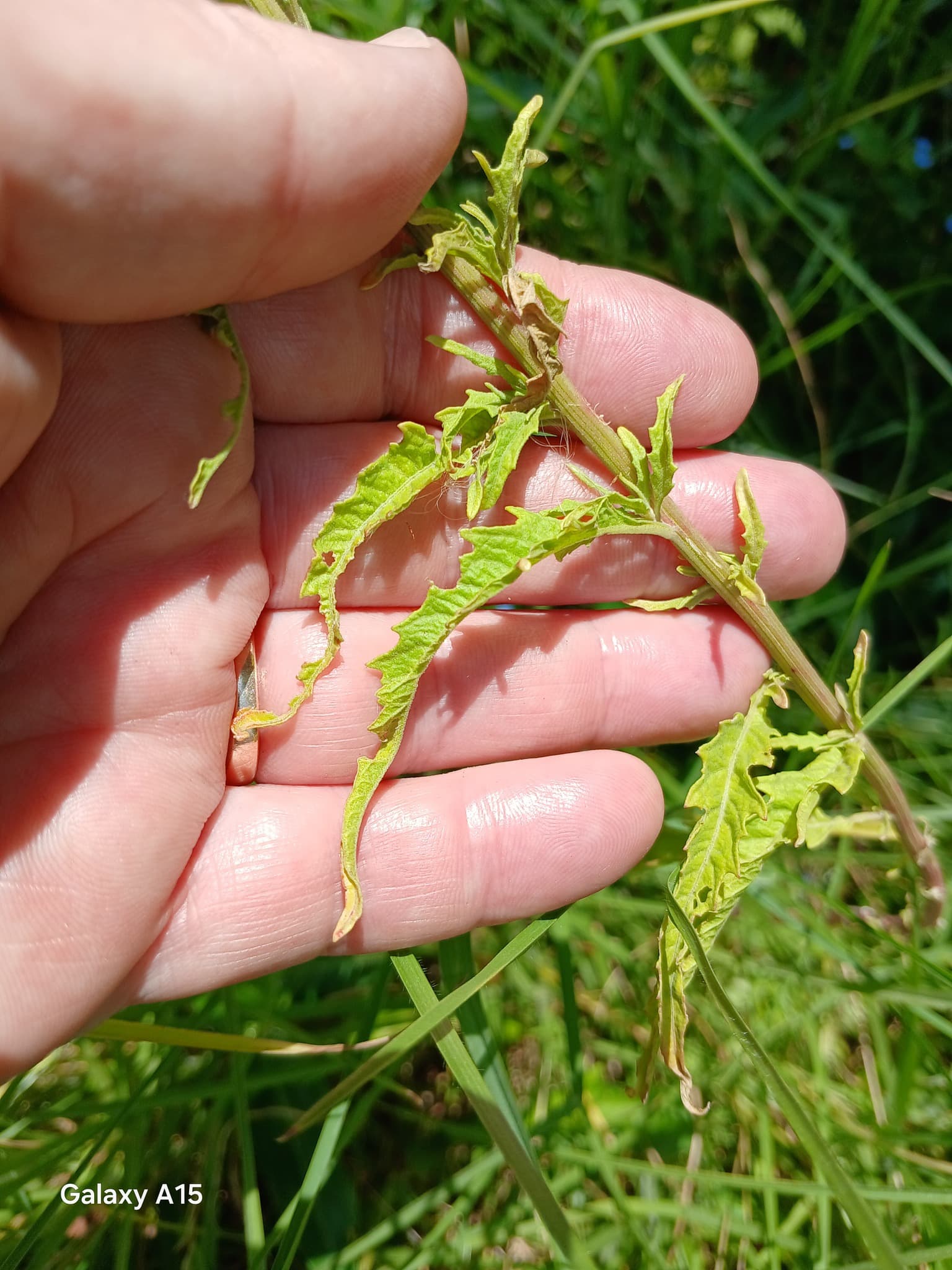
EpazoteSouth American
Antimicrobial activity of p-cymene has been demonstrated against a broad spectrum of bacteria and fungi, though it is generally considered a modulator that enhances the activity of co-occurring compounds (carvacrol, thymol) rather than a potent standalone antimicrobial (Marchese et al., 2017). Anti-inflammatory activity in carrageenan-induced peritonitis models shows significant reduction in neutrophil infiltration. Analgesic effects in mouse writhing and hot plate tests have been reported with ED50 values comparable to low-dose NSAIDs.
Found In 2 Herbs
3D Molecular Structure
Monoterpene
Drag to rotate · Click atoms to explore
p-Cymene
MonoterpeneAromatic plant metabolites with anti-inflammatory properties
Representative pattern: C₁₀H₁₆O
Atoms
Carbon
Oxygen
Hydrogen
Related Compounds (Monoterpene)
Live Research
This information is for educational purposes only and does not constitute medical advice. Always consult a qualified healthcare practitioner before using any herbal product.
These statements have not been evaluated by the Food and Drug Administration. This product is not intended to diagnose, treat, cure, or prevent any disease. This content is for educational purposes only and is not a substitute for professional medical advice.