Loading…
Back to Compound Explorer
N6-(2-hydroxyethyl)adenosine (HEA)
ModerateMechanism of Action
Adenosine analogue with an N6-hydroxyethyl substitution that confers enhanced renoprotective activity. Activates adenosine A2A receptors in renal tissue, promoting vasodilation of afferent arterioles and reducing glomerular hyperfiltration. Suppresses TGF-β1/CTGF signaling to inhibit renal interstitial fibrosis and extracellular matrix accumulation. Modulates SIRT1/p53 pathway to protect tubular epithelial cells from apoptosis under hypertensive stress.
Research Notes
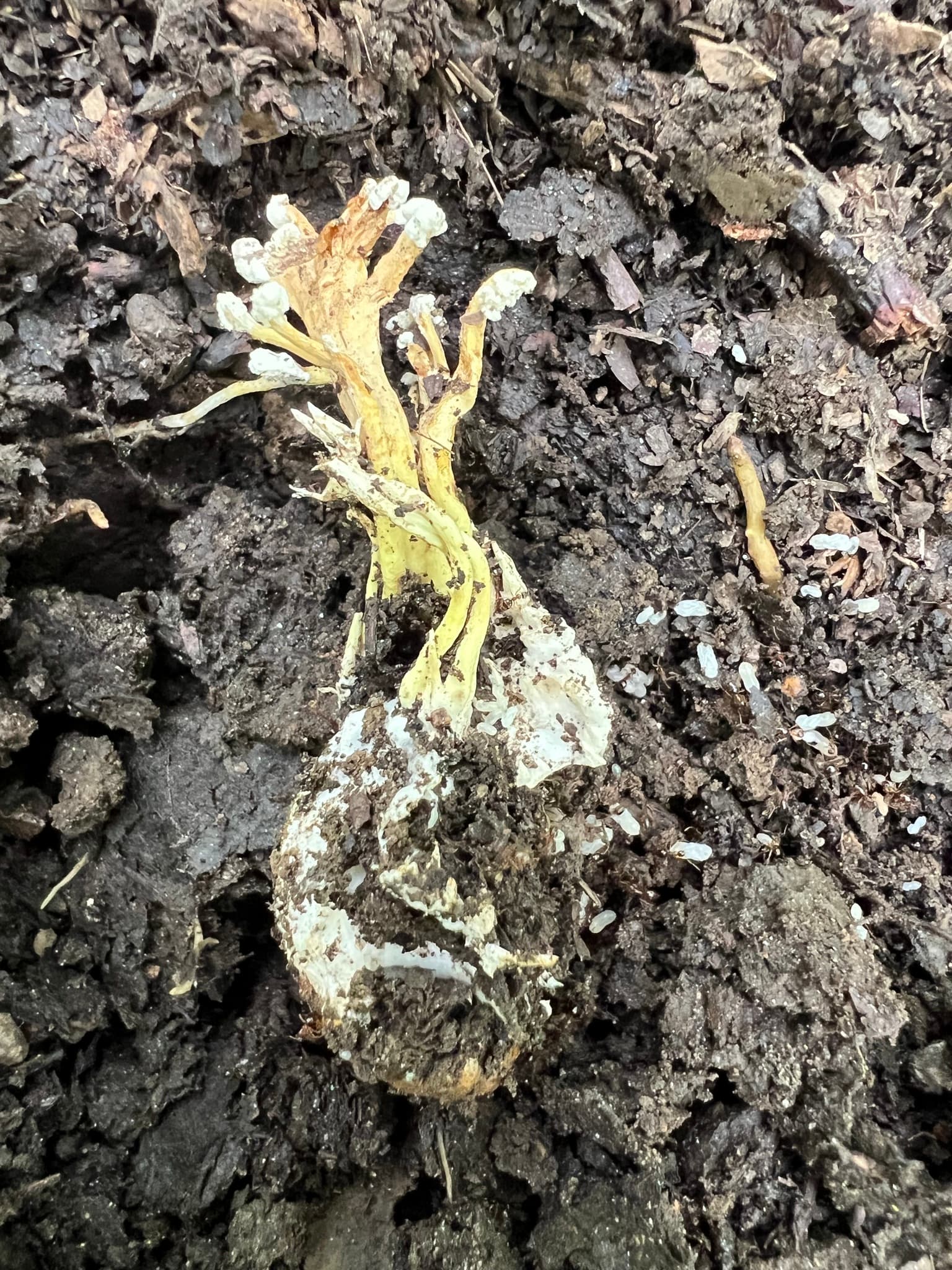
Cicada FlowerMushroom
Multiple animal studies demonstrate renoprotective effects of HEA-containing I. cicadae extracts. Studies in remnant kidney models showed significant reduction in renal fibrosis markers. Research published in Frontiers in Microbiology (2021) documented HEA production optimization through white light exposure and nitrogen source modulation in cultured I. cicadae. HEA serves as a key quality marker distinguishing I. cicadae from other Cordyceps species. All evidence is preclinical (in vitro and animal models).
Found In 1 Herb
3D Molecular Structure
Modified nucleoside (adenosine derivative)
Drag to rotate · Click atoms to explore
N6-(2-hydroxyethyl)adenosine (HEA)
Modified nucleoside (adenosine derivative)Bioactive phytochemical with therapeutic properties
Representative pattern: C₄H₂NO
Atoms
Carbon
Oxygen
Nitrogen
Hydrogen
Live Research
This information is for educational purposes only and does not constitute medical advice. Always consult a qualified healthcare practitioner before using any herbal product.
These statements have not been evaluated by the Food and Drug Administration. This product is not intended to diagnose, treat, cure, or prevent any disease. This content is for educational purposes only and is not a substitute for professional medical advice.