Loading…
Back to Compound Explorer
Myrtillin (Anthocyanin Complex)
ModerateMechanism of Action
Collective antioxidant action via direct radical scavenging, metal chelation (particularly iron), and upregulation of endogenous antioxidant enzymes (superoxide dismutase, catalase, glutathione peroxidase). Anti-glycation activity inhibits advanced glycation end-product (AGE) formation in vascular tissues, relevant to diabetic microvascular complications. Inhibits platelet aggregation via thromboxane A2 suppression.
Research Notes
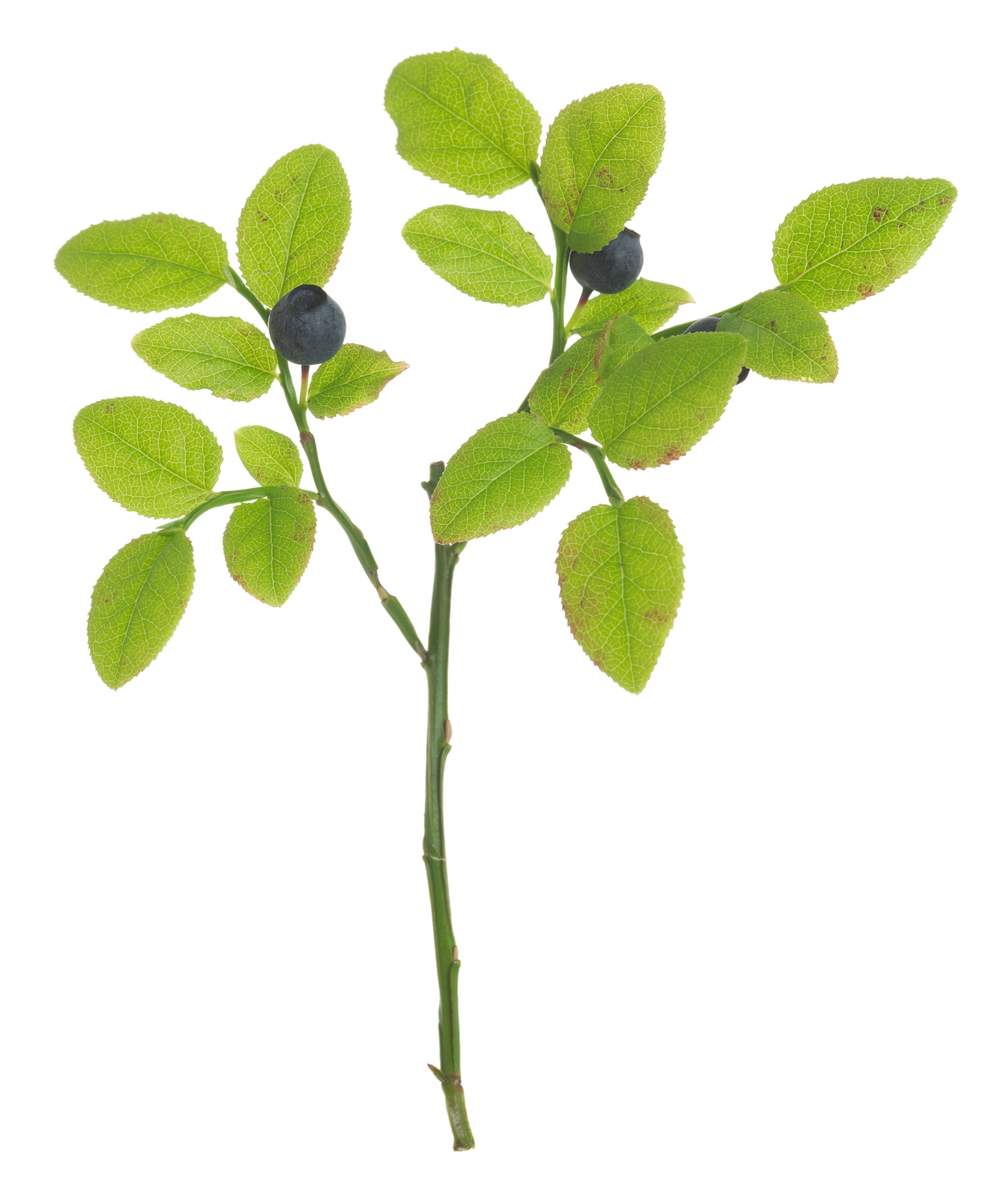
BilberryWestern
The complexity of bilberry's anthocyanin profile (15+ compounds vs. 2–4 in blackcurrant) is thought to contribute to its exceptionally broad pharmacological activity spectrum. Animal models demonstrate dose-dependent improvements in retinal perfusion and reduction of oxidative stress markers in diabetic retinopathy models. Human bioavailability studies show anthocyanin peak plasma concentrations 1–2 hours post-ingestion with urinary excretion reflecting renal tubular reabsorption of intact glycosides.
Found In 1 Herb
3D Molecular Structure
Mixed anthocyanin glycosides (15+ individual compounds)
Drag to rotate · Click atoms to explore
Myrtillin (Anthocyanin Complex)
Mixed anthocyanin glycosides (15+ individual compounds)Sugar-bound molecules that control drug release in the body
Representative pattern: C₁₅H₁₀O₃
Atoms
Carbon
Oxygen
Live Research
This information is for educational purposes only and does not constitute medical advice. Always consult a qualified healthcare practitioner before using any herbal product.
These statements have not been evaluated by the Food and Drug Administration. This product is not intended to diagnose, treat, cure, or prevent any disease. This content is for educational purposes only and is not a substitute for professional medical advice.