Loading…
Back to Compound Explorer
Myristicin
Clinical trialMechanism of Action
Weak MAO inhibition; metabolised to MMDA-like amphetamine derivative (3-methoxy-4,5-methylenedioxyamphetamine); serotonergic activity; hepatotoxic at high dose
Inhibits monoamine oxidase (MAO), increasing catecholamine availability; stimulates renal blood flow and glomerular filtration; hepatoprotective through glutathione S-transferase induction
Psychoactive phenylpropanoid found in parsnip seed essential oil; contributes to carminative effect
Research Notes
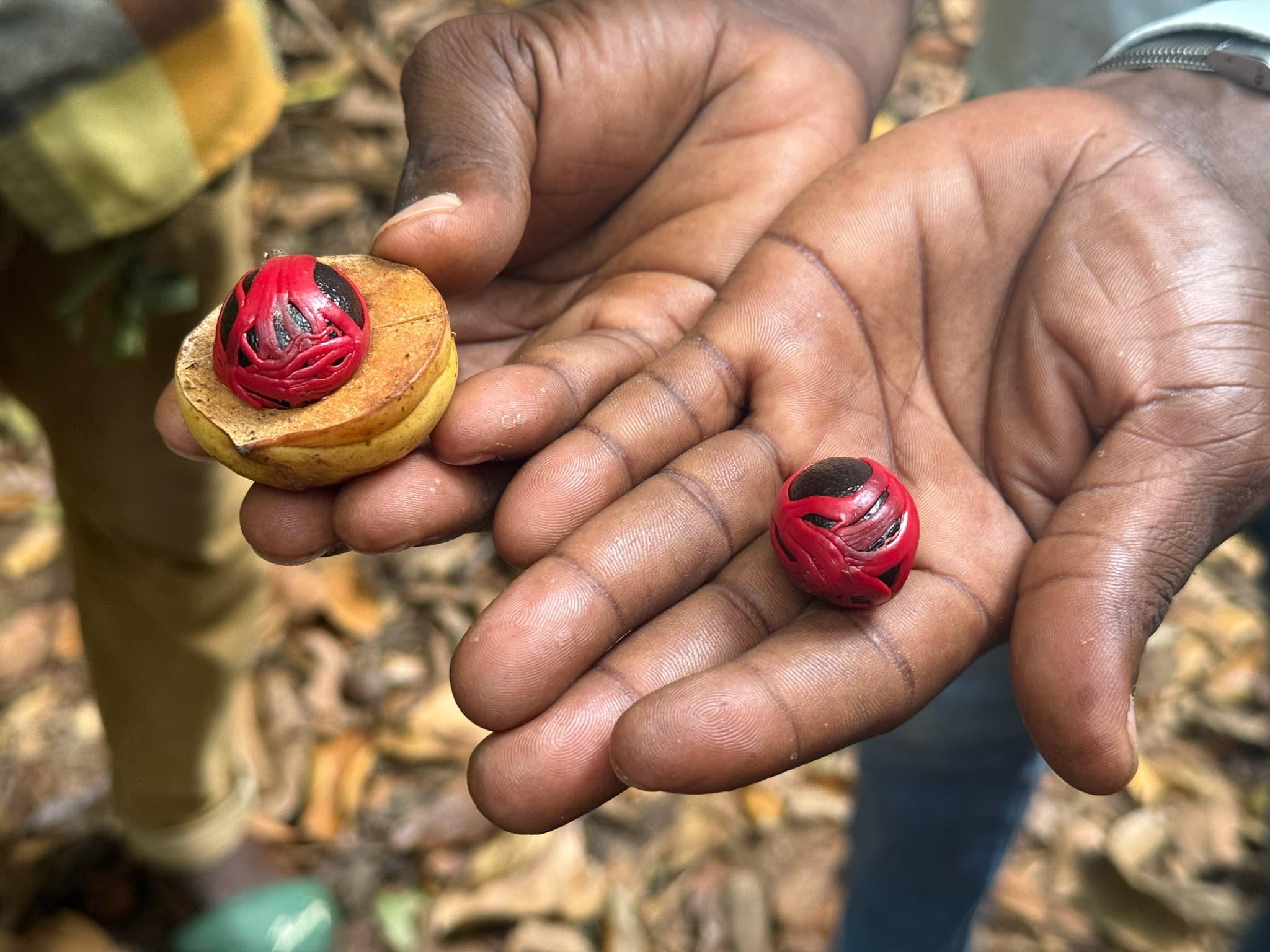
Nutmeg (Jatiphala)Ayurvedic
Responsible for psychoactive effects of nutmeg intoxication. MAO inhibitory and serotonergic activity explain antidepressant potential at low doses and toxicity at high doses.
ParsleyWestern
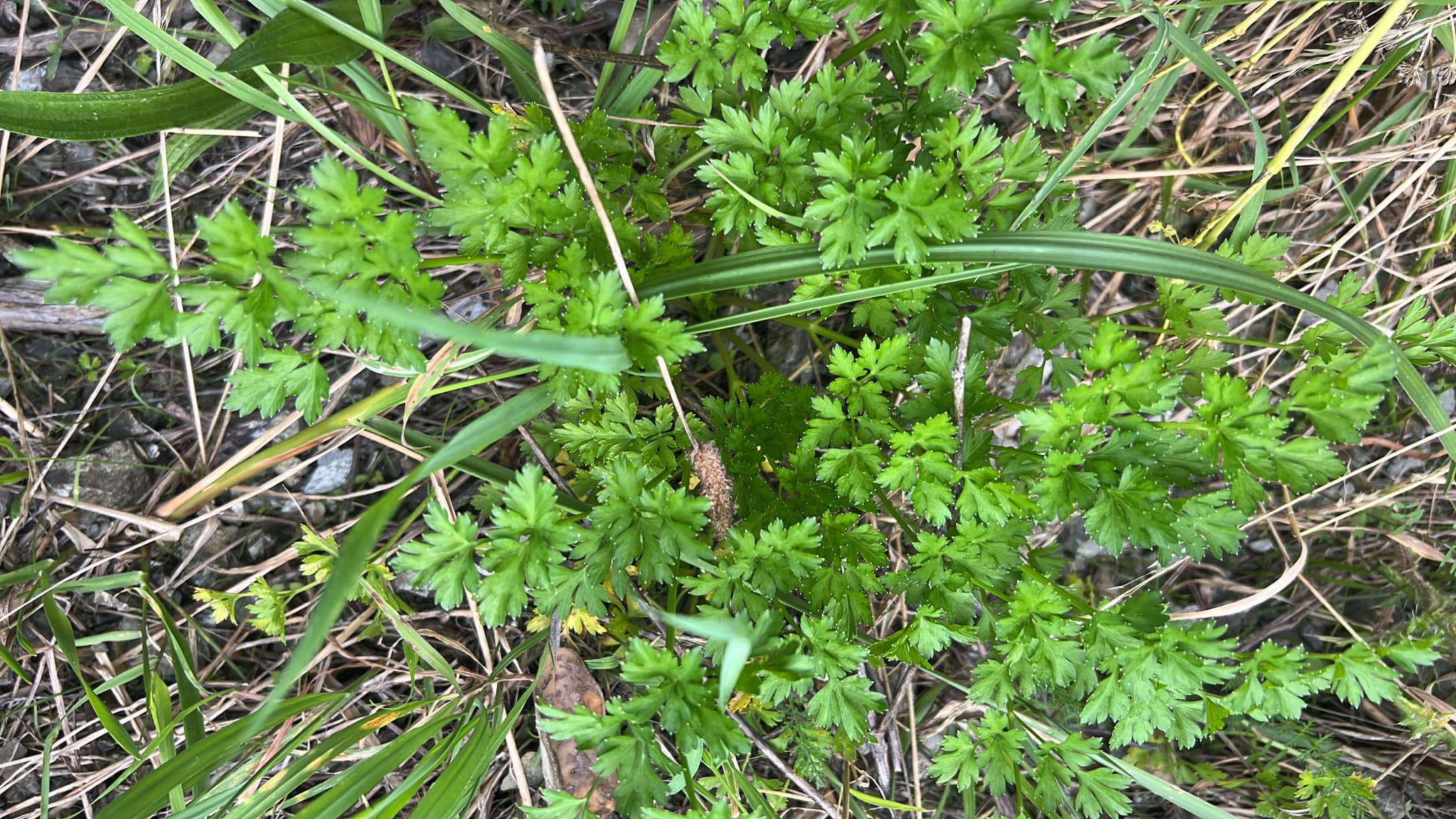
Myristicin demonstrates MAO inhibitory activity and hepatoprotective effects in animal models. It is the primary constituent responsible for parsley's diuretic action. Large doses can be psychoactive (as seen with nutmeg intoxication). Therapeutic doses in parsley are well below psychoactive thresholds.
Wild ParsnipWestern
Carminative phenylpropanoid also found in nutmeg. Preclinical evidence for antioxidant and insecticidal activity.
Found In 3 Herbs

3D Molecular Structure
Phenylpropanoid (allylbenzene)
Drag to rotate · Click atoms to explore
Myristicin
Phenylpropanoid (allylbenzene)Bioactive phytochemical with therapeutic properties
Representative pattern: C₇H₆O₃
Atoms
Carbon
Oxygen
Hydrogen
Live Research
This information is for educational purposes only and does not constitute medical advice. Always consult a qualified healthcare practitioner before using any herbal product.
These statements have not been evaluated by the Food and Drug Administration. This product is not intended to diagnose, treat, cure, or prevent any disease. This content is for educational purposes only and is not a substitute for professional medical advice.