Loading…
Back to Compound Explorer
Mucilage polysaccharides
Clinical trialMechanism of Action
High-molecular-weight mucopolysaccharides providing demulcent protective coating to damaged skin and mucous membranes; reduce inflammation and support wound healing by maintaining moist environment
Soothing demulcent compounds coating and protecting mucous membranes
Demulcent coating of GI epithelium; promotes mucosal hydration and regeneration; reduces inflammation through physical barrier
Research Notes
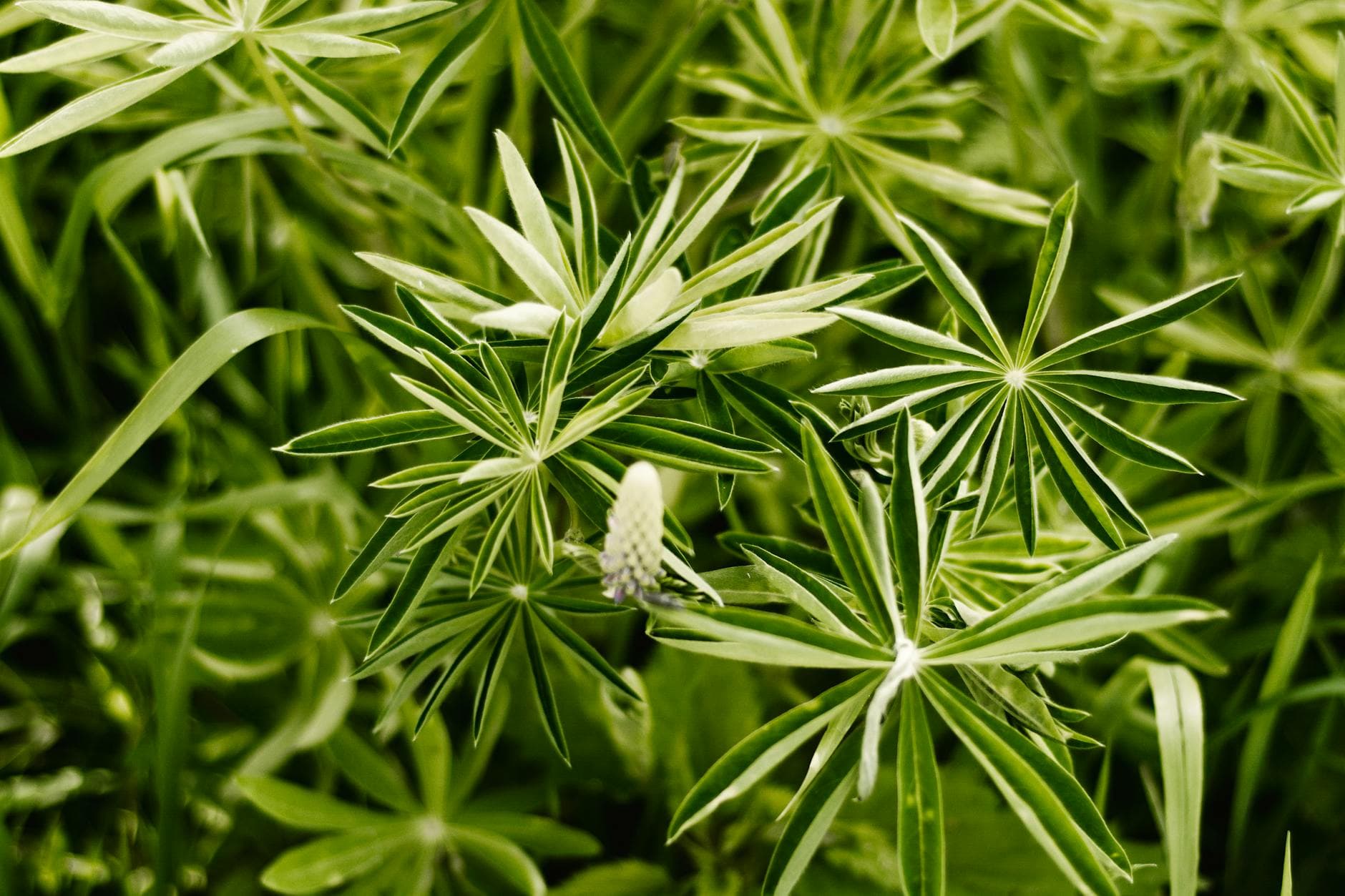
Bear's-BreechesWestern
Mucilage activity is well characterised as a class. Specific characterisation of Acanthus mucilage is limited to traditional use evidence and basic phytochemical analysis.
ElmWestern
Higher content in Ulmus rubra than in U. minor; still present and active in European elm bark.
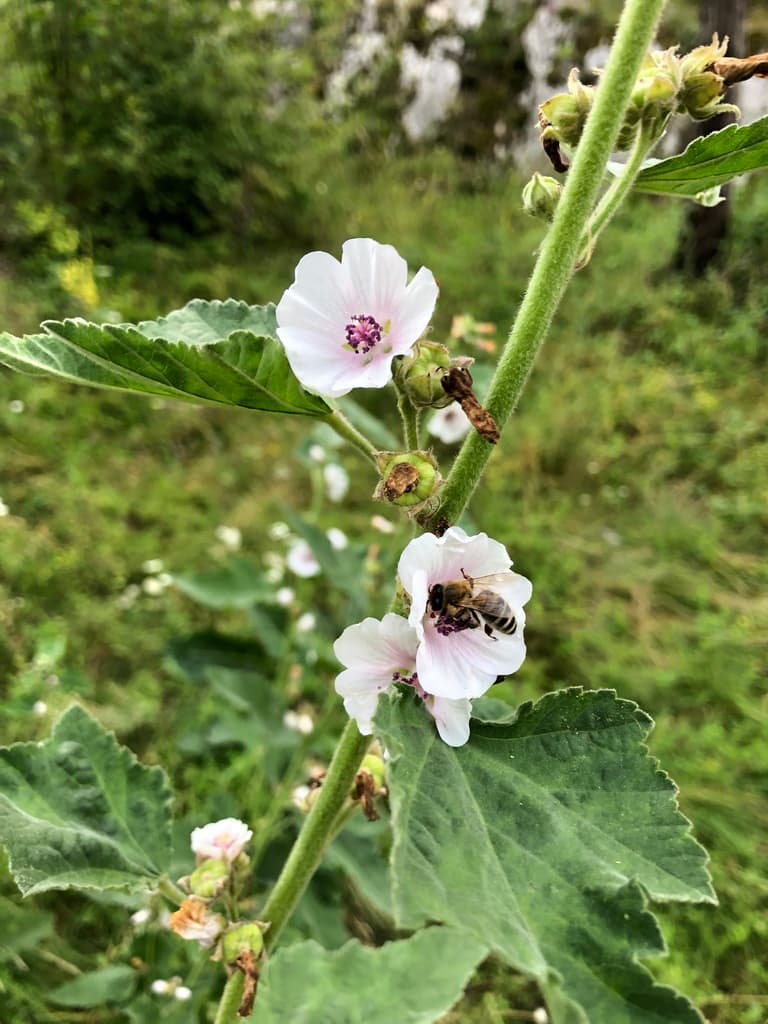
Marshmallow RootWestern
Marshmallow root mucilage demonstrates greater mucoadhesive properties than slippery elm. Clinical evidence supports healing of peptic ulcers and inflammatory gastritis.
Found In 3 Herbs
3D Molecular Structure
Polysaccharide
Drag to rotate · Click atoms to explore
Mucilage polysaccharides
PolysaccharideComplex carbohydrate polymers that modulate immune response
Representative pattern: (C₆H₁₀O₅)ₙ
Atoms
Carbon
Oxygen
Related Compounds (Polysaccharide)
Achyranthes polysaccharides(1)Angelica polysaccharides (ASP)(1)Beta-glucan(1)Dendrobium polysaccharides(1)Glucomannan(1)Gynostemma polysaccharides(1)Lycium barbarum polysaccharides (LBP)(1)Mucilage(7)Mucilage (arabinogalactan polysaccharides)(1)Mucilage polysaccharides (arabinogalactans, rhamnogalacturonans)(1)Mucilaginous polysaccharides(4)Osmund starch (mucilage)(1)
Live Research
This information is for educational purposes only and does not constitute medical advice. Always consult a qualified healthcare practitioner before using any herbal product.
These statements have not been evaluated by the Food and Drug Administration. This product is not intended to diagnose, treat, cure, or prevent any disease. This content is for educational purposes only and is not a substitute for professional medical advice.