Loading…
Back to Compound Explorer
Menthofuran
StrongMechanism of Action
Menthofuran is the primary proximate hepatotoxic metabolite of pulegone. It undergoes further CYP-mediated oxidation to form a reactive gamma-ketoenal species that alkylates cellular macromolecules, particularly mitochondrial proteins. This triggers mitochondrial permeability transition, calcium dysregulation, and apoptotic/necrotic cell death in hepatocytes.
Research Notes
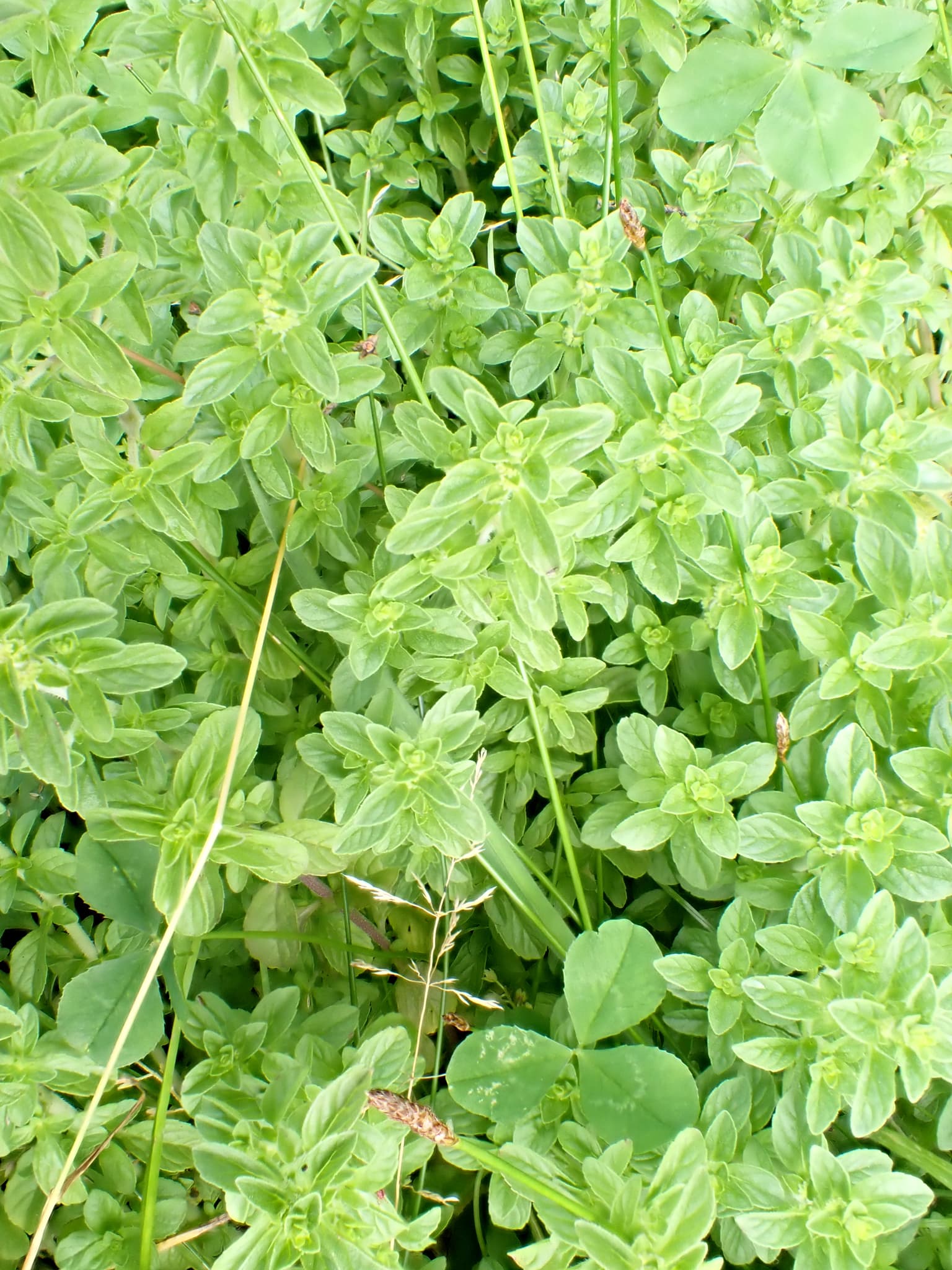
PennyroyalWestern
Thomassen et al. (Drug Metabolism and Disposition, 1992) demonstrated that menthofuran, not pulegone itself, is the primary hepatotoxic species using deuterium-labeled pulegone in rat microsomal preparations. Pre-treatment with CYP2E1 inhibitors (disulfiram) significantly reduced hepatotoxicity in animal models, confirming the bioactivation pathway. Menthofuran levels in pennyroyal oil range from 1–16% depending on chemotype and distillation.
Found In 1 Herb
3D Molecular Structure
Furanoid monoterpene
Drag to rotate · Click atoms to explore
Menthofuran
Furanoid monoterpeneAromatic plant metabolites with anti-inflammatory properties
Representative pattern: C₁₀H₁₆O
Atoms
Carbon
Oxygen
Hydrogen
Live Research
This information is for educational purposes only and does not constitute medical advice. Always consult a qualified healthcare practitioner before using any herbal product.
These statements have not been evaluated by the Food and Drug Administration. This product is not intended to diagnose, treat, cure, or prevent any disease. This content is for educational purposes only and is not a substitute for professional medical advice.