Loading…
Back to Compound Explorer
Lovastatin (Mevinolin)
Clinical trialMechanism of Action
Lovastatin is a competitive inhibitor of 3-hydroxy-3-methylglutaryl coenzyme A (HMG-CoA) reductase, the rate-limiting enzyme in the mevalonate pathway of cholesterol biosynthesis. By blocking the conversion of HMG-CoA to mevalonate, lovastatin reduces intracellular cholesterol synthesis, triggering compensatory upregulation of hepatic LDL receptors and increased clearance of LDL-cholesterol from the circulation. At the doses naturally present in dietary mushroom consumption, effects are dose-dependent, with approximately 0.3-1.5% LDL reduction per 100 mg mushroom-derived lovastatin intake.
Lovastatin competitively inhibits 3-hydroxy-3-methylglutaryl-coenzyme A (HMG-CoA) reductase, the rate-limiting enzyme in the mevalonate pathway of hepatic cholesterol biosynthesis. By blocking the conversion of HMG-CoA to mevalonic acid, lovastatin reduces intracellular cholesterol pools, upregulates LDL receptor expression on hepatocyte surfaces, and increases clearance of circulating LDL-cholesterol from the blood. The compound exists naturally in P. ostreatus as the lactone prodrug form which is hydrolyzed in vivo to the active hydroxy acid.
Research Notes
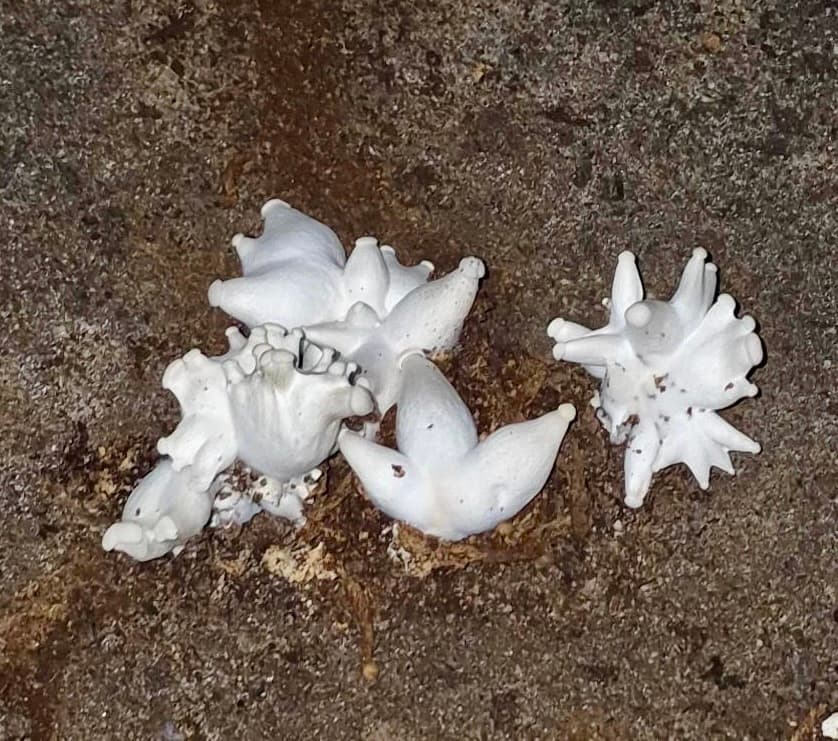
King TrumpetMushroom
Analytical studies confirmed lovastatin concentrations up to 2.8% dry weight in P. eryngii gills (lamellae), with lower concentrations in stipes and caps. A hypercholesterolemic rat model using 5% P. eryngii fruiting body powder achieved 62.5% LDL-cholesterol reduction, 46.3% triglyceride reduction, and 24.1% total cholesterol reduction over the study period. A six-week mouse safety study at 2000 mg/kg showed no adverse effects on body weight, food intake, serum biochemistry, or organ histology. Human intervention trials with related Pleurotus species (P. ostreatus, 30 g dried daily for 21 days) showed cholesterol metabolism improvements. A systematic review of 8 clinical trials confirmed beneficial effects on glucose and lipid metabolism.
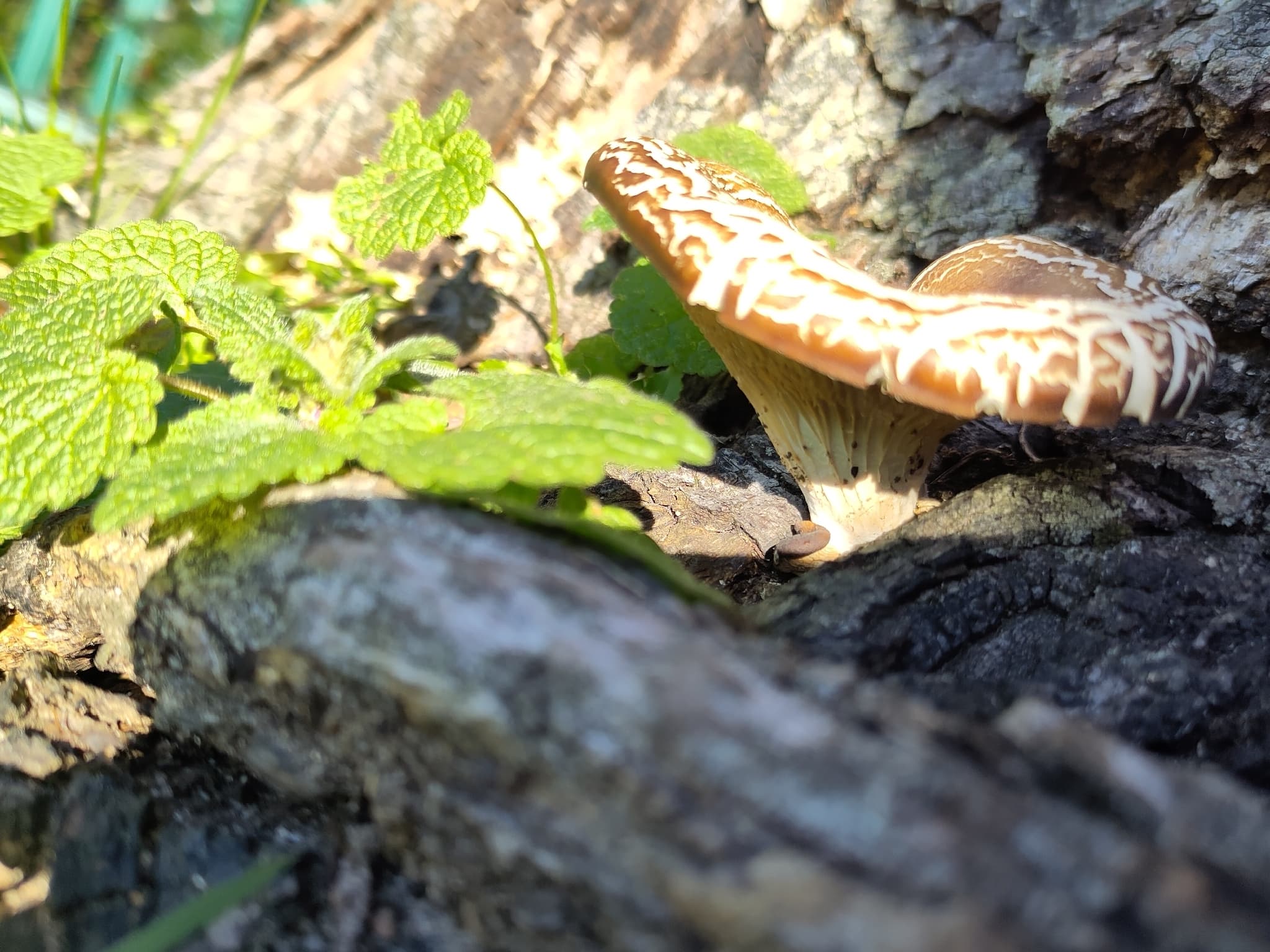
Oyster MushroomMushroom
P. ostreatus was confirmed as a natural source of lovastatin in the 1980s, and the compound was originally isolated from Aspergillus terreus for pharmaceutical development. A clinical study involving 20 adults consuming 30 g of dried oyster mushrooms daily for 21 days demonstrated significant reductions in triacylglycerol concentrations and oxidized LDL levels. Animal studies in hypercholesterolemic rats fed oyster mushroom diets showed significant improvements in lipid profiles. Lovastatin content varies by substrate and cultivation conditions, typically ranging from 0.7-2.8 mg/g dry weight.
Found In 2 Herbs
3D Molecular Structure
HMG-CoA reductase inhibitor (natural statin)
Drag to rotate · Click atoms to explore
Lovastatin (Mevinolin)
HMG-CoA reductase inhibitor (natural statin)Bioactive phytochemical with therapeutic properties
Representative pattern: C₄H₂NO
Atoms
Carbon
Oxygen
Nitrogen
Hydrogen
Live Research
This information is for educational purposes only and does not constitute medical advice. Always consult a qualified healthcare practitioner before using any herbal product.
These statements have not been evaluated by the Food and Drug Administration. This product is not intended to diagnose, treat, cure, or prevent any disease. This content is for educational purposes only and is not a substitute for professional medical advice.