Loading…
Back to Compound Explorer
Lanostane Triterpenoids
PreliminaryMechanism of Action
Lanostane triterpenoids from Agarikon fruiting bodies directly disrupt viral envelopes and inhibit viral replication. Against influenza viruses, these lipophilic compounds demonstrated potency up to 10-fold greater than ribavirin (standard antiviral control) in cell culture assays. The triterpenes also exhibit trypanocidal activity against Trypanosoma species. The lipophilic nature allows membrane insertion and disruption of enveloped virus integrity, while additional mechanisms may involve inhibition of viral RNA-dependent RNA polymerase.
Research Notes
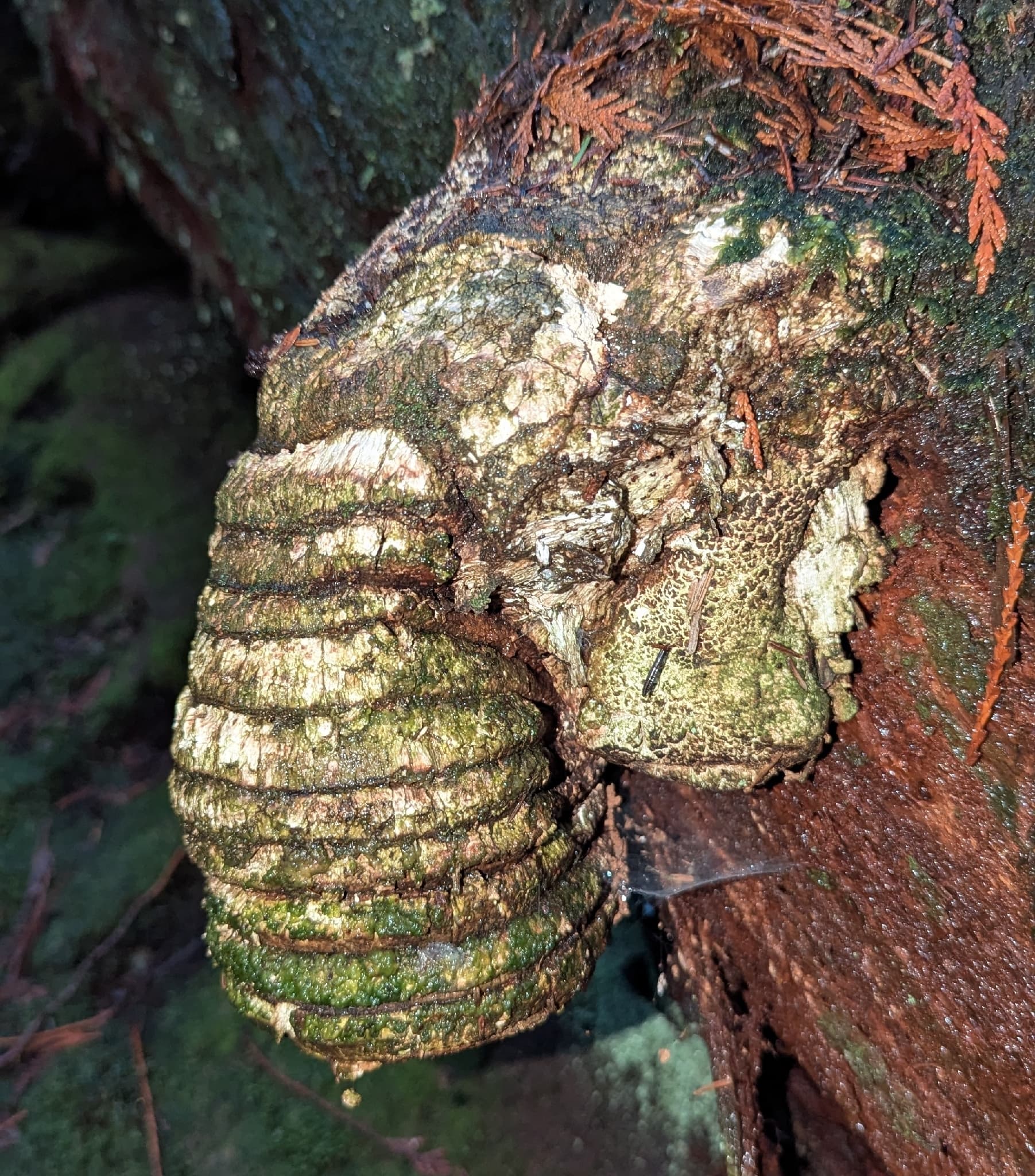
AgarikonMushroom
BioShield program screening (USAMRIID/NIH/NIAID collaboration) tested over 11 Agarikon strains against H5N1, H1N1, H3N2 influenza, HSV-1, HSV-2, and orthopoxviruses. Ethanol extracts exceeded ribavirin potency by 10+ fold in several dilution series against flu viruses. Russian research independently confirmed strong antiviral activity against H5N1 with comparatively low human cell toxicity. Among 200,000+ natural products submitted to the BioShield program, Agarikon showed the most potent antiviral activity. Patent US8765138B2 covers these findings.
Found In 1 Herb
3D Molecular Structure
Tetracyclic triterpene
Drag to rotate · Click atoms to explore
Lanostane Triterpenoids
Tetracyclic triterpeneAromatic plant metabolites with anti-inflammatory properties
Representative pattern: C₁₀H₁₆O
Atoms
Carbon
Oxygen
Hydrogen
Live Research
This information is for educational purposes only and does not constitute medical advice. Always consult a qualified healthcare practitioner before using any herbal product.
These statements have not been evaluated by the Food and Drug Administration. This product is not intended to diagnose, treat, cure, or prevent any disease. This content is for educational purposes only and is not a substitute for professional medical advice.