Loading…
Back to Compound Explorer
Isothiocyanates (Moringin / 4-O-α-L-rhamnosyloxy-benzyl isothiocyanate)
ModerateMechanism of Action
Generated from glucosinolate precursors via myrosinase during tissue disruption; potently inhibits NF-κB signalling and downstream pro-inflammatory cytokine production (IL-6, TNF-α, IL-1β); induces Nrf2-mediated antioxidant response element (ARE) activation, upregulating Phase II detoxification enzymes (glutathione S-transferase, NAD(P)H quinone oxidoreductase); demonstrates direct antimicrobial activity by reacting with sulfhydryl groups in bacterial cysteine proteases.
Research Notes
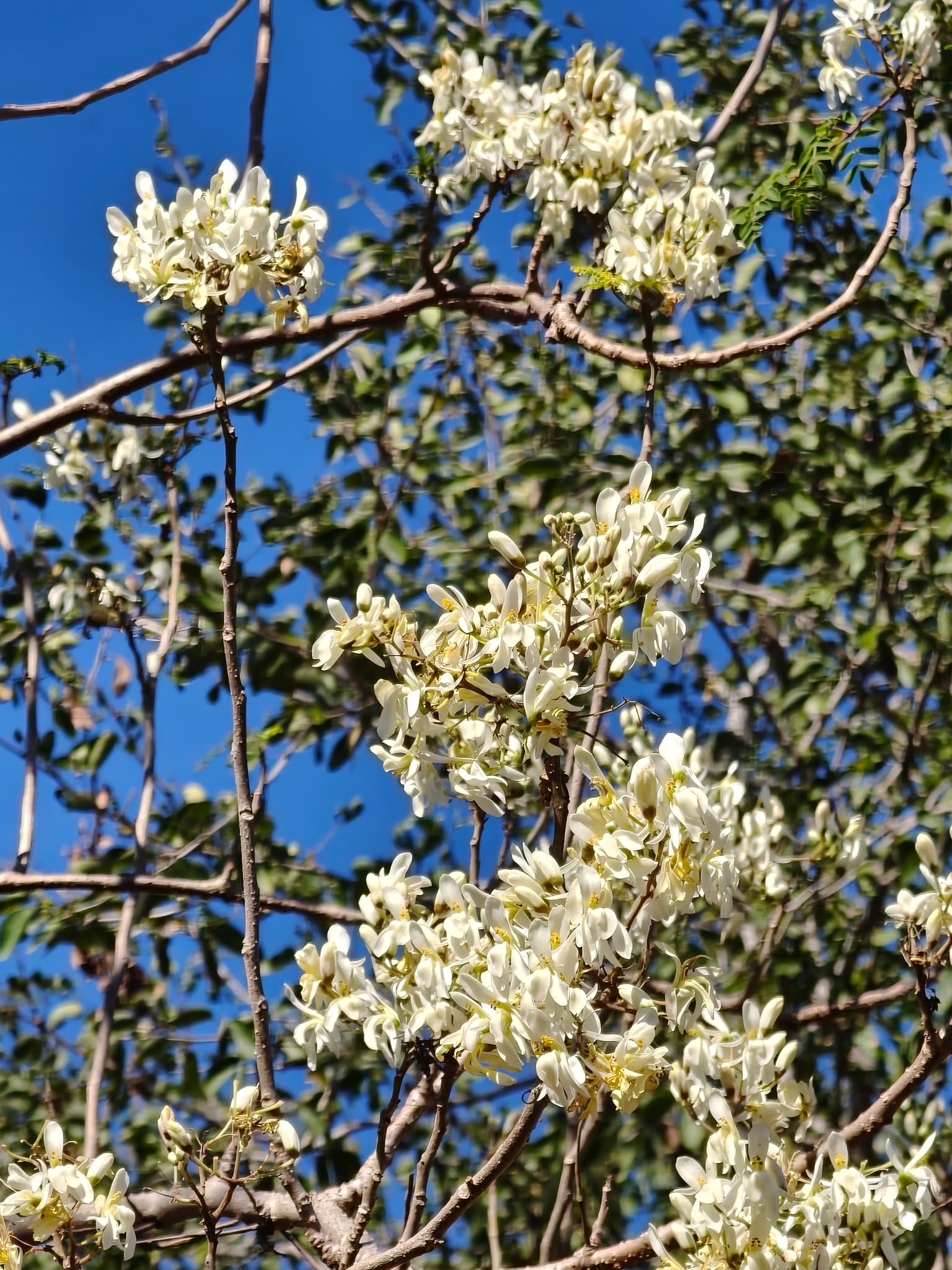
MoringaAfrican
In vitro and rodent studies confirm robust anti-inflammatory, cytoprotective, and antimicrobial activity. A 2021 randomised controlled trial (n=120) in type 2 diabetic patients found that 4 g/day of Moringa leaf powder over 12 weeks significantly reduced fasting blood glucose (−18%) and HbA1c (−0.7%). Antioxidant and hepatoprotective effects are consistently demonstrated in preclinical models; human clinical data are emerging.
Found In 1 Herb
3D Molecular Structure
Glucosinolate hydrolysis product
Drag to rotate · Click atoms to explore
Isothiocyanates (Moringin / 4-O-α-L-rhamnosyloxy-benzyl isothiocyanate)
Glucosinolate hydrolysis productBioactive phytochemical with therapeutic properties
Representative pattern: C₄H₂NO
Atoms
Carbon
Oxygen
Nitrogen
Hydrogen
Live Research
This information is for educational purposes only and does not constitute medical advice. Always consult a qualified healthcare practitioner before using any herbal product.
These statements have not been evaluated by the Food and Drug Administration. This product is not intended to diagnose, treat, cure, or prevent any disease. This content is for educational purposes only and is not a substitute for professional medical advice.