Loading…
Back to Compound Explorer
Indirubin
Clinical trialMechanism of Action
CDK2 inhibition; anti-leukemic via cell cycle arrest; anti-inflammatory through STAT3 inhibition
CDK2/cyclin E inhibition, GSK-3β inhibition, anti-leukemic, anti-inflammatory via AhR (aryl hydrocarbon receptor)
CDK inhibition (cyclin-dependent kinase); anti-inflammatory; antiviral; antileukaemic
Anti-inflammatory; CDK inhibition; anti-leukemic; antiviral via interferon induction
CDK inhibition, anti-leukemic, anti-inflammatory, antiviral
Research Notes
Indirubin gained clinical validation treating chronic myelogenous leukemia in the 1970s-80s with complete remission in a significant proportion of patients.
Historically used in CML treatment in China before imatinib era. CDK inhibition confirmed as mechanism. Anti-psoriatic effects via AhR activation — basis for topical psoriasis use.
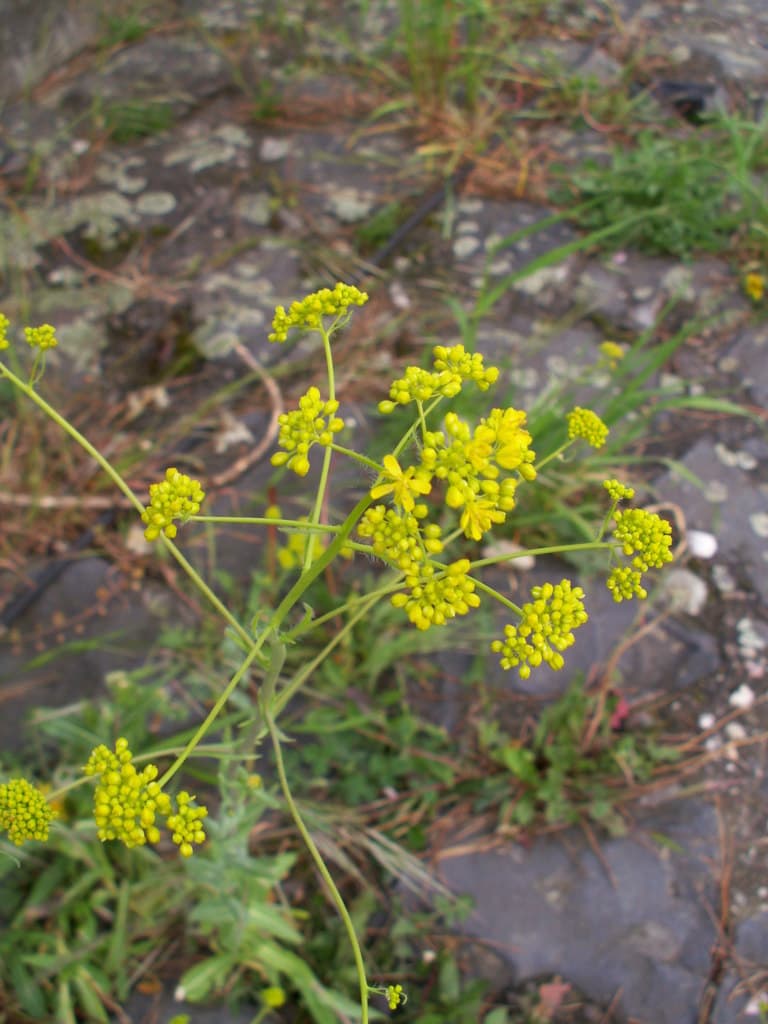
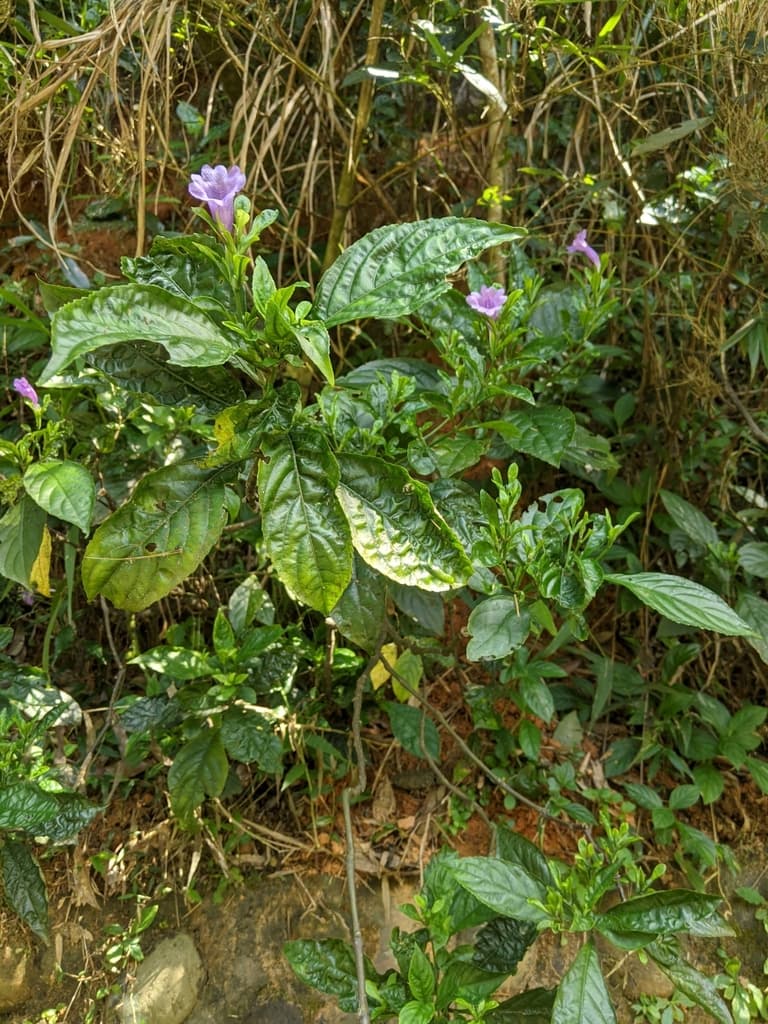
Isatis (Woad)Western
Used in traditional Chinese leukaemia treatment; indirubin and analogues are potent CDK2/GSK-3β inhibitors; synthetic analogues in clinical trials for CML and other cancers
Indirubin from Isatis leaf has anti-inflammatory and antiviral properties. Clinical use in China for respiratory viral infections and leukemia.
Antiviral activity against influenza, hepatitis, and SARS-CoV in vitro studies. Same compound as in Qing Dai but at lower concentration in root. Anti-inflammatory via multiple pathways.
Found In 5 Herbs


3D Molecular Structure
Bisindole (indole alkaloid)
Drag to rotate · Click atoms to explore
Indirubin
Bisindole (indole alkaloid)Nitrogen-containing compounds with potent pharmacological effects
Representative pattern: C₉H₇N₂O
Atoms
Nitrogen
Carbon
Hydrogen
Oxygen
Live Research
This information is for educational purposes only and does not constitute medical advice. Always consult a qualified healthcare practitioner before using any herbal product.
These statements have not been evaluated by the Food and Drug Administration. This product is not intended to diagnose, treat, cure, or prevent any disease. This content is for educational purposes only and is not a substitute for professional medical advice.